-
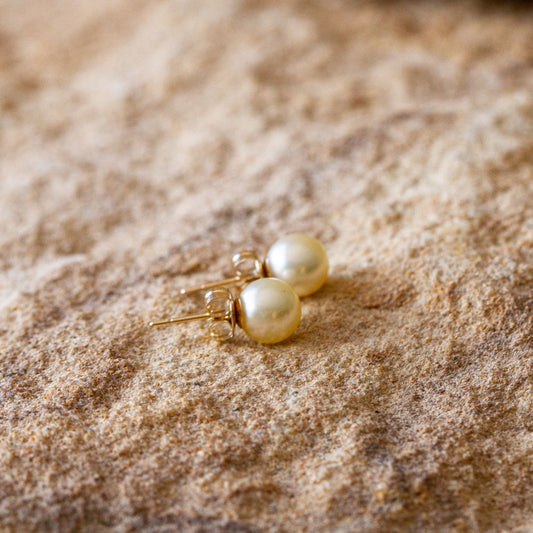
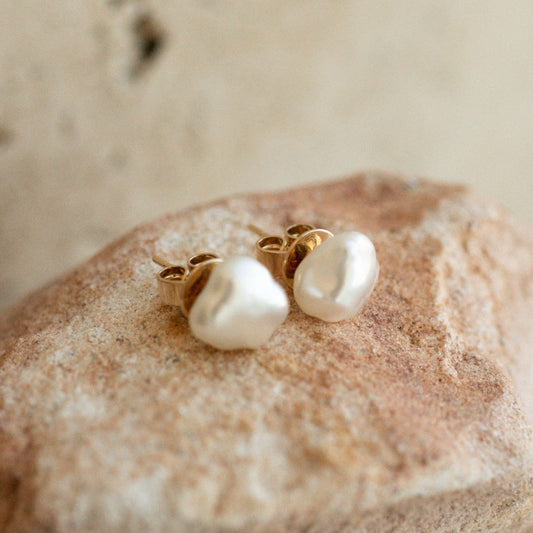
经典耳钉 澳大利亚南海 Cygnet Bay Keshi 8 毫米 18ct 黄金
常规价格 $1,560.00 AUD常规价格单价 / 单价促销价 $1,560.00 AUD -
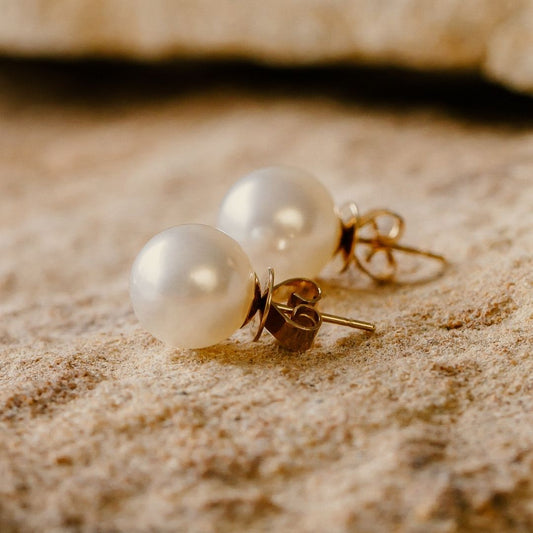
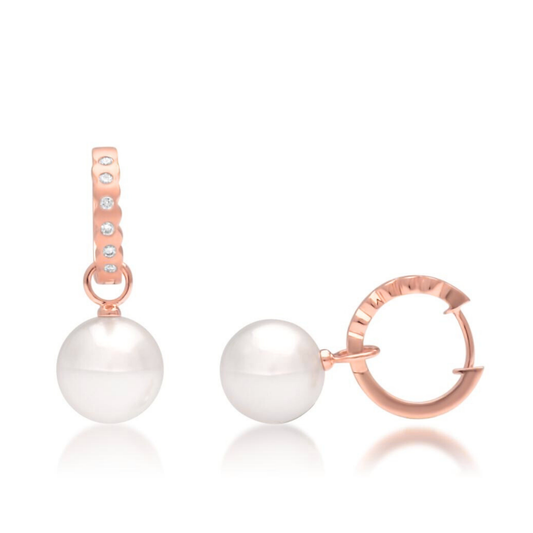
经典耳钉 澳大利亚南海小天鹅湾圆形 10.5 毫米 18ct 黄金
常规价格 来自 $1,890.00 AUD常规价格单价 / 单价促销价 来自 $1,890.00 AUD -
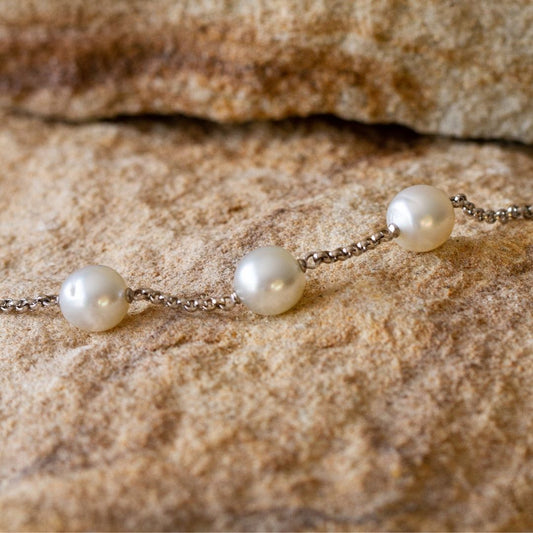
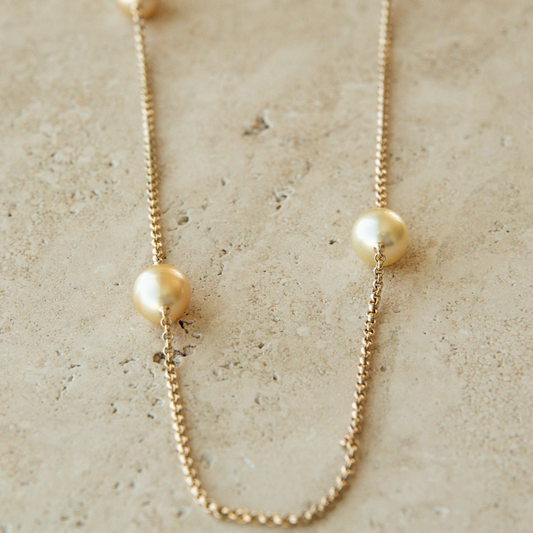
椰子手链 澳大利亚 南海 小天鹅湾 三滴 11.5 毫米 A3+
常规价格 $3,890.00 AUD常规价格单价 / 单价促销价 $3,890.00 AUD -
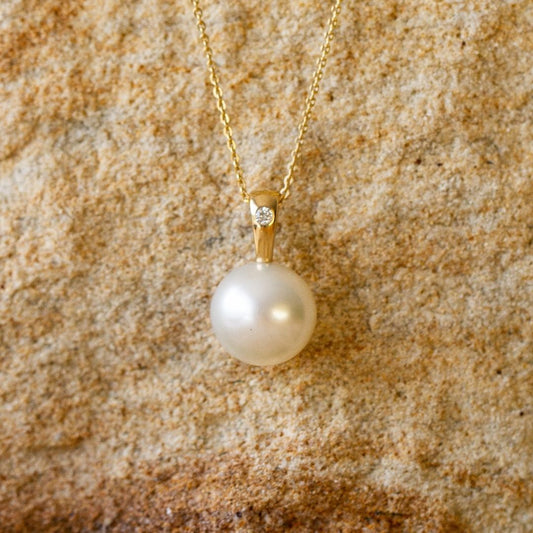
科科斯钻石吊坠澳大利亚南海小天鹅湾圆形 13 毫米 B1 钻石 0.05 克拉 H/SI 9 克拉黄金
常规价格 来自 $1,920.00 AUD常规价格单价 / 单价促销价 来自 $1,920.00 AUD -
Cocos Huggies 抛光澳大利亚南海 Cygnet Bay 圆形 11 毫米 A3 钻石 12=0.18 克拉 H/SI
常规价格 $4,510.00 AUD常规价格单价 / 单价促销价 $4,510.00 AUD售罄 -
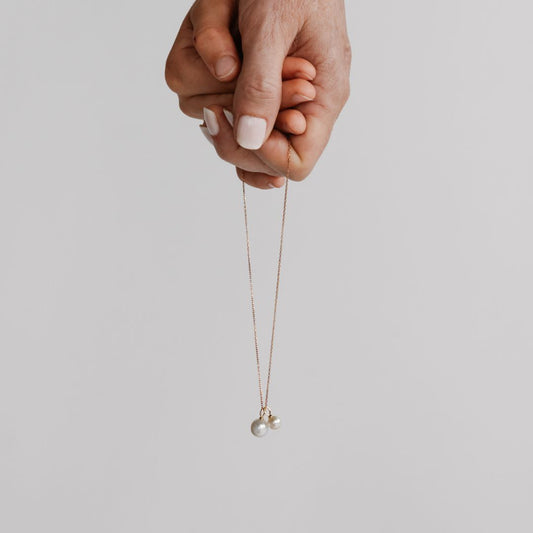
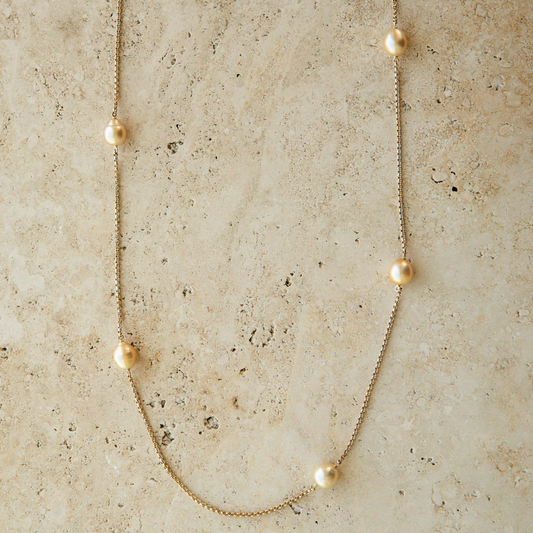
Cocos Necklace Australian South Sea Cygnet Bay Five Drop 11.5mm A3/B1 50cm 9ct Yellow Gold
常规价格 $4,990.00 AUD常规价格单价 / 单价促销价 $4,990.00 AUD -
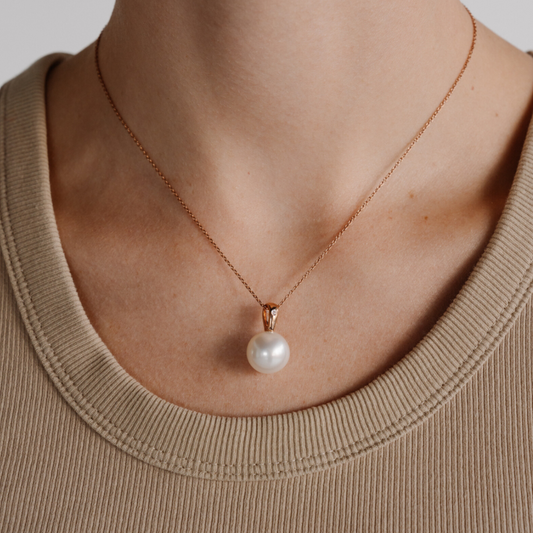
可可吊坠 澳大利亚南海小天鹅湾圆形 12 毫米 B1 9ct 玫瑰金
常规价格 来自 $1,260.00 AUD常规价格单价 / 单价促销价 来自 $1,260.00 AUD -
科科斯戒指澳大利亚南海小天鹅湾圆形 10.5 毫米 A2 #M 9ct 黄金
常规价格 来自 $2,040.00 AUD常规价格单价 / 单价促销价 来自 $2,040.00 AUD -
椰子链手链澳大利亚南海小天鹅湾 12x 坠 11 毫米 A2/B1+ 22.5 厘米 9ct 白金
常规价格 $9,550.00 AUD常规价格单价 / 单价促销价 $9,550.00 AUD -
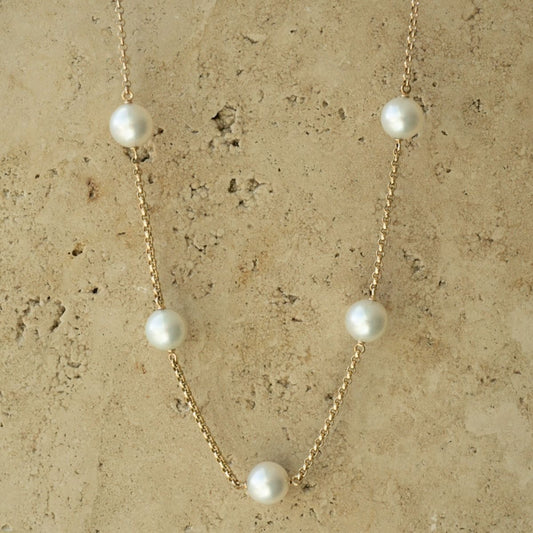
漂流项链澳大利亚南海小天鹅湾圆形 10.5 毫米 A3 9ct 黄金
常规价格 $1,580.00 AUD常规价格单价 / 单价促销价 $1,580.00 AUD -
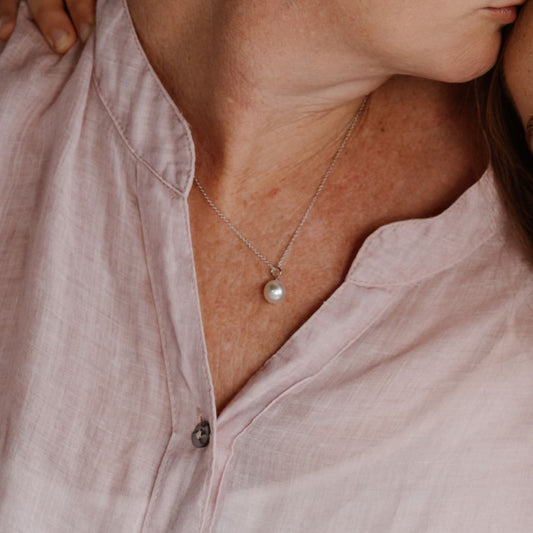
Ebb Pendant Australian South Sea Cygnet Bay Near Round 11.5mm B2
常规价格 $550.00 AUD常规价格单价 / 单价促销价 $550.00 AUD -
Ebb Signet Ring Australian South Sea Cygnet Bay Mother of Pearl Gold Vermeil Sterling Silver
常规价格 $320.00 AUD常规价格单价 / 单价促销价 $320.00 AUD -
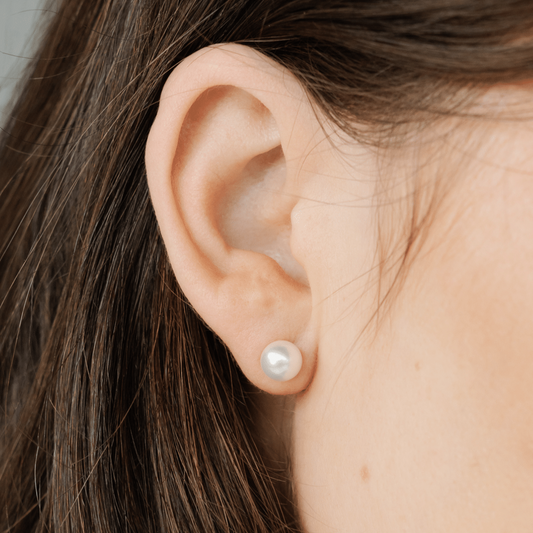
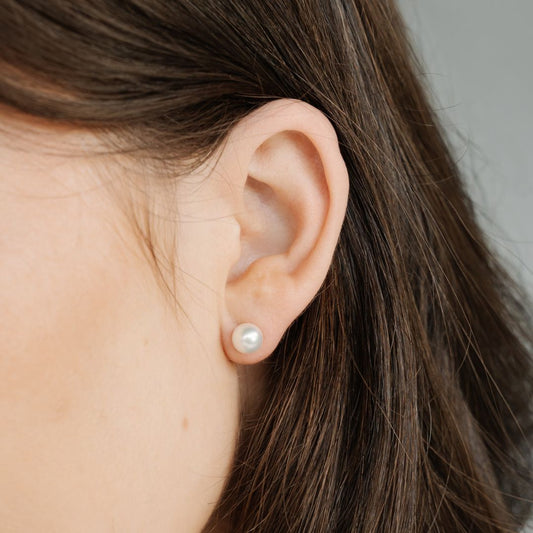
Ebb Studs Australian Akoya Broken Bay 7mm AA
常规价格 $320.00 AUD常规价格单价 / 单价促销价 $320.00 AUD -
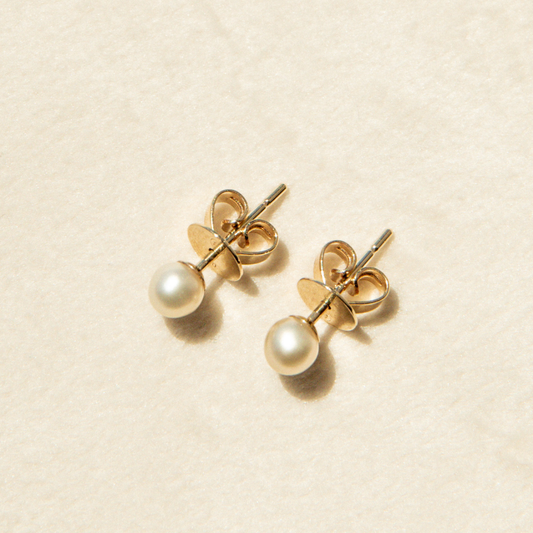
Ebb Studs Australian South Sea Cygnet Bay Mother of Pearl
常规价格 $300.00 AUD常规价格单价 / 单价促销价 $300.00 AUD -
Ebb Studs Australian South Sea Cygnet Bay Near Round 11mm B2
常规价格 $890.00 AUD常规价格单价 / 单价促销价 $890.00 AUD
可折叠内容
What are different types of pearls?
Pearls come in many types and varieties, each shapes by the pearl species, water conditions, and environment in which they grow.
Understanding pearl types helps you identify the qualities that make each one unique.
The most well-known include:
South Sea pearls: Grown in Australia (like at our Cygnet Bay Pearl Farm), Indonesia, and the Philippines, these are some of the largest and rarest pearls in the world. Their thick nacre and stunning lustre make them highly prized by collectors.
Akoya pearls: Cultivated mainly in Japan and Australia, like our Broken Bay Pearl Farm, Akoya pearls are known for their mirror-like lustre and variety of colours. They're the classic choice for Akoya pearl stud earrings and other refined akoya pearl jewellery.
Tahitian pearls: Produce by the Black Lip Pearl Oyster, these pearl display natural dark hues ranging from charcoal to peacock green.
Freshwater pearls: Grown primarily in lakes and rivers, they come in a wide range of shapes and colours. When comparing the difference between Akoya and freshwater pearls, Akoya pearls are saltwater pearls with typically better lustre, while freshwater pearls provide variety and affordability.
Keshi pearls: Formed with no nucleus, as a by-product of the cultured pearl farming process, keshi pearls re known for their organic shapes and beautiful nacre. They are considered one of the more rare types of pearls.
Mabe pearls: A type of half-pearl grown against the shell interior, ideal for bold rings and earrings.
Each pearl type has its own story and value. To learn more about pearls, visit our Pearls of Wisdom article.
What pearl types do luxury jewellery brands use most often?
Luxury jewellers favour pearls with exceptional lustre and rarity.
This is why South Sea pearls, Akoya pearls, and Tahitian pearls dominate the collections of premium jewellery brands.
South Sea pearls are celebrated for their size, natural colours and thick nacre, making them the centre piece for high jewellery designs.
Akoya pearls are the classic choice for refined strands and earrings. Their reflective lustre makes them ideal for timeless pieces.
Tahitian pearls bring bold, naturally dark tones to contemporary and statement pieces.
Some brands and collectors also seek out Keshi pearls and Mabe pearls for their organic beauty and artistic appeal. In Australia, many luxury jewellers turn to South Sea pearls from the Kimberley region, widely recognised for their extraordinary quality and sustainability. Their rarity places them among the most valuable pearls in the world.
How do South Sea pearls differ from Akoya pearls?
- Among the largest cultured pearls worldwide
- Grown within the Pinctada maxima pearl shell
- Thick nacre, giving them a soft, elegant glow
- Cultivated at our Cygnet Bay Pearl Farm in Western Australia
- Rarer and often more valuable due to their longer cultivation times
- Ideal for statement pieces and heirloom jewellery
- Smaller, and high in lustre
- Grown within the Pinctada fucata pearl shell
- Traditionaly cultivated in Japan, and also in Broken Bay Pearl Farm (NSW)
- A favourite for classic strands and everyday Akoya pearl jewellery
- More accessible in price compared to South Sea pearls, making them perfect for gifting
In short, South Sea pearls embody larger size and whiter tones while Akoya pearls offer a variety of colours and intense lustre. Both are saltwater pearls, but the species and environments to cultivate these pearls are different.