珍珠种类
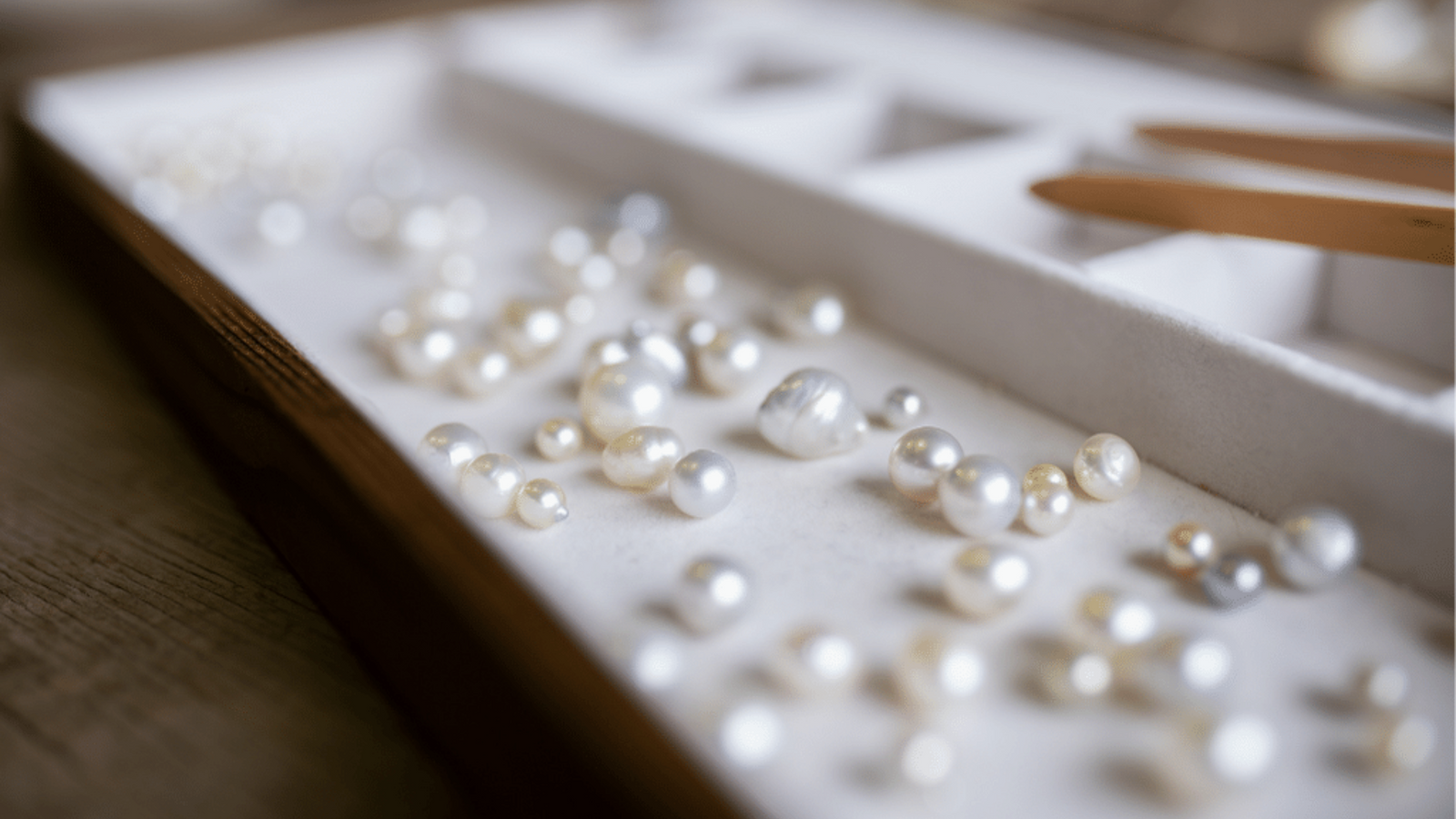
我们自豪地在澳大利亚珍珠园培育了两种独特的珍珠品种。
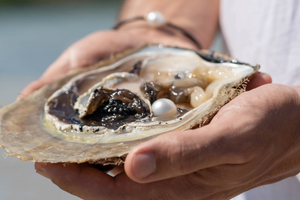
大珠母贝- 生长在我们小天鹅湾珍珠养殖场的金伯利水域,这种珍珠贝可产出大颗、有光泽的澳大利亚南海珍珠,以其尺寸和缎子般的表面而闻名。
Pintacta fucata - 生长在我们布罗肯湾珍珠农场的霍克斯伯里河中,该物种产出精美的澳大利亚阿古屋珍珠,因其形状、惊人的光泽和丰富多彩的色彩而备受珍视。
-
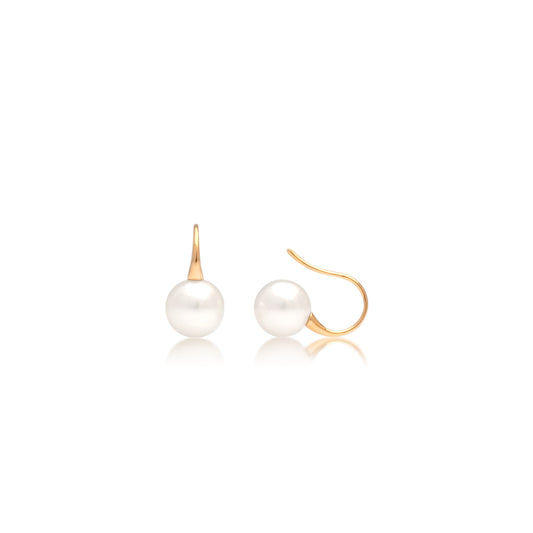
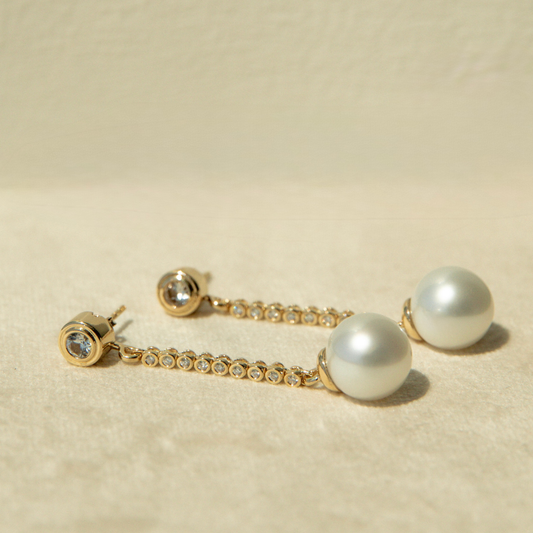
Acacia Hooks Australian South Sea Cygnet Bay Drop 9.5mm B1 9ct Yellow Gold
常规价格 来自 $890.00 AUD常规价格单价 / 单价促销价 来自 $890.00 AUD -
Acacia Hooks Australian South Sea Cygnet Bay Round 10.5mm B1
常规价格 来自 $1,950.00 AUD常规价格单价 / 单价促销价 来自 $1,950.00 AUD -
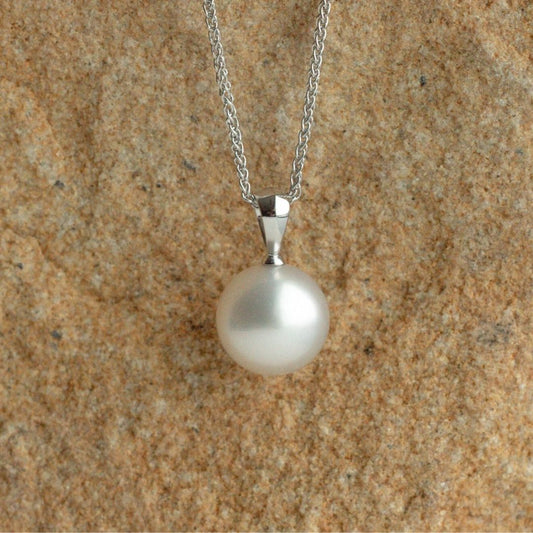
金合欢吊坠 澳大利亚南海小天鹅湾吊坠 10.5 毫米 A3
常规价格 来自 $685.00 AUD常规价格单价 / 单价促销价 来自 $685.00 AUD -
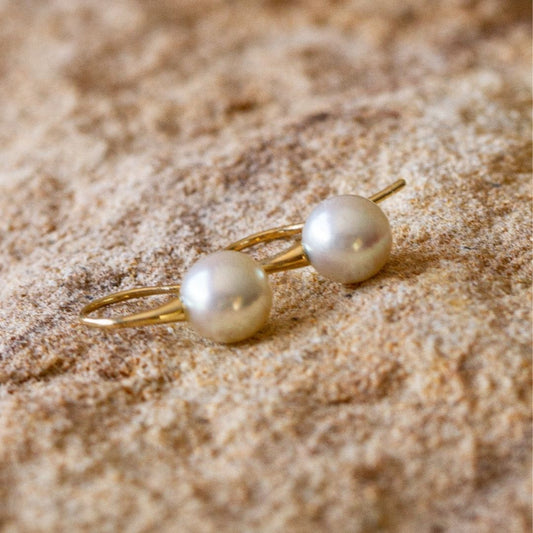
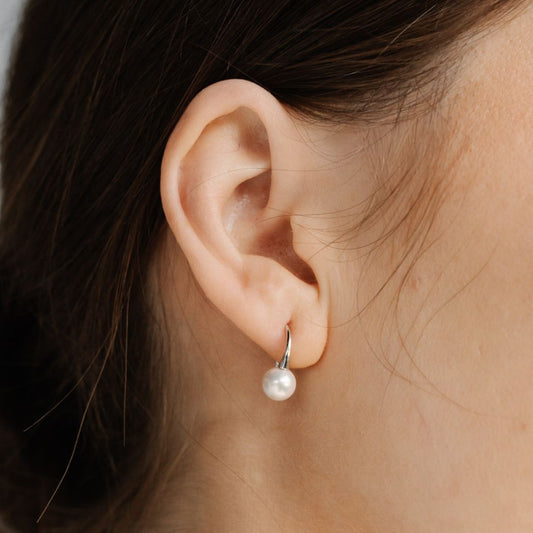
Acacia Petite 鱼钩 澳大利亚 Akoya Broken Bay 7 毫米 AAA
常规价格 来自 $520.00 AUD常规价格单价 / 单价促销价 来自 $520.00 AUD -
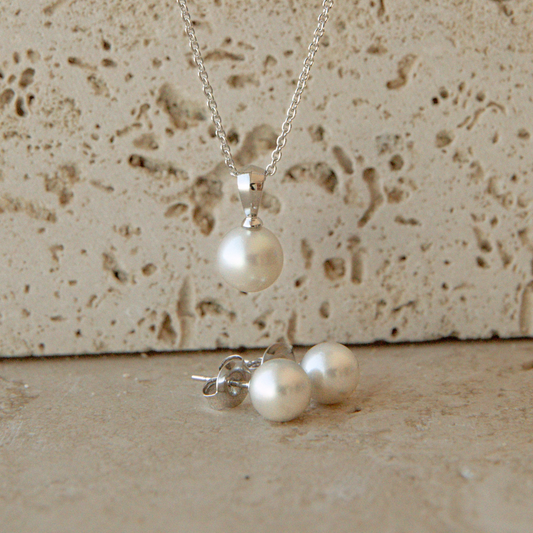
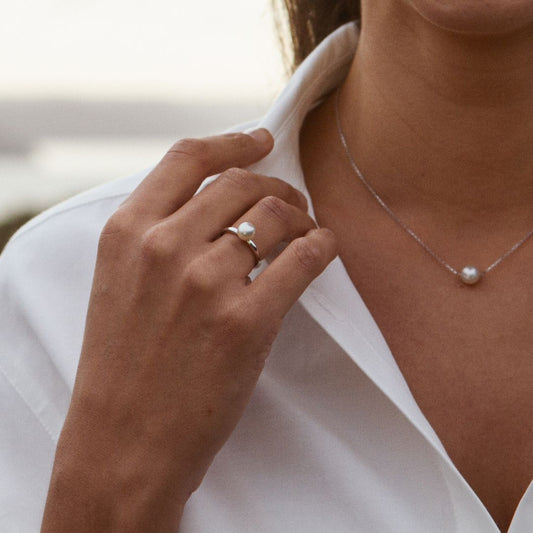
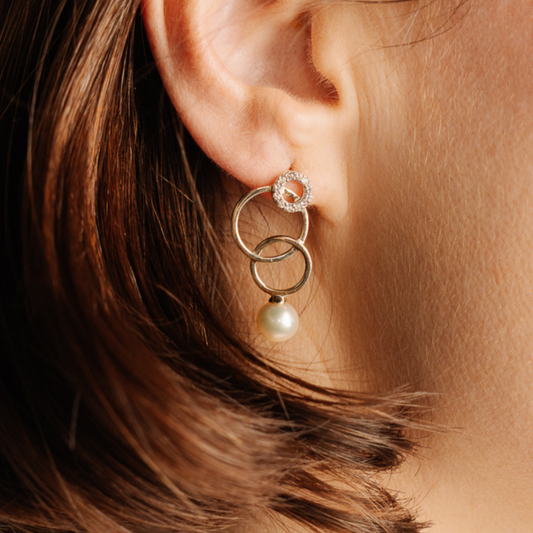
Acacia 小型吊坠和耳钉 澳大利亚 Akoya Broken Bay 7 毫米 AA 纯银
常规价格 $510.00 AUD常规价格单价 / 单价促销价 $510.00 AUD -
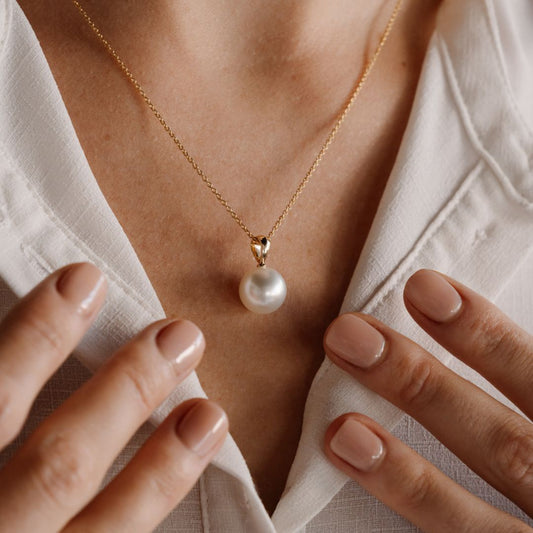
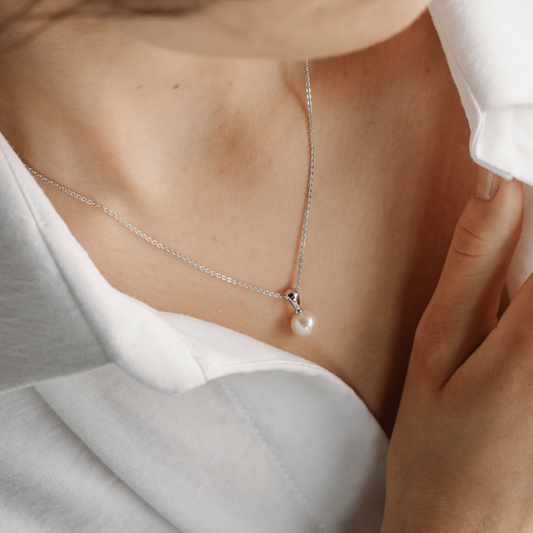
Acacia 小巧吊坠 澳大利亚 Akoya Broken Bay 7.5 毫米 AAA 9ct 白金
常规价格 来自 $330.00 AUD常规价格单价 / 单价促销价 来自 $330.00 AUD -
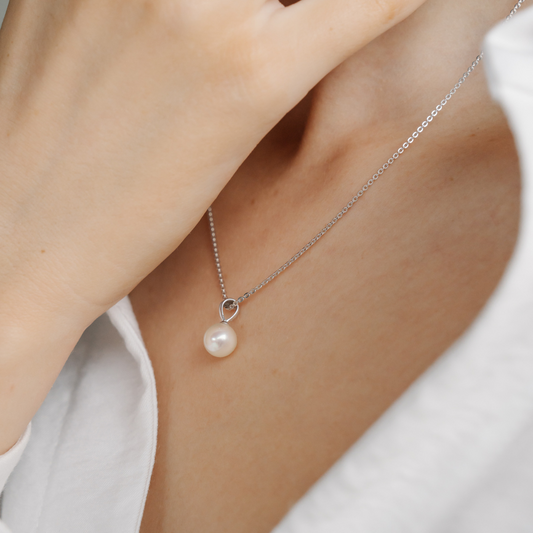
Acacia 小型吊坠 澳大利亚 Akoya Broken Bay 7 毫米 AA 纯银
常规价格 $190.00 AUD常规价格单价 / 单价促销价 $190.00 AUD -
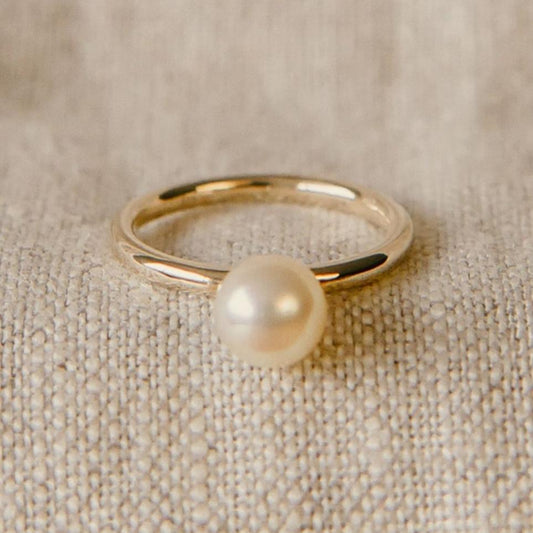
Acacia Petite 戒指 澳大利亚 Akoya Broken Bay 7 毫米 AAA
常规价格 来自 $660.00 AUD常规价格单价 / 单价促销价 来自 $660.00 AUD -
Baileyana Studs Australian South Sea Cygnet Bay Round 11.5mm A2+ White Sapphire 2=0.60ct & White Diamonds 18=0.24ct 9ct Yellow Gold
常规价格 $6,450.00 AUD常规价格单价 / 单价促销价 $6,450.00 AUD -
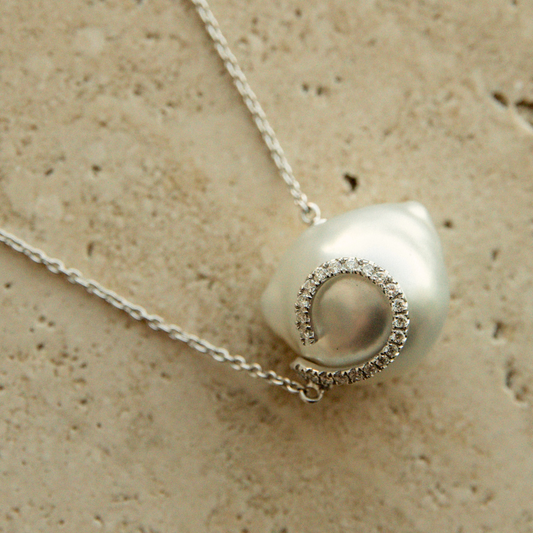
Baroque Necklace 16mm A1+ 18ct White Gold Diamonds 22=0.21ct H/SI
常规价格 $7,610.00 AUD常规价格单价 / 单价促销价 $7,610.00 AUD -
-
Button Mother of Pearl Bracelet
常规价格 来自 $340.00 AUD常规价格单价 / 单价促销价 来自 $340.00 AUD -
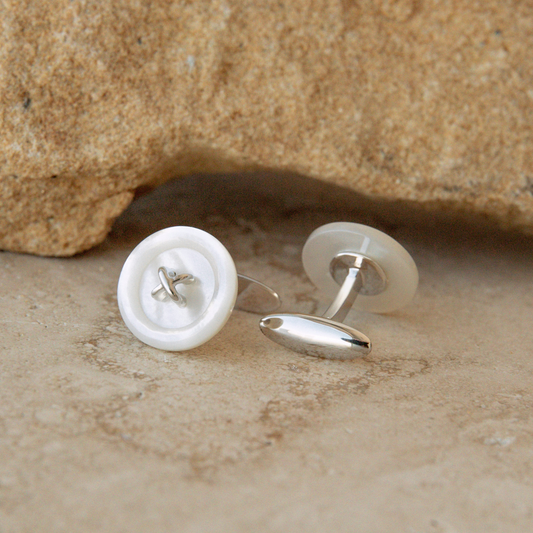
Button Mother of Pearl Cufflinks
常规价格 来自 $450.00 AUD常规价格单价 / 单价促销价 来自 $450.00 AUD -
Button Mother of Pearl Necklace with Chain 9ct Yellow Gold
常规价格 $910.00 AUD常规价格单价 / 单价促销价 $910.00 AUD售罄 -
Button Mother of Pearl Silk Bracelet
常规价格 来自 $280.00 AUD常规价格单价 / 单价促销价 来自 $280.00 AUD
可折叠内容
珍珠是如何养殖的?
珍珠的培育方法是将供体牡蛎的一小块外套膜组织插入寄主牡蛎的外套膜组织中。寄主牡蛎随后被放置在农场或泻湖中,在那里被精心照料,直到珍珠长大成熟,这可能需要长达两年的时间。然后收获珍珠,并根据其大小、形状、颜色和质量进行分类。与其他类型的珍珠相比,海水珍珠的培育过程更复杂、更耗时,这也是海水珍珠价值更高的原因之一。
海水珍珠是否可持续且合乎道德?
海水珍珠养殖通常被认为是可持续且合乎道德的。珍珠养殖场通常与环境和谐相处,采用环保的养殖方式,为当地经济做出贡献。然而,重要的是要选择来自信誉良好、遵守道德和环境标准的海水珍珠首饰,并避免购买通过非法或不道德手段获得的珍珠。
How can you tell if a pearl is high quality?
There are several factors to consider when evaluating the quality of a pearl, including its lustre, surface quality, size, shape, and colour. High quality pearls will have a bright, reflective lustre and few surface imperfections. They will also be relatively uniform in size and shape, with a round or near-round shape being the most highly valued.
What's the difference between Pinctada maxima and Pinctada fucata pearls?
Pinctada maxima is the larger of the two pearl shell species, grown at Cygnet Bay Pearl Farm, and produces the large and rare Australian South Sea pearl. Pincatada fucata is smaller, produces the Australian Akoya pearl and are grown at our Broken Bay Pearl Farm. Together, the two pearl species give you access to our range of Saltwater Australian-grown pearls.
How many pearl species does Pearls of Australia grow?
We cultivate two pearl species: Pinctada maxima, grown at our Cygnet Bay Pearl Farm which produces the Australian South Sea pearl and the Pinctada fucata, grown at our Broken Bay Pearl Farm and produces the Australian Akoya pearl.
Growing both pearl species across two separate pearl farms lets us offer the full spectrum of Australian Saltwater pearls, all single-origin and farm direct.
Comparing pearl varieties: Keshi, Mabe & Mother of Pearl
Beyond traditional round and drop shaped Australian South Sea and Akoya pearls, peral shell can produce a number of distinctive natural formations and materials that offer completely different textures, shapes and jewellery possibilities.
Keshi pearls are unnucleated pearls formed entirely from nature. Without a round nucleus determining their shape, Keshi pearls develop organically, resulting in highly individual forms and beautiful lustre. Because they are composed of 100% nacre, no two Keshi pearls are ever the same.
Mabe pearls, also known as blister pearls, are cultivated against the inner shell of the pearl shell. This produces their hemispherical shape and flatter side, making Mabe pearls particularly well suited to earrings, rings, and pendants that sit comfortably against the wearer.
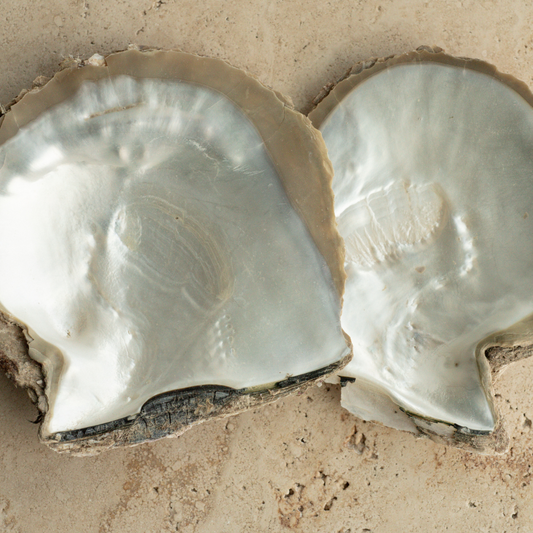
Mother of Pearl refers to the nacre lining of the pearl shell itself. Carefully cut and polished, Mother of Pearl can be used for jewellery, cufflinks, inlays and other accessories, showcasing the same naturally iridescent material responsible for forming a pearl.
Together, Keshi pearls, Mabe pearls and Mother of Pearl demonstrate just how diverse pearl-producing pearl species can be beyond the classic round pearl.
How to choose the right pearl species for your style
Understanding the different Australian pearl species and types of pearl can help you choose a piece that suits your style.
Australian South Sea pearls are generally larger, often beginning around 10mm and reaching 15mm or more. Their stunning lustre and cale make them particularly suited to statement jewellery and gifting for milestone moments.
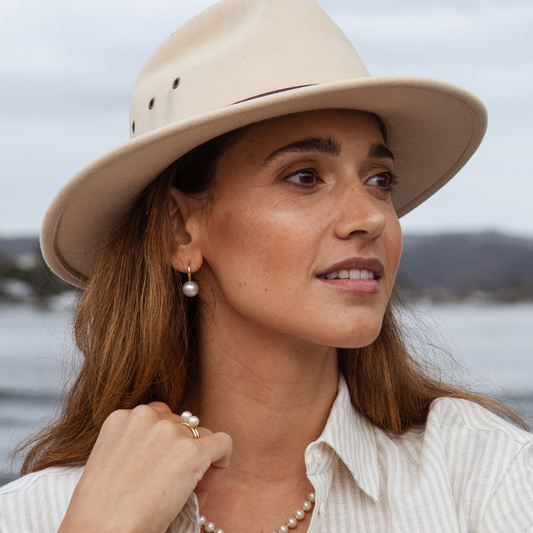
Australian Akoya pearls are typically smaller, around 6-9mm, with a bright lustre. Their refined proportions make them ideal for classic pearl studs, delicate pendants and jewellery designed for everyday wear.
Keshi pearls offer something more organic and individual, with free-form shapes that lend themselves to contemporary designs.
Mabe pearls provide a larger visual presence while sitting relatively flush against the body, making them an accessible way to wear a statement pearl.
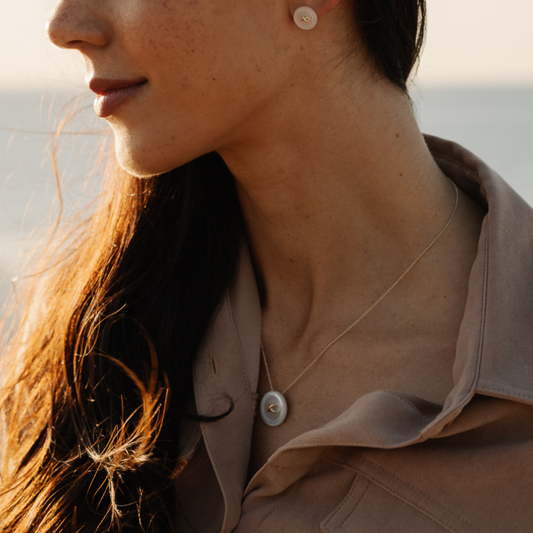
There is no single "best" pearl type, each offers a different balance of size, shape, lustre and personality. Explore our Choosing Your Pearl guide to learn more about selecting the right pearl for you.