-
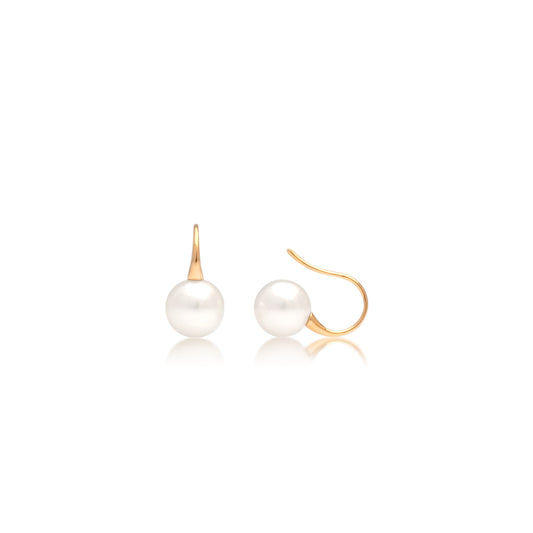
Acacia Hooks Australian South Sea Cygnet Bay Drop 9.5mm B1 9ct Yellow Gold
常规价格 来自 $890.00 AUD常规价格单价 / 单价促销价 来自 $890.00 AUD -
Acacia Hooks Australian South Sea Cygnet Bay Round 10.5mm B1
常规价格 来自 $1,860.00 AUD常规价格单价 / 单价促销价 来自 $1,860.00 AUD -
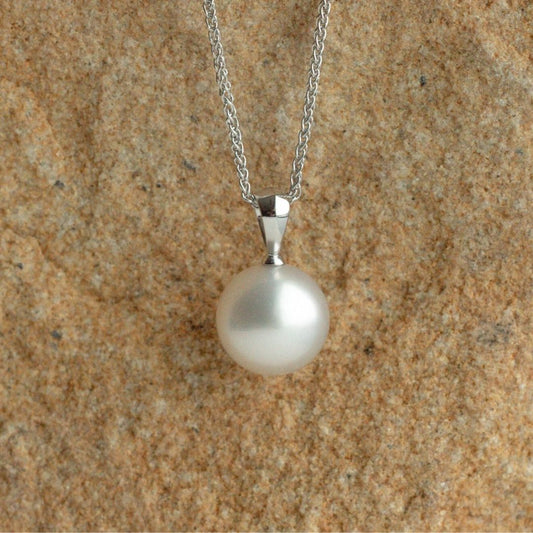
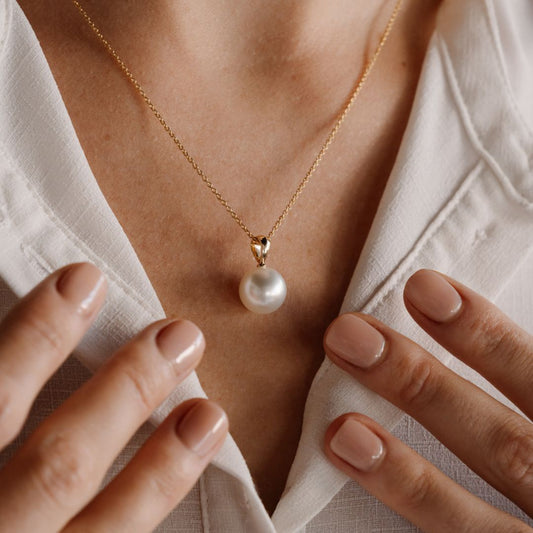
金合欢吊坠 澳大利亚南海小天鹅湾吊坠 10.5 毫米 A3
常规价格 来自 $610.00 AUD常规价格单价 / 单价促销价 来自 $610.00 AUD -
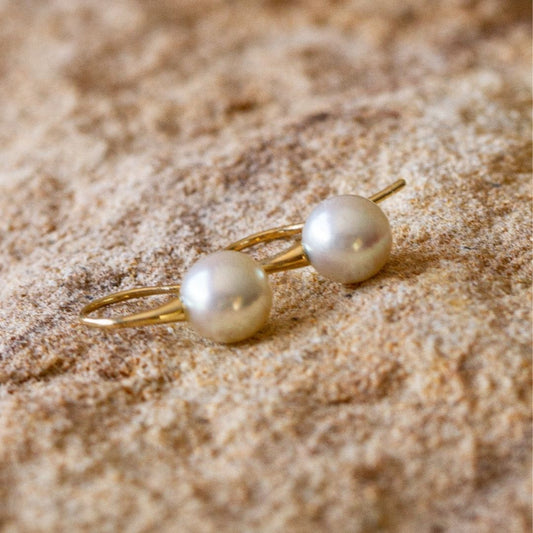
Acacia Petite 鱼钩 澳大利亚 Akoya Broken Bay 7 毫米 AAA
常规价格 来自 $520.00 AUD常规价格单价 / 单价促销价 来自 $520.00 AUD -
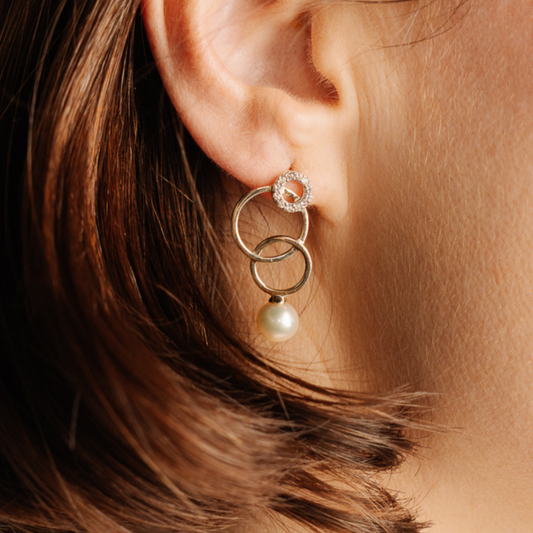
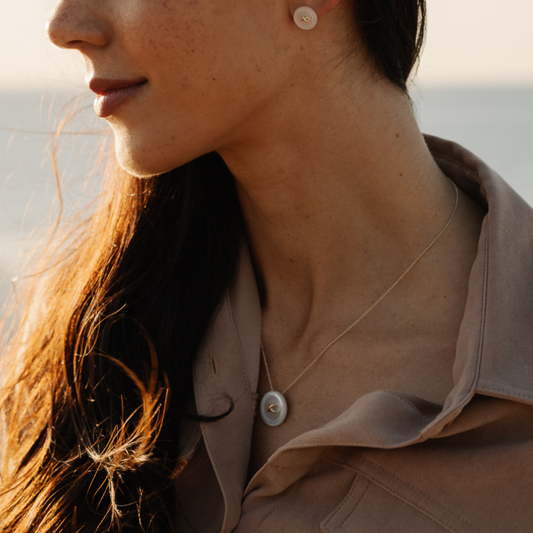
Acacia 小型吊坠和耳钉 澳大利亚 Akoya Broken Bay 7 毫米 AA 纯银
常规价格 $500.00 AUD常规价格单价 / 单价促销价 $500.00 AUD -
Acacia 小巧吊坠 澳大利亚 Akoya Broken Bay 7.5 毫米 AAA 9ct 白金
常规价格 来自 $330.00 AUD常规价格单价 / 单价促销价 来自 $330.00 AUD -
Acacia 小型吊坠 澳大利亚 Akoya Broken Bay 7 毫米 AA 纯银
常规价格 $190.00 AUD常规价格单价 / 单价促销价 $190.00 AUD -
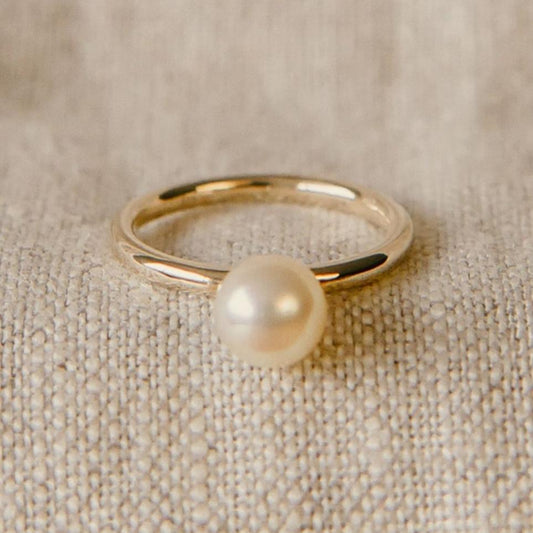
Acacia Petite 戒指 澳大利亚 Akoya Broken Bay 7 毫米 AAA
常规价格 来自 $660.00 AUD常规价格单价 / 单价促销价 来自 $660.00 AUD -
Baileyana Studs Australian South Sea Cygnet Bay Round 11.5mm A2+ White Sapphire 2=0.60ct & White Diamonds 18=0.24ct 9ct Yellow Gold
常规价格 $6,450.00 AUD常规价格单价 / 单价促销价 $6,450.00 AUD -
班克西亚钻石吊坠澳大利亚南海天鹅湾圆形 13 毫米 A1 钻石 17=0.15 克拉 H/SI
常规价格 $5,760.00 AUD常规价格单价 / 单价促销价 $5,760.00 AUD -
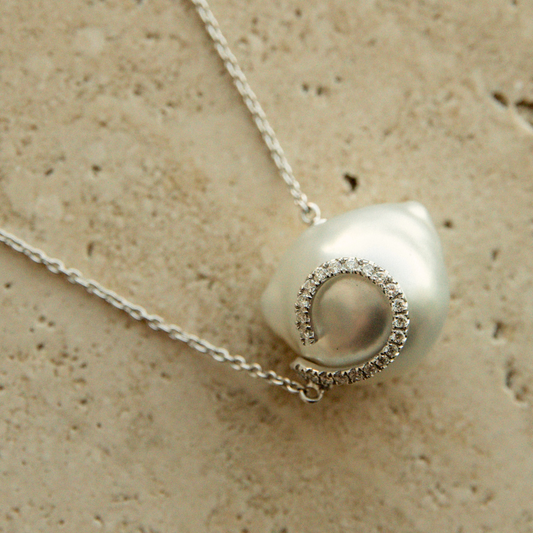
Banksia Pendant Australian South Sea Cygnet Bay Drop 11mm A1 9ct White Gold
常规价格 $1,530.00 AUD常规价格单价 / 单价促销价 $1,530.00 AUD -
Banksia Pendant Australian South Sea Cygnet Bay Round 12mm A1 18ct Yellow Gold
常规价格 $4,480.00 AUD常规价格单价 / 单价促销价 $4,480.00 AUD -
巴洛克项链 15 毫米 A1+ 18ct 白金钻石 16=0.14ct H/SI
常规价格 $6,200.00 AUD常规价格单价 / 单价促销价 $6,200.00 AUD -
Baroque Necklace 16mm A1+ 18ct White Gold Diamonds 22=0.21ct H/SI
常规价格 $7,610.00 AUD常规价格单价 / 单价促销价 $7,610.00 AUD -
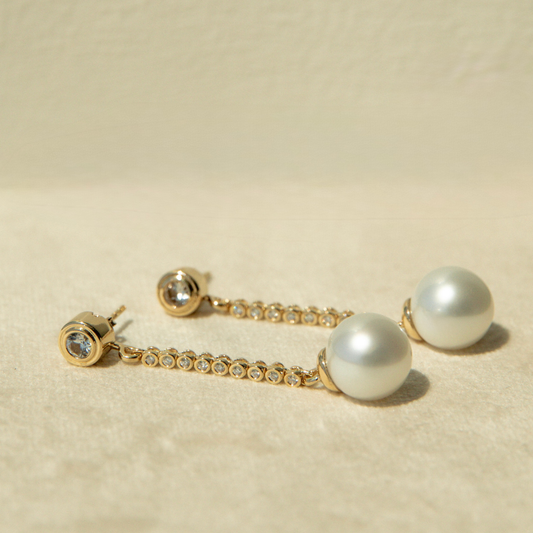
Briolette Hooks Australian South Sea Cygnet Bay Round 11.5mm A2 Topaz 2=5.42ct 9ct Yellow Gold
常规价格 $3,850.00 AUD常规价格单价 / 单价促销价 $3,850.00 AUD -
吊饰 澳大利亚 Akoya Broken Bay 7 毫米 AA 9ct 黄金
常规价格 来自 $170.00 AUD常规价格单价 / 单价促销价 来自 $170.00 AUD
可折叠内容
Are pearls grown at your pearl farms sustainable and ethical?
The cultivation of our South Sea and Akoya pearls are typically considered to be sustainable and ethical. Pearl farms are often operated in harmony with the environment, using eco-friendly farming practices and contributing to the local economy.
However, it is important to choose pearl jewellery, like from reputable sources that adhere to ethical and environmental standards, and to avoid purchasing pearls that have been obtained through illegal or unethical means.
Where do cultured pearls come from?
Cultured pearls are grown on pearl farms around the world, where skilled pearlers work with oysters to nurture pearls over several years.
While pearls form naturally, cultured pearls are created through responsible cultivation, carefully placing a nucleus inside the oyster and allowing it to coat the nucleus with layers of nacre.
Global pearl production spans many regions. You'll find pearl farms in Japan producing Akoya pearls, pearl farms in the Philippines cultivating warm-tones pearls, pearl farms in Indonesia cultivating golden pearls, and pearl farms in French Polynesia renowned for their naturally dark Tahitian pearls. There are also extensive pearl farms in China, responsible for most of the world's freshwater pearls.
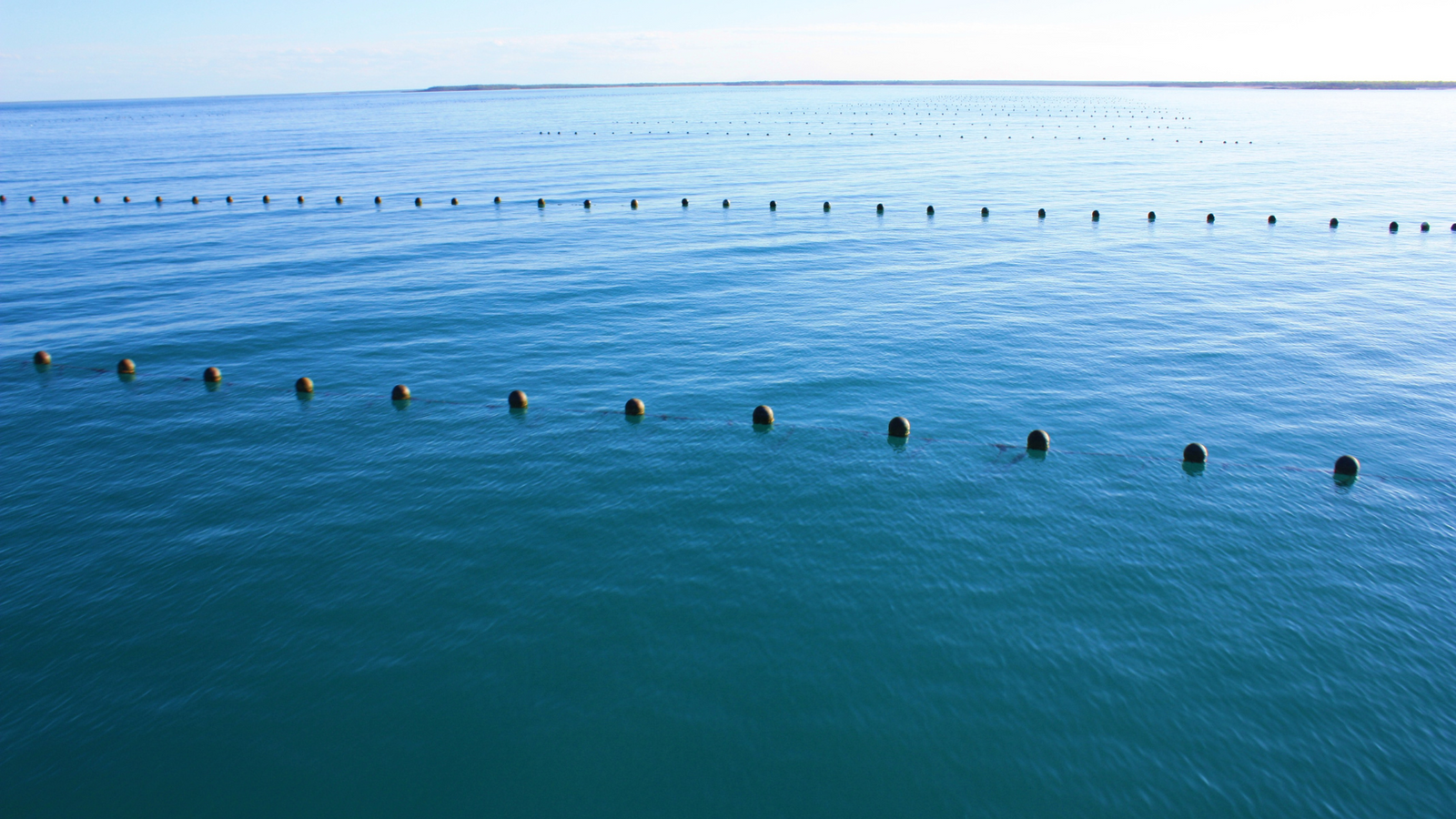
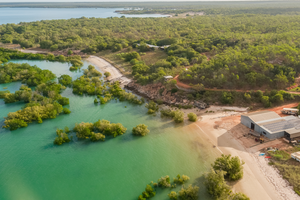
In Australia, cultured pearls are grown in some of the most pristine marine environments on the planet. Our Cygnet Bay Pearl Farm on the Dampier Peninsula of Western Australia, just north of Broome, produce the rare Australian South Sea pearl - the largest and most highly sought-after pearl variety.
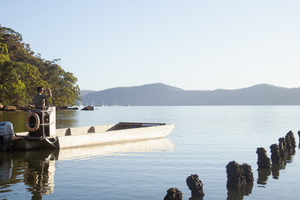
On the east coast of Australia, Broken Bay Pearl Farm cultivates premium Akoya pearls in the stunning waters of the lower Hawkesbury River.
Wherever they are grown, our cultured pearls reflect the care taken to cultivate these precious gems within our Australian pearl farms.
What is pearl farming?
Pearl farming is the art and science of cultivating pearls through responsible marine aquaculture. It begins with the careful cultivation and care of our pearl shell at our Broken Bay and Cygnet Bay pearl farms.
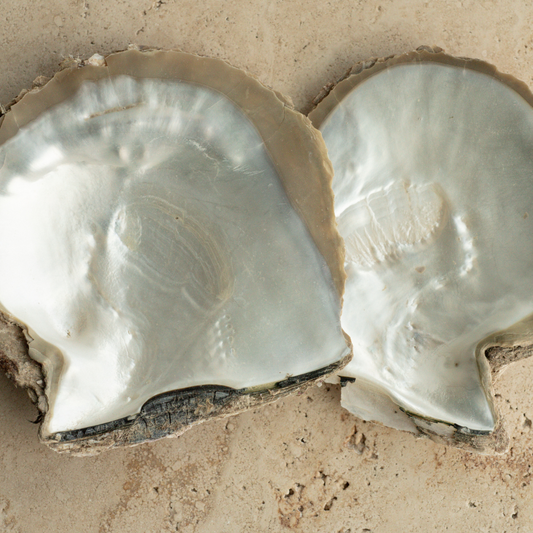
A skilled pearl technician gently places a nucleus within the pearl shell, kickstarting the process of nacre formation. Over years, the oyster coats the nucleus with layer upon layer of nacre, eventually forming a saltwater pearl.
Modern pearl farms in Western Australia and New South Wales, like those in Broome, the Kimberleys and on the Central Coast, use generations of knowledge to support the health of the pearl shell, monitoring water quality, tides, and environmental conditions that could impact the quality of the pearls.
At Pearls of Australia, pearl farming is a partnership between our people and our planet. Every pearl harvested represents years of dedication, patience and care, making Australian-grown saltwater pearls some of the rarest and most sought-after in the world.
How Australian Pearl Farms Differ from International Pearl Farms
Australian pearl farms are recognised globally for their pristine marine environments, ethical practices and commitment to quality at every stage. Unlike many international operations, Australian pearl farms, especially like our in the Kimberley region, operate in clean, biodiverse waterways with minimal pollution and human impact. This environment allows our pearl shell to grow in harmony with our planet, producing pearls high in lustre and beautiful, natural colours.
Australia's pearl culture is also shaped by high standards and a long history of innovation. From careful shell selection and husbandry to precision harvesting techniques, Australian pearl farmers prioritise both sustainable practices and the health of their ecosystem. This stewardship results in pearls that are not only beautiful but also traceable and responsibly sourced, a premium value for discerning buyers.
Where some international pearl farms focus on volume, Australian pearl farms like our Cygnet Bay and Broken Bay pearl farms focus on quality, provenance and environmental integrity. This difference is reflected in the quality of our pearls.
The Pearl Cultivation Process Explained
Pearl cultivation is a remarkable blend of nature and careful human care, a process that transforms a tiny bead of potential into a timeless gemstone. Here's how it unfolds at our pearl farms:
- Oyster Selection: Healthy oysters with strong genetics and ideal shell conditions are chosen to maximise the likelihood of producing high-quality pearls. Our Cygnet Bay and Broken Bay pearl farms both have hatcheries where our pearl shell are carefully grown from spat.
- Nucleation: A skilled technician implants a small nucleus and a piece of donor mantle tissue into the oyster. This triggers the oyster's natural defense response, beginning the formation of nacre layers around the nucleus.
- Growth & Care: The oysters are suspended in pristine, nutrient-rich waterways of the Kimberely region and the lower Hawkesbury River, where they are regularly monitored and cleaned. Farm teams clean and maintain the oysters to ensure optimal conditions for pearl formation.
- Patience & Time: Over months to years, the oyster deposits nacre - a microscopic layering that builds lustre, depth and strength. This slow process is the heaty of what makes cultured pearls so treasured.
- Harvesting: After about 2 years, the oyster is carefully opened and the pearl is removed. The oyster itself can sometimes be renucleated and returned to the water to produce another pearl.
- Grading & Selection: Each pearl is then evaluated for size, shape, colour, surface quality and lustre. Only the finest gem quality are selected for jewellery.
By understanding this process, buyers can appreciate not just the beauty of our pearls, but the time, skill and stewardship required to bring them to life. These are all qualities that set cultured pearls from Australian farms apart from the rest of the world.