Accessible Jewellery

Fine jewellery should be for everyone. Our accessible jewellery range is designed with that in mind, pieces that are as comfortable to wear as they are to look at, built for a wide range of bodies, sensitivities and lifestyles.

This range brings together two key considerations: materials that are gentle on skin, and designs that adapt to the wearer. Whether you have a metal sensitivity, joints that change with the seasons, or have simply found traditional jewellery difficult to wear comfortably, there is a piece here made with you in mind.

可折叠内容

What makes jewellery accessible?

Accessible jewellery is designed to remove the barriers that can make wearing fine jewellery difficult. This includes materials that won't irritate sensitive skin, and designs that accommodate changes in finger or wrist size without the need for resizing or adjustment.

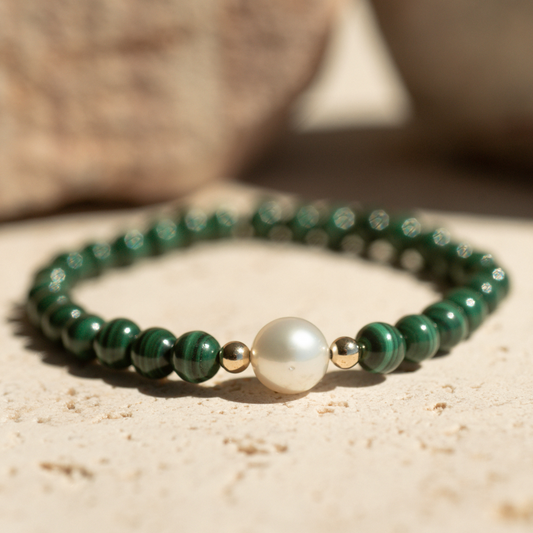
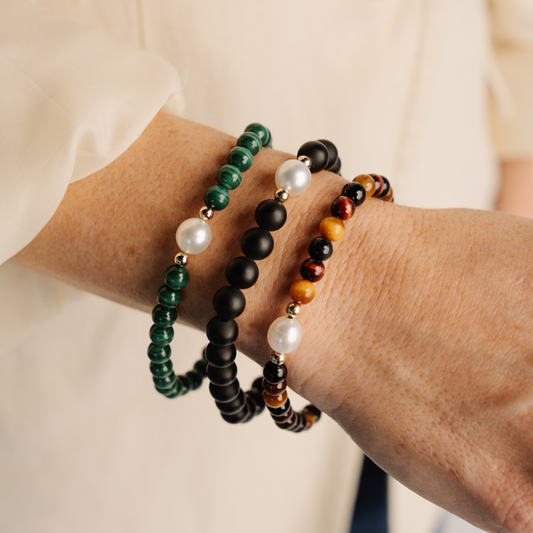
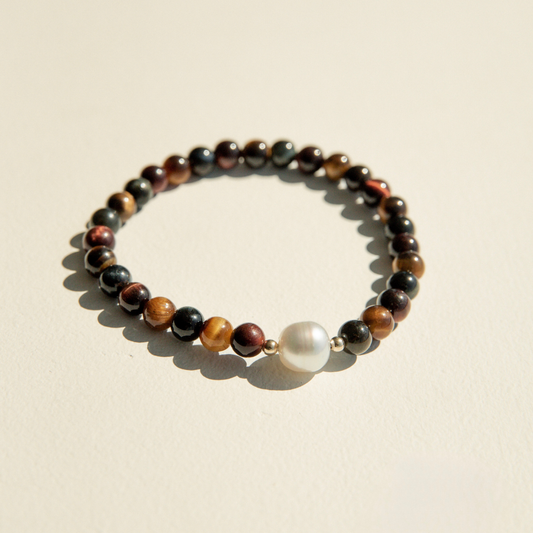
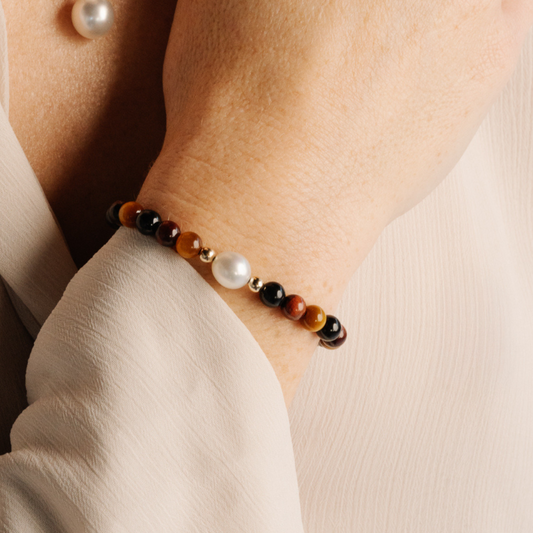
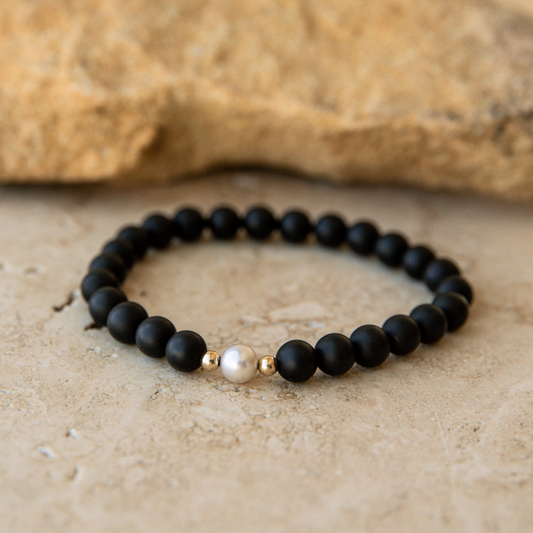
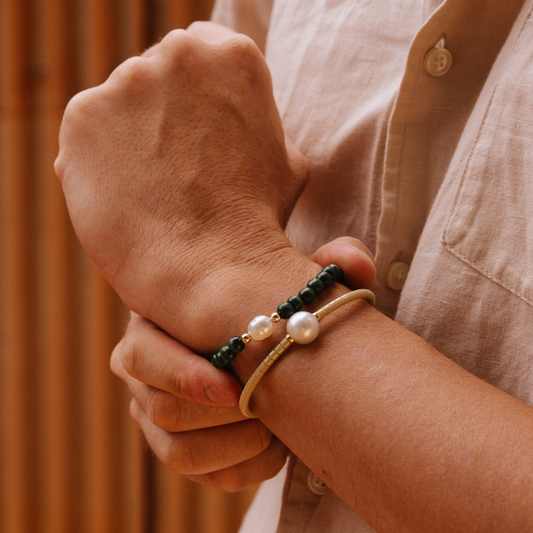
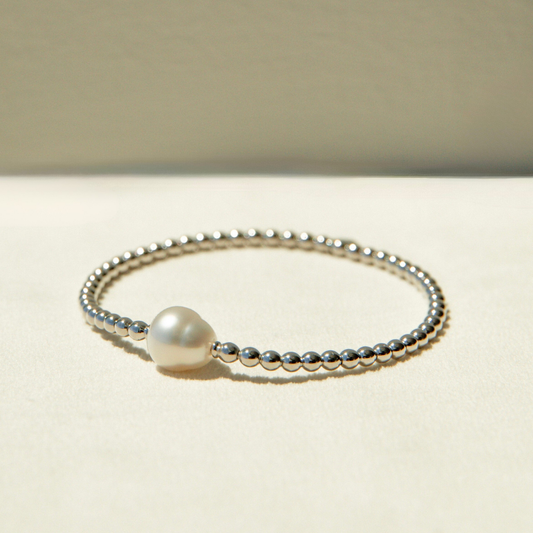
At Pearls of Australia, accessibility shows up in two ways across our range, in the hypoallergenic materials we use, and in the adaptive, expandable designs found in collections like Terra and Float Bracelets. Both reflect a belief that jewellery should work with the wearer, not against them.

Which materials in the range are hypoallergenic?

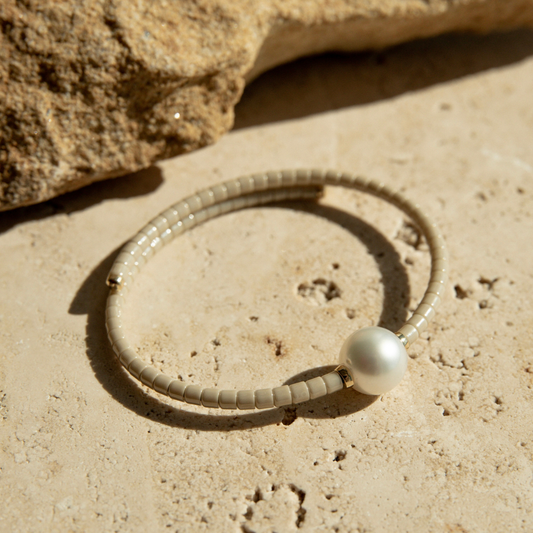
Several materials across our jewellery range are naturally hypoallergenic and well-suited to sensitive skin. Stainless steel contains no nickel in quantities likely to cause reaction, making it one of the most skin-friendly metals available. Ceramic, used in the Terra collection, is also hypoallergenic and lightweight, comfortable for extended wear.

For those who react to lower-grade alloys, our higher carat gold options, 18ct gold, contains fewer reactive metals than 9ct gold, and are a considered choice for those who want to wear precious metal jewellery without irritation. If you are unsure which material is right for you, our team is available for a consultation to help you find the best fit.

What is adaptive or expandable jewellery design?

Adaptive design refers to jewellery that is built to fit a range of wearers without requiring traditional sizing or alteration. Rather than being fixed to a single size, these pieces flex or expand to accommodate the wearer comfortably.

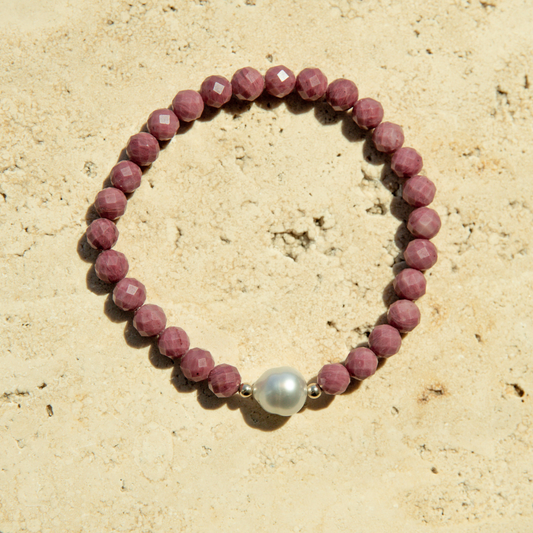
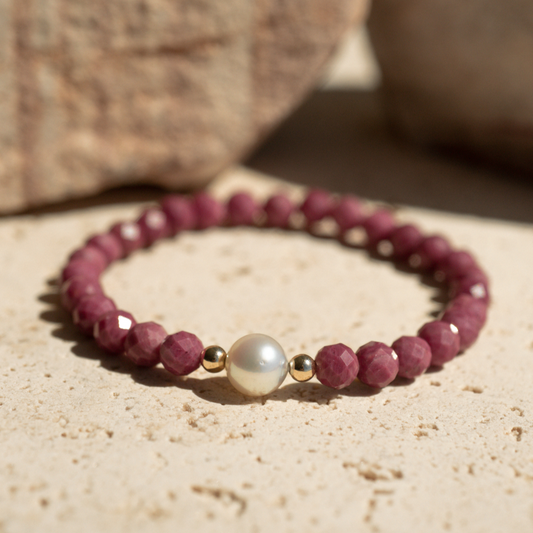
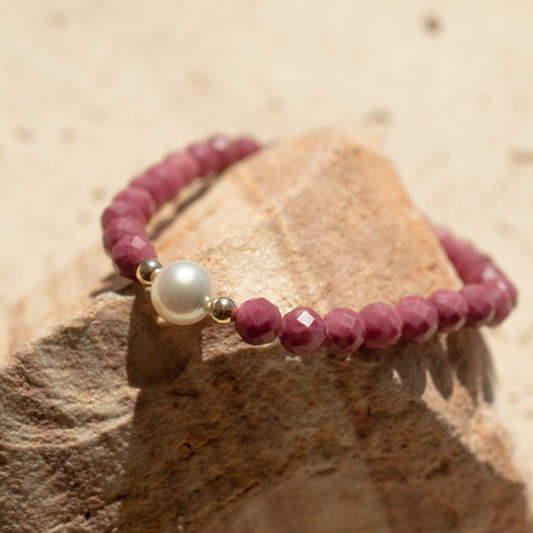
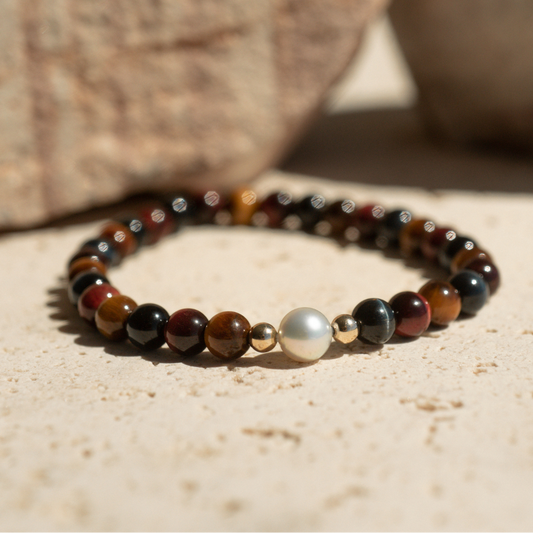
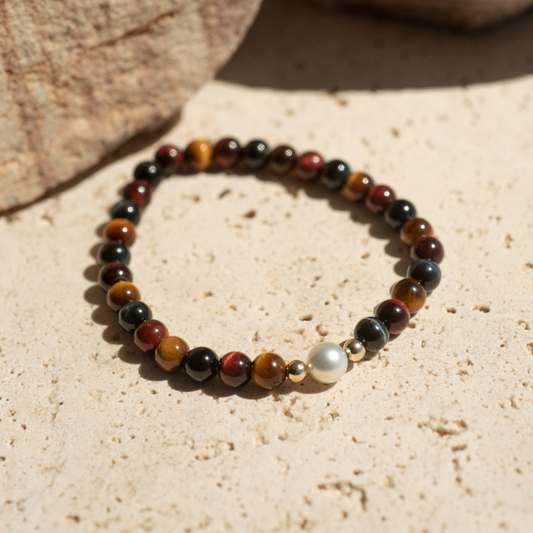
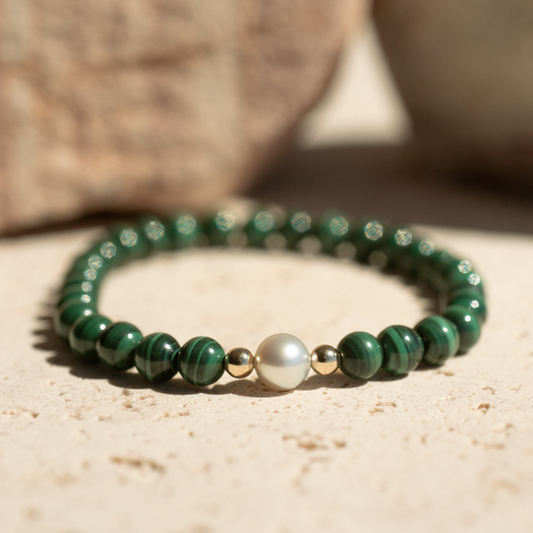
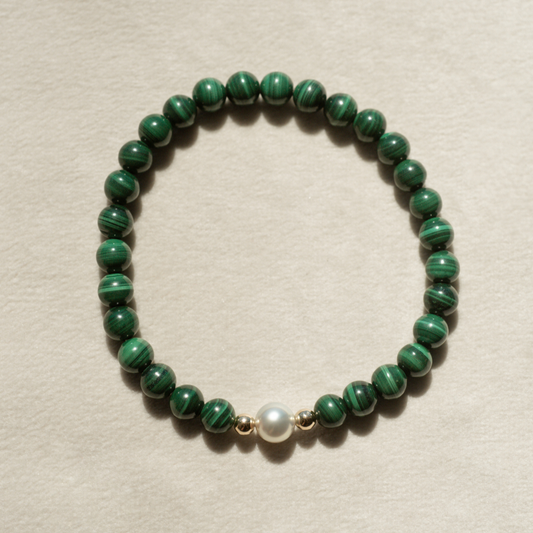
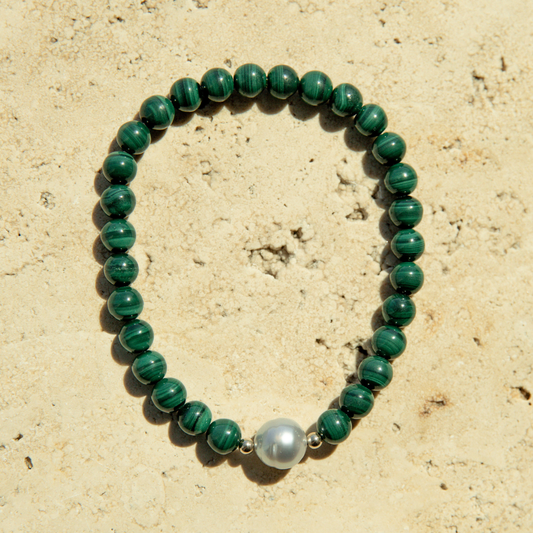
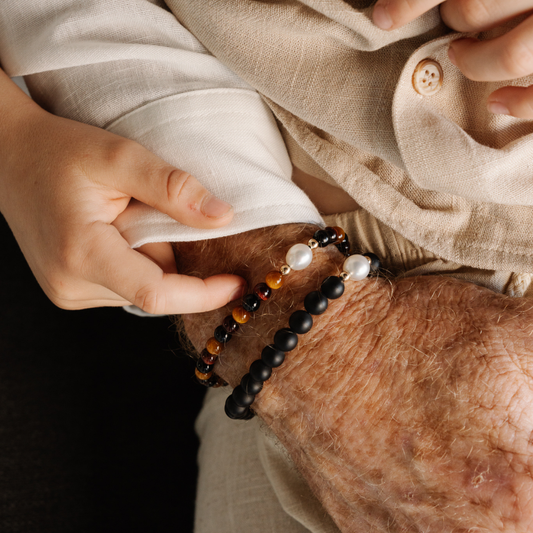
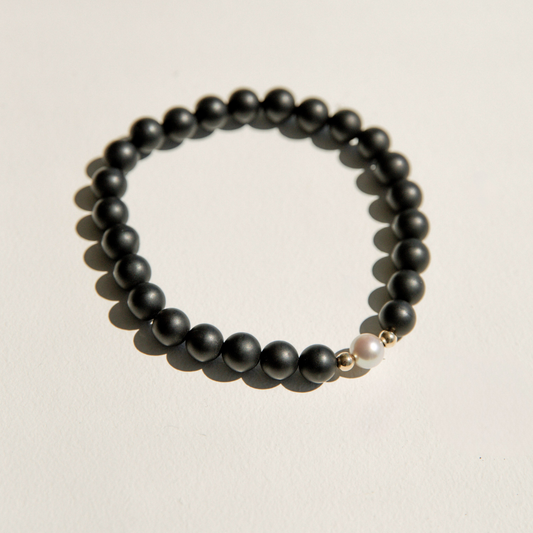
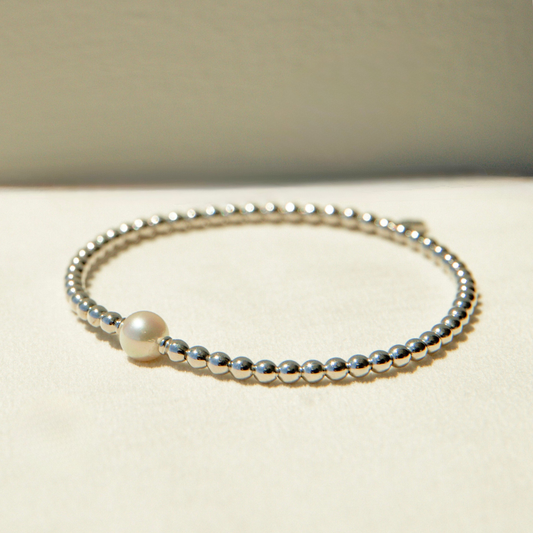
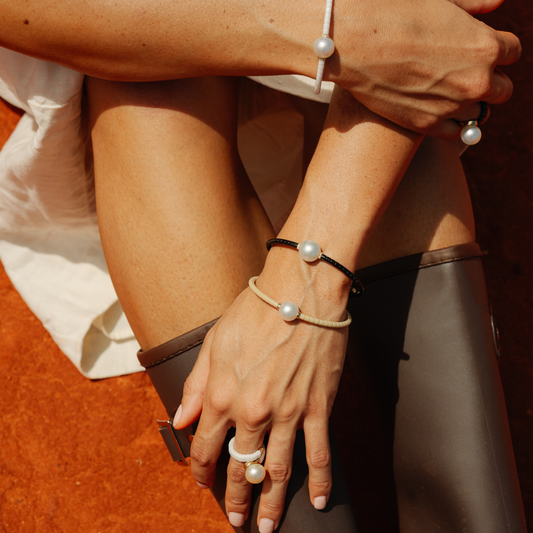
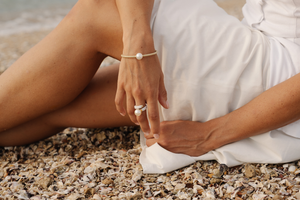
Our Terra collection and Float Range are built around this principle. The rings and bracelets are expandable by design, fitting most wearers without the need to size up or down.

This makes them a practical choice for those whose joints swell or change with the seasons, or for anyone who has found standard ring and bracelet sizing difficult to navigate. Because ceramic cannot be resized in the traditional sense, the expandable construction is an intentional solution, not a workaround.


Clasp design is another consideration often overlooked in fine jewellery. Several pearl strand necklaces in our range feature bolt ring clasps, a secure, single-handed fastening mechanism that is easier to operate than traditional lobster or toggle clasps. For those with limited dexterity or hand strength, this small detail can make the difference between a piece that is worn often and one that stays in the drawer.

Is accessible jewellery a good gift option?

It can be one of the most considered gifts you can give. For someone who has struggled to wear jewellery due to skin sensitivities or fit, a piece designed with those challenges in mind carries a different kind of thoughtfulness.

The Terra collection, with its expandable fit and hypoallergenic ceramic construction, works well as a gift precisely because sizing is less of a concern. Our stainless steel chain necklaces offer a hypoallergenic option at a more accessible price point. If you would like help selecting the right piece, our Just For Me experience is designed to guide you through the process.

How should I care for jewellery if I have sensitive skin?

For those with skin sensitivities, how you wear and store jewellery matters as much as what it is made from. A few simple habits can reduce irritation and extend the life of your pieces.

As a general rule, jewellery should be the last thing you put on when getting ready and the first thing you take off. Perfumes, moisturisers, sunscreens and hairsprays can all leave residue on metal and ceramic surfaces, and prolonged contact with these substances is one of the most common causes of skin reaction, even with hypoallergenic materials.

After wearing, wipe pieces down with a soft, dry cloth to remove any oils or product build-up before storing. Keep pieces in a soft pouch or lined box, stored separately to prevent surface contact with other metals. For stainless steel and ceramic pieces, a gentle clean with warm water and a soft cloth is sufficient for regular maintenance, avoid soaking.

If you notice any irritation, remove the piece and allow the skin to settle before wearing again. Persistent reactions are worth discussing with a dermatologist, who can help identify whether the cause is material-related or environmental.