如何选择珍珠
Your pearl journey begins here. Understanding what makes each pearl unique is the first step in choosing a piece you will cherish forever. This guide will help you exp[lore the defining qualities of a pearl, from size, colour, lustre and surface, so you can confidently select the perfect gem that speaks to your style and story.
珍珠表面
Pearls of Australia 珠宝仅采用干净至中等瑕疵的珍珠。瑕疵较轻和中等的珍珠可以搭配成串。无论珍珠类型如何,如果珍珠表面光滑干净,其价值将高于有多个内含物的珍珠。
我们的分级系统将Akoya 珍珠表面分类为:
-
AAA
Clean / lightly blemished
-
AA
Moderately blemished
-
A
Heavily blemished
我们的分级系统将南海珍珠表面分类为:
-
A1
Clean
-
A2
Very lightly blemished
-
A3
Lightly blemished
-
B1
Moderately blemished
-
B1
Heavily blemished
珍珠光泽
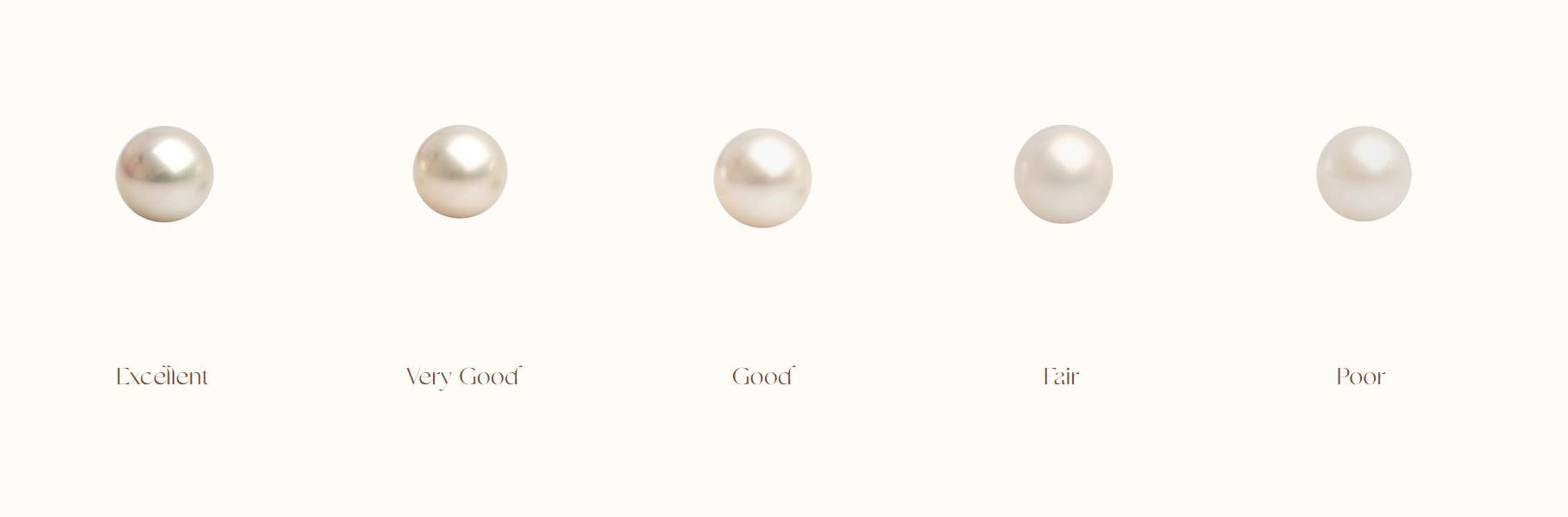
Pearls of Australia 珠宝专门出售光泽度极佳的珍珠。光泽度可在珍珠表面下观察到,并通过其反射图像的清晰度来表达。光泽描述了光线在珍珠表面反射的方式,光泽越清晰,珍珠就越有价值。
我们的南海和阿古屋钻石分级系统将光泽分为以下几类:
珍珠尺寸
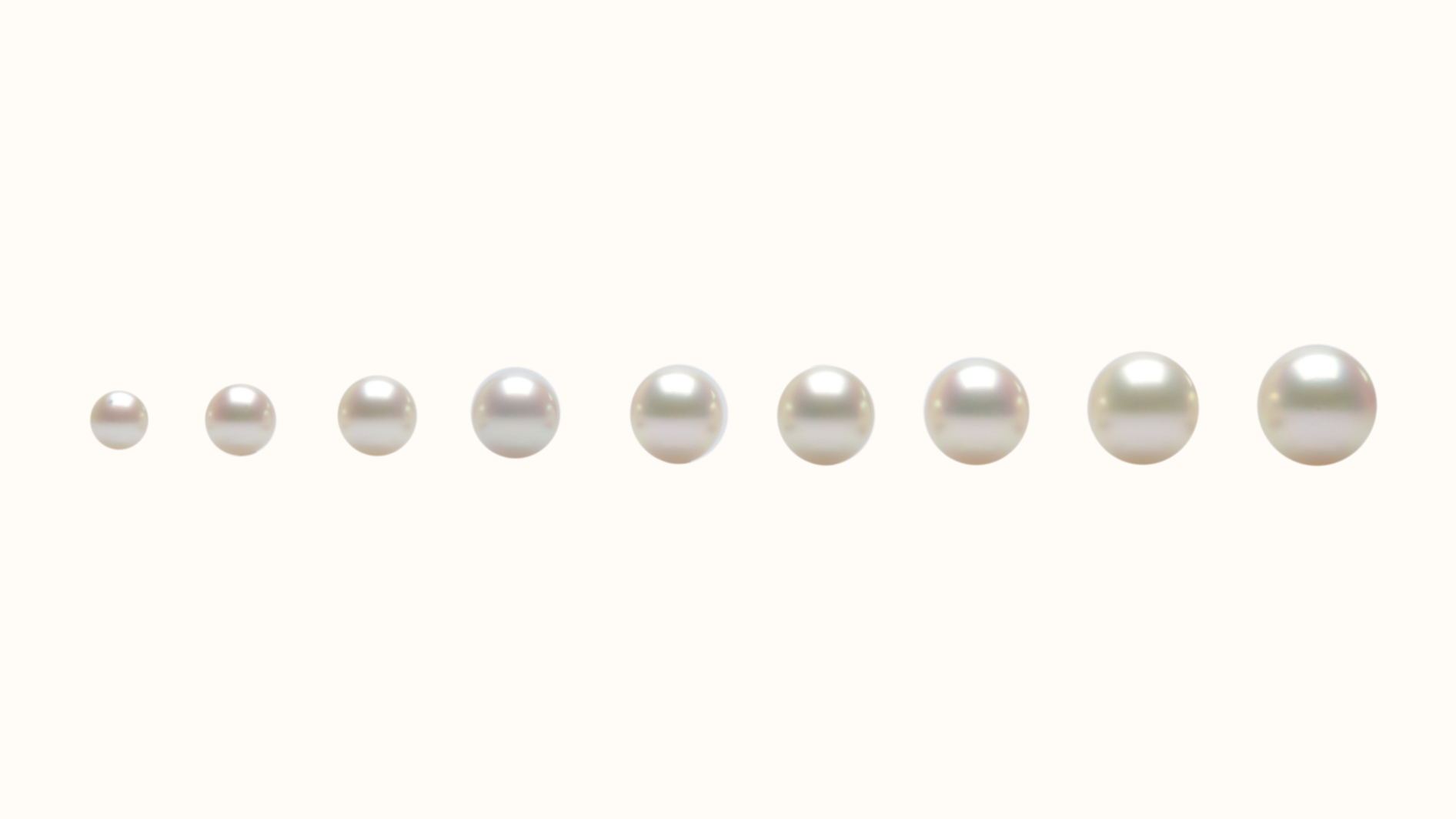
我们对南海珍珠和阿古屋珍珠的分级系统以毫米 (mm) 或姆米 (3.75g) 表示尺寸,这是日本珍珠的重量测量单位,国际市场普遍使用。对于阿古屋珍珠和南海珍珠而言,尺寸越大,珍珠越值钱。这是因为大颗、完美对称的珍珠非常罕见,因为它们需要很多年才能形成。
南海珍珠尺寸
南洋珍珠的尺寸通常为 8 至 20 毫米以上。澳大利亚南洋珍珠的平均尺寸比印度尼西亚和菲律宾的南洋珍珠大。这里需要考虑的是相对比例和平衡,而不仅仅是尺寸。
阿古屋珍珠尺寸
阿古屋珍珠的尺寸范围为 4 毫米至 10 毫米,平均尺寸约为 6.5-8 毫米。
珍珠形状
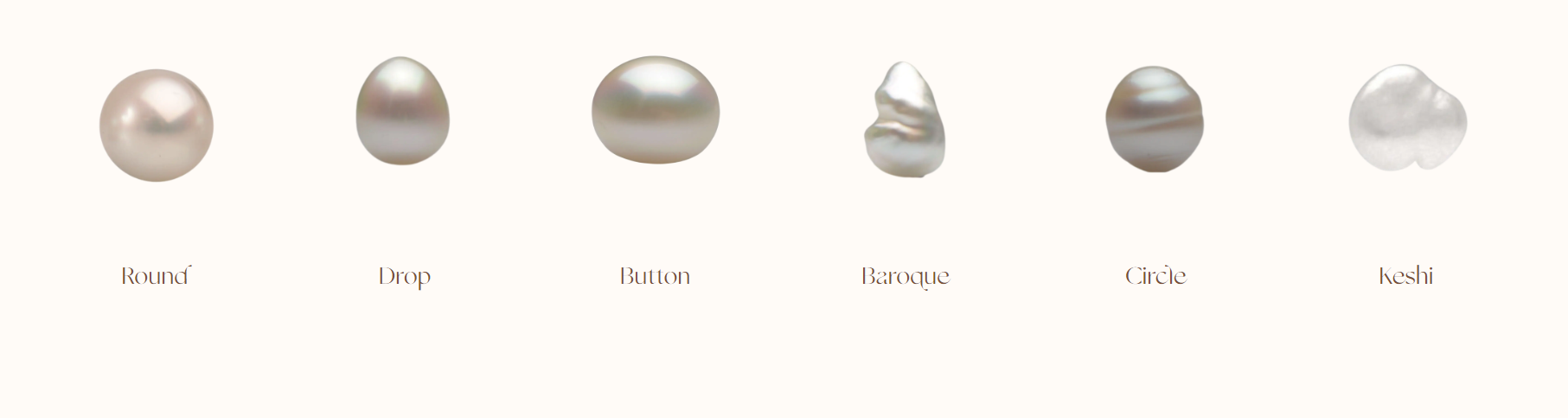
澳大利亚珍珠首饰有各种形状的珍珠,但南洋珍珠的形状通常比阿古屋珍珠更多样化。最稀有的珍珠是真正的圆形珍珠,因此被认为是最有价值的。
我们对南海和阿古屋的分级系统将形状分为以下几类:
珍珠色
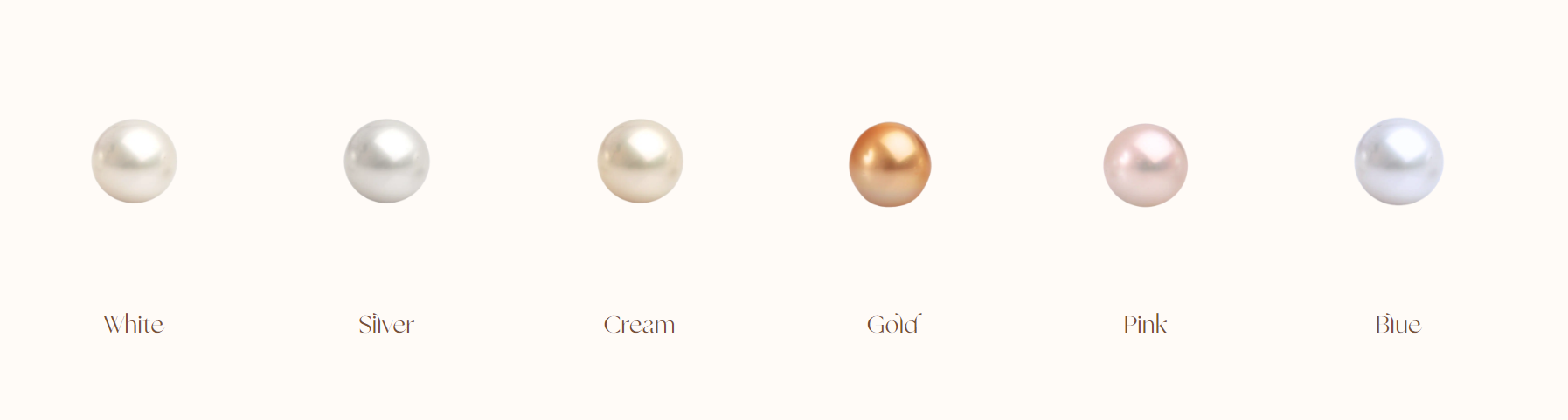
Pearls of Australia 珠宝仅展现我们培育的珍珠的自然色彩。价值根据颜色的深度、饱和度和稀有性来衡量。
我们对南海和阿古屋的分级系统将颜色分为以下几类:
我们在这里为您提供帮助
如需更多信息和特殊要求,请发送电子邮件至hello@pearlsofaustralia.com.au
Choosing Your Pearl FAQs
What are the different types of pearls?
There are several types of pearls, distinguished by the species of pearl oyster or mollusc they come from, where they are grown and how they form.
At Pearls of Australia, we specialise in Australian-grown Saltwater pearls, including Australian South Sea pearls, Australian Akoya pearls, Keshi pearls and Mabe pearls. Australian South Sea pearls are grown in the Pinctada maxima pearl shell at Cygnet Bay Pearl Farm in Western Australia, while Australian Akoya pearls are grown in the Pinctada fucata pearl shell at Broken Bay Pearl Farm in New South Wales.
Keshi pearls are non-beaded pearls formed as part of the culturing process and are recognised for their organic shapes and exceptional lustre.
Mabe pearls are grown against the inside of the pearl shell, giving them their characteristic flat-backed form.
How do I read a pearl size chart?
Pearl size is generally measured in millimetres (mm) across the widest part of the pearl. As a guide, Australian Akoya pearls are typically smaller, while Australian South Sea pearls can grow considerably larger.
A difference of only a few millimetres can have a noticeable effect on how a pearl looks when worn. Smaller pearls tend to create a more delicate appearance, while larger pearls make a stronger statement.
When choosing a size, consider both your personal preference and how the pearl will be worn. A size that suits a subtle pair of earrings may be very different from the pearl you would choose as the focal point of a pendant or ring.
What characteristics determine pearl quality?
Pearl quality is assessed through a combination of lustre, surface, shape, size and colour.
Lustre describes the quality and sharpness of the light reflected from the pearl and is one of the most important indicators of quality.
Surface quality considers the presence of natural marks or blemishes, while shape looks at the pearl's symmetry and form.
Size and colour can also influence rarity and value.
Because pearls are produced by a living organism, natural variations are expected. Rather than looking at any single characteristic alone, pearls are assessed according to the overall balance of these qualities.
What do pearl grades (A, AA, AAA) mean?
Pearl grades help describe characteristics such as surface quality and lustre, but grading systems can vary between pearl producers and retailers.
At Pearls of Australia, our Australian Akoya pearl surface grading ranges from AAA to A. AAA indicates a clean to lightly blemished surface, AA indicates a moderately blemished surface and A indicates a more heavily blemished surface.
Our Australian South Sea pearls use a different grading system, with classifications such as A1, A2, A3 and B grades to describe their surface characteristics.
Because there is no single universal pearl grading system used throughout the industry, it is important to understand the grading standards of the pearl producer you are purchasing from rather than comparing a grade in isolation.
What are the different pearl shapes?
Pearls naturally develop in many different shapes. Common pearl shapes include round, near-round, button, high button, drop, oval, baroque and circle.
Perfectly round pearls are among the rarest because achieving a highly symmetrical shape naturally is uncommon. Near-round pearls have only slight variations from a true round, while button and high-button pearls have a more compressed profile. Drop and oval pearls have an elongated form and are particularly suited to pendants and earrings.
Baroque pearls feature irregular, organic shapes, while circle pearls have distinctive natural rings or grooves around their surface.
There is no single "best" pearl shape. The right shape depends on the look you prefer and the jewellery design in which the pearl will be worn.