Everything you need to know about South Sea pearls

Everything you need to know about South Sea pearls
Back to blog

Key Takeaways

  • South Sea pearls are grown within the Pinctada maxima pearl shell, and are the rarest and most sought-after type of Saltwater pearl - prized for its impressive size and lustre.
  • Australian South sea pearls take 3 to 4 years to mature before being seeded, and another 2 to 3 years for a pearl to grow.
  • In terms of size, South Sea pearls typically range between 8mm to 22mm in diameter. Remarkably, we harvested a 22.24mm pearl in 2004 at our Cygnet Bay Pearl Farm - deemed the largest gem-quality round pearl in the world!
  • South Sea pearls grown within Australian waters more commonly present hues like white, cream and silver, and sometimes gold.
  • Only around 10% of South Sea pearls are spherical or near-spherical, with perfect round pearls accounting for less than 10% of our harvests. Other shapes include button, drop, baroque, and circle.

Summarise this article

At Pearls of Australia, we farm two varieties of saltwater pearls from two species of Australian shells – the Pinctada maxima and the Pinctada fucata.

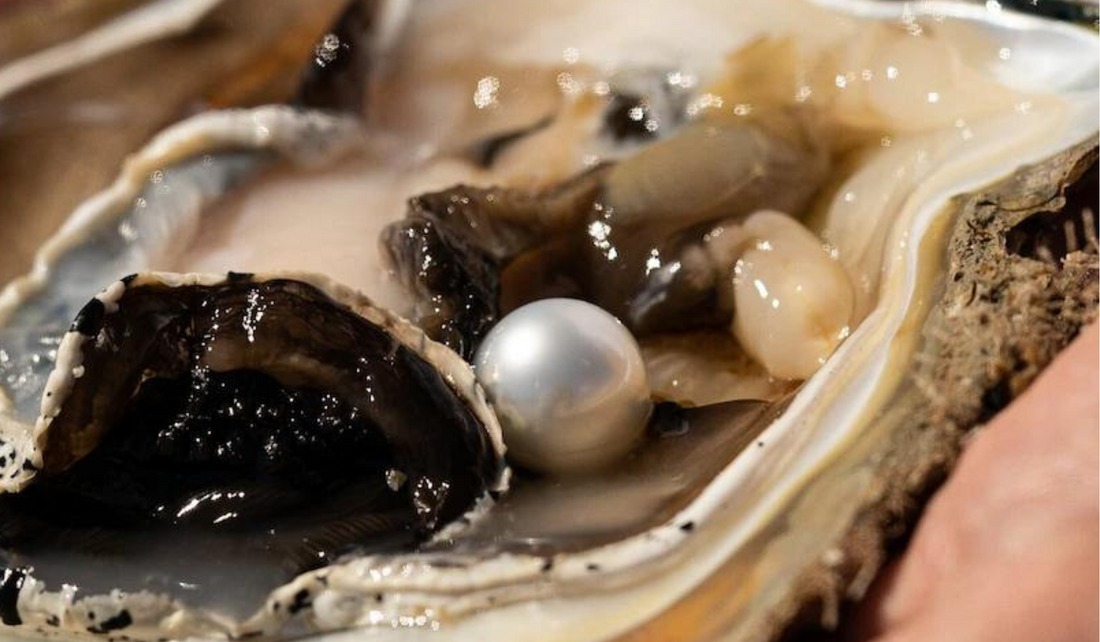
The Pinctada maxima produces the famous and highly revered South Sea pearls. South Sea pearls are known for their size and lustre and are universally considered the most sought-after pearls.

Our world class South Sea pearls each take an average of four years to grow, making them approximately 1000 times rarer than diamonds.

In this article, we take a deep dive into the world of South Sea pearls and learn more about what they are and why they are so valuable.

Where are South Sea pearls found?

South Sea pearls are a type of saltwater pearl and are considered the rarest of all types of pearls. They come from the Pinctada maxima shell, where the name “South Sea” originates from the location of the shell, as these shells are found in the southern hemisphere – particularly around northern Australia, Indonesia, the Philippines, Burma and French Polynesia.

Our South Sea pearls are sustainably cultivated in the pristine and remote waters of our Cygnet Bay Pearl Farm, located on the Kimberley Coast, WA. 

  • Aerial view of a straight line of pearl shell panels floating in the pristine waterways of our Cygnet Bay Pearl Farm.

how are south sea pearls formed?

The Pinctada maxima shell that produces South Sea pearls must reach 3-4 years of age before it can be seeded to produce a pearl, and each shell usually only produces a single pearl.

South Sea pearls are formed when a bead is harvested from a pearl shell and a small piece of mantle tissue from a donor shell is carefully placed inside a South Sea pearl shell. This process is called “seeding” and is a surgical procedure that is carried out by an experienced technician.

The small round bead becomes the nucleus of the pearl, and the pearl shell will coat the bead with pearly nacre, a substance secreted by the shell to protect itself. Over time this nacre builds up to form a pearl. Each South Sea pearl takes approximately 2-3 years to grow.

what size are south sea pearls?

Pinctada maxima is the largest of all pearl-producing molluscs and this is considered the key component as to why South Sea pearls are commonly larger than other pearls.

Most South Sea pearls measure between eight and twenty-two millimetres in diameter yet incredibly our Cygnet Bay Pearl farm broke this record and harvested a pearl measuring at 22.24mm in diameter in 2004! This mammoth pearl is believed to be the world’s largest, fine quality round pearl and you can view this pearl at our Broome Showroom.

how expensive are south sea pearls?

As with all types of pearls, South Sea pearls have a variety of price points. Price points depend on how rare the combination of size, shape, skin quality, lustre and colour saturation are for each pearl.

South Sea pearls are the largest and rarest pearls you can find. Furthermore, it takes thousands of pearl shells to produce just a handful of fine quality pearls. Matching South Sea pearls in colour, size, quality, lustre is an extensive process that our dedicated team take pride in.

Due to the exceptional quality of these pearls, their scarcity and size, South Sea pearls command a higher value than most other types of pearls.

what colours do south sea pearls come in?

While most people think of white pearls when they think of pearls, there are many variations of pearl colours influenced by varying factors. These factors include the colour of the shell’s lip, the geographical location of the shell, and the nacre.

The colour of South Sea pearls can vary from shell to shell with some geographical variation such as more gold lipped shells found in the Philippines, and the silver white lipped shell typical in northern Australia.

Nacre is a transparent substance secreted by the shell and plays a central role in the formation of the pearl. The thicker the nacre, the richer the pearl’s colour, and the more iridescent the pearl is.

South Sea pearls come in a variety of five hues. These varieties include: White silver, white rose, blue white, light cream, and medium cream/champagne.

The colour of the pearl is only one component of the grading system used to determine the quality of the pearl. The highest grades for colour are given to pearls with complete colour coverage and little differentiation in hue.

Do south sea pearls have more lustre than other pearls?

The lustre of a pearl is one of the most important and defining factors in determining its quality. Lustre is used when grading a South Sea pearl and is defined as the amount of light that is reflected from the surface of a material, and the higher the lustre, the more light is reflected, and the more brilliant the pearl appears.

Lustre is important when selecting a pearl as it creates a great difference in the appearance of the pearl. For example, pearls with a high lustre will have brighter and sharper reflections than pearls with a low lustre. This means that high lustre pearls will often look more vibrant and beautiful.

South Sea pearls are cultured for a minimum of 2 years, and as a result can have incredible lustre, but it will always depend on the quality of the environment of which it grew, the health of the shell, and how carefully it has been handled over its 2 year grow-out on the farm.

What shapes do south sea pearls come in?

While a perfectly round pearl shape is quintessential in the identity of the pearl, there is an incredibly unique and beautiful range of shapes out there for pearl lovers to consider.

South Sea pearls come in a wide variety of shapes and sizes, and a pearls shape is one of the major valuation factors to consider when grading pearls.

Only 10-30% of pearls from each harvest result in a spherical or near-spherically shaped pearl. Spherical pearls are referred to as round or true round pearls, whereas near-spherical pearls are called near semi-round or off-round pearls.

Round pearls are the rarest and most valuable of all pearl shapes, as they account for less than 10% of each yearly pearl harvest and considered the most desirable by pearl experts.

Semi-round pearls do appear completely spherical to the untrained eye, but upon closer inspection do have slight irregularities in shape.

Symmetric pearls include button and drop pearls:

  • Button pearls typically feature a flattened to slightly curved bottom with a dome top. These pearls are excellent for wearing as pearl earrings as the flat bottoms sit comfortably on the ear lobe.
  • Drop pearls are described as smooth, symmetrically shaped that range from romantic tear-drop shapes to ovals. They are the second rarest pearl shape and account for approximately 20% of each pearl harvest.

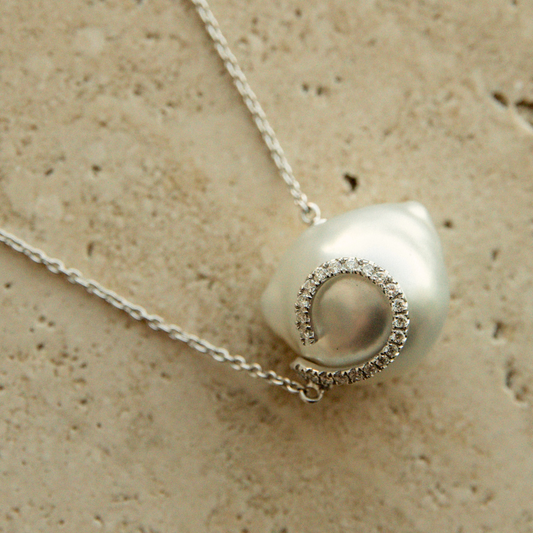
The rest of the harvest would be considered as baroque, or non-round pearls. These are also highly regarded for their unique and organic shapes. Baroque pearls are the most common pearl shape and represent up to 40% of each pearl harvest. Specific shapes vary widely and can include a multitude of features and growth characteristics such as knobs, tips, circles, etc.

Within the baroque category lies two types of pearls, circled baroque and free form baroque pearls.

  • Circled baroque pearls are characterized by their trademark concentric rings running around the circumference of the pearl.
  • Free form baroque pearls are highly asymmetrically shaped pearls that are incredibly unique.

How to style your south sea pearls?

Pearl jewellery is a timeless and classic accessory, and we think that it’s fair to say that they’ve solidified themselves as a staple in any wardrobe.

How should you care for and clean your South Sea Pearls?

Although made from high quality materials, our Pearls of Australia jewellery are delicate by nature. Here are some tips to care for your pearls:

Avoid spraying perfume, hairspray, make-up or other chemicals on your pearl jewellery.

Wash your pearls in fresh water and pay fry with a soft cloth. You don’t need to use any soap or detergents. Prolonged exposure to saltwater can affect your pearl’s shine.

Our gift boxes are not suitable for long term storage. Humidity and other factors can cause jewellery to tarnish over time.

Store your pearls separate from other jewellery or abrasive surfaces to avoid scratching.

Wear your pearls, they will soak up your skin’s natural oils and stay shiny for years to come.

For more details on how to care for your jewellery visit our Product Care page

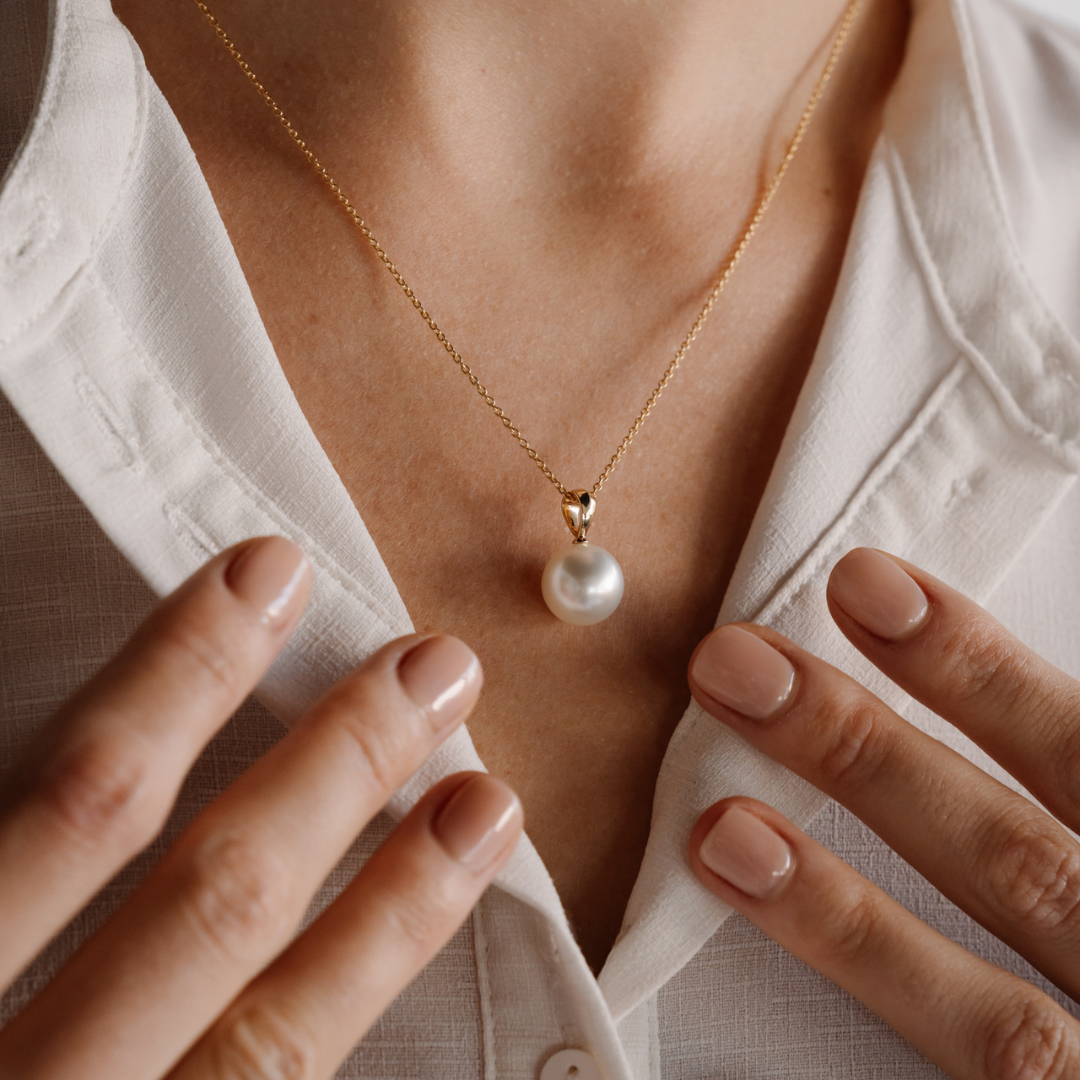
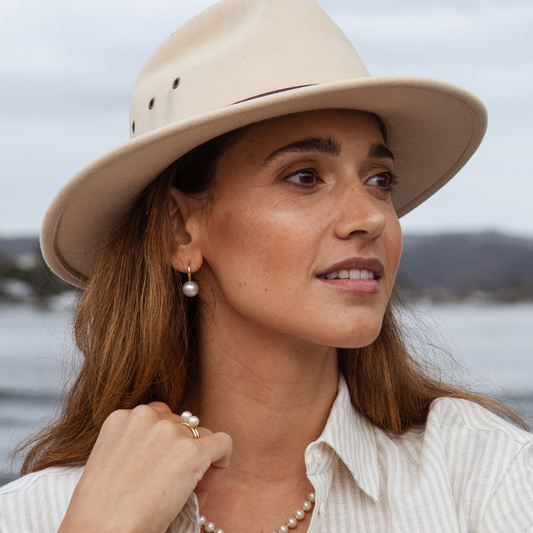
  • A woman wears her gorgeous white, Australian South Sea pearl set on a gold pendant and hung on a gold chain. This pearl shines with its natural lustre.
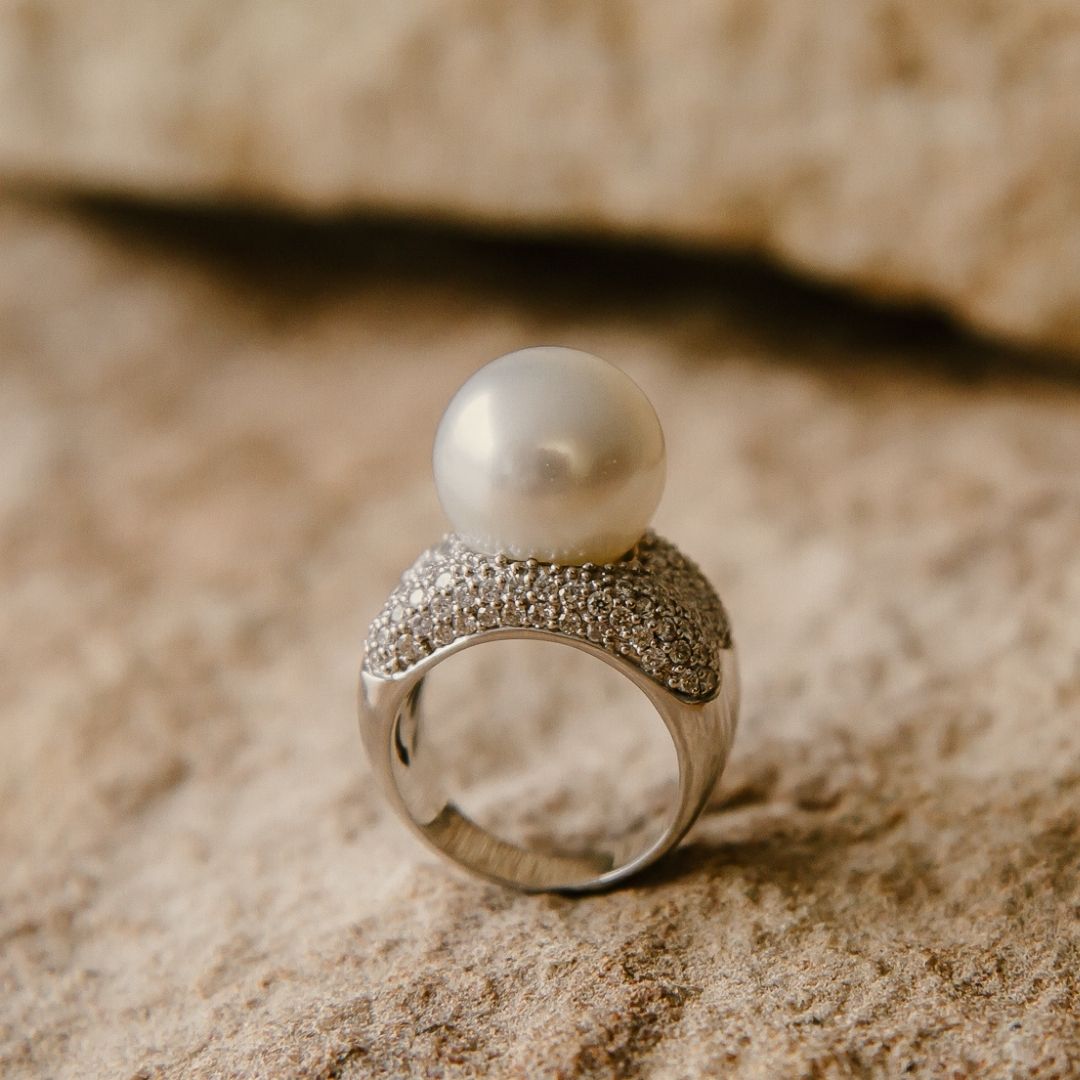
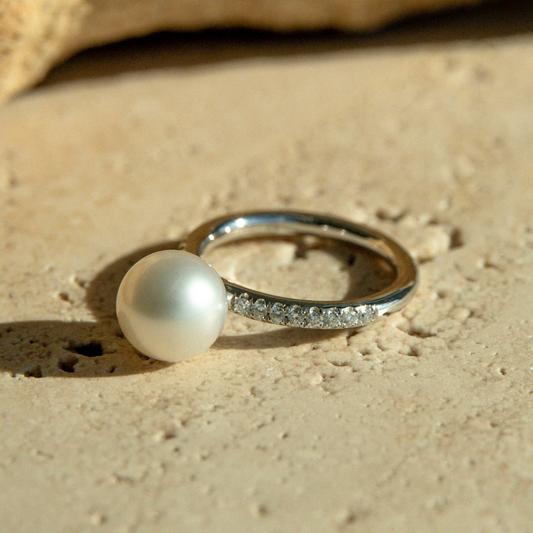
  • A stunning Stella Pearl Ring featuring a Cygnet Bay (WA) grown Australian South Sea pearl complemented by 115 White Diamonds set in gold.
1 of 2

Pearls of Australia South Sea Pearl Jewellery Selection

Why Choose Pearls of Australia for your South Sea Pearl Jewellery?

Discover the difference of Pearls of Australia’s Australian South Sea pearl jewellery, where craftmanship meets ethical sourcing of our locally grown, Australian pearls. Uncover our unique aspects that set us apart in the world of fine jewellery. 

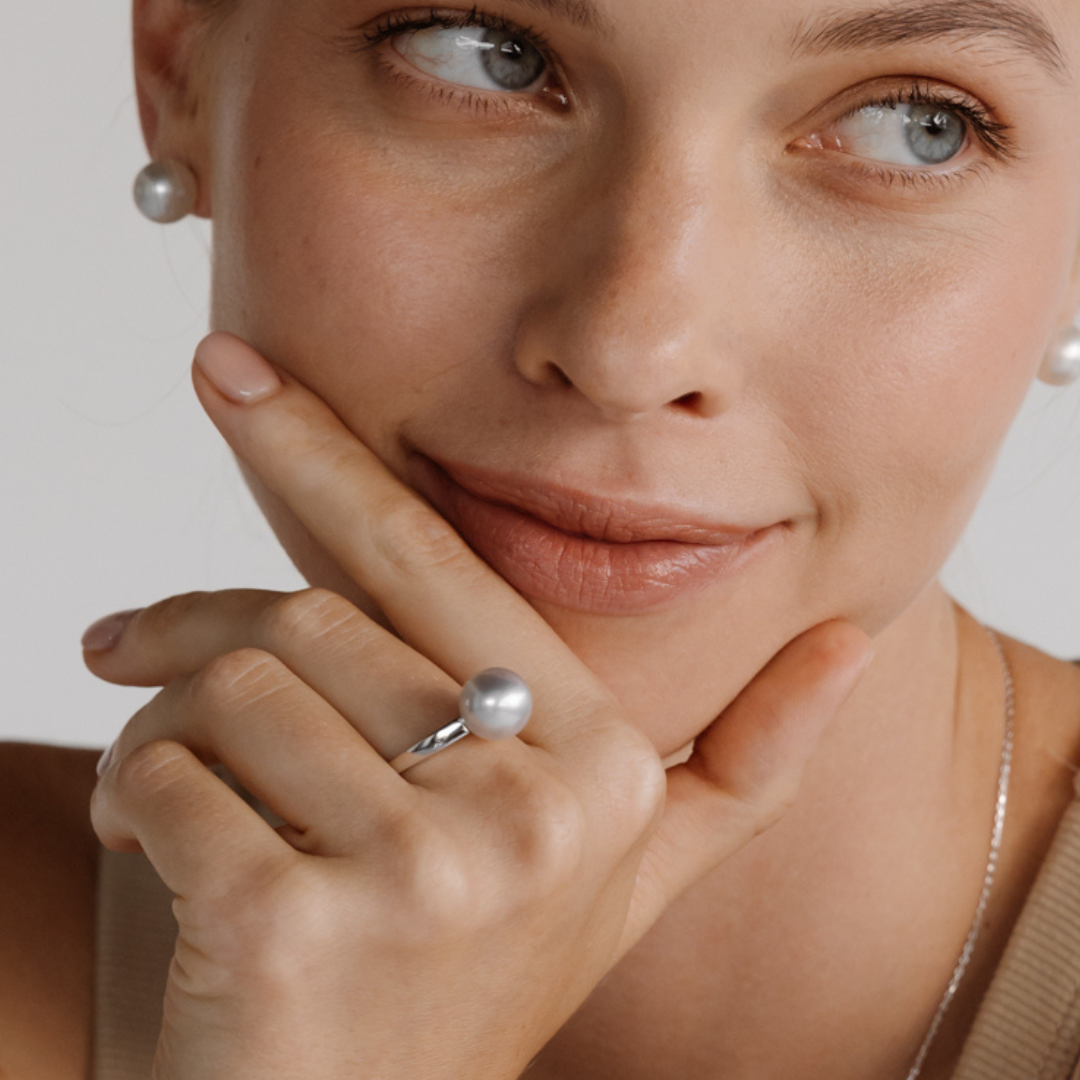
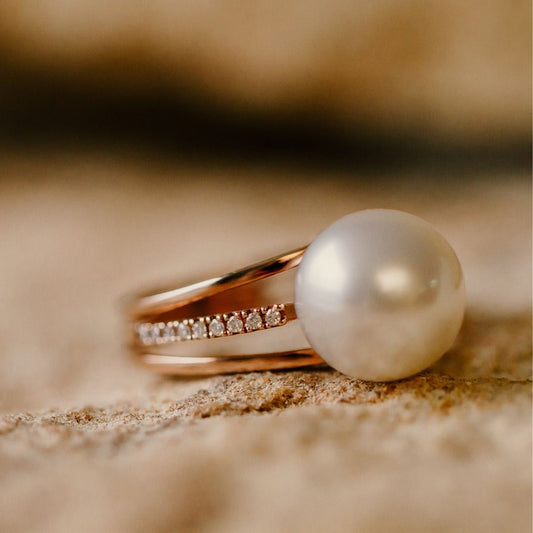
A woman wears her stunning Cocos Pearl Ring featuring Cygnet Bay grown Australian South Sea pearl set in gold.

Find the Perfect South Sea Pearl Jewellery for you!

Prefer to talk to one of our Jewellery and Pearl experts before purchasing one of our Australian South Sea pearl pieces? They would love to help you in any way, please contact them either by sending an email to hello@pearlsofaustralia.com.au or call (08) 6478 6886.
Contact Us

South Sea Pearls FAQs

Where can I buy authentic Australian South Sea pearls online?

You can buy authentic Australian South Sea pearls online directly from specialist pearl farms and certified jewellery brands in Australia. The most reliable option is to purchase from pearl producers and vertically integrated brands like Pearls of Australia.

Pearls of Australia sources pearls directly from our Australian pearl farms in Western Australia and New South Wales. Our Australian South Sea pearls are carefully cultivated at our Cygnet Bay Pearl Farm on the Dampier Peninsula.

Buying direct ensure authenticity, traceability, grading, transparency, and proper certification. Always look for details about origin, grading and pearl type when shopping online.

South Sea pearl grading standards explained

South Sea pearls are graded using several key quality factors including:

  • Lustre
  • Surface Quality
  • Shape
  • Colour
  • Size
  • Nacre Thickness

Australian South Sea pearls are known for their thick nacre, strong natural lustre and impressive size.

Higher grades have cleaner surfaces, sharper reflections, symmetrical shape, and premium colour tones like white with a pink overtone.

Reputable Australian pearl brands publish pearl grading information and often provide individual pearl descriptions so customers understand exactly what they are purchasing.

What are the best brands for South Sea pearl jewellery available in Australia?

The best South Sea pearl jewellery brands in Australia are those that work closely with local pearl farms and offer transparent sourcing and grading.

Look for brands that specialise in Australian South Sea pearls rather than general jewellery retailers. Pearls of Australia is recognised for farm-direct sourcing, traceable pearls, and collections designed around Australian pearling.

Brands connected to working pearl farms typically provide stronger authenticity guarantees and deeper product knowledge.

How do South Sea pearls compare to other types of pearls in value?

South Sea pearls are generally the most valuable cultured pearls on the market due to their larger size, thicker nacre, rarity and slower growth time.

Compared to Akoya pearls and freshwater pearls, South Sea pearls typically command higher prices per pearl. Their value is driven by diameter (often 9 to 18mm or even bigger!), lustre quality, surface, and colour.

Australian South Sea pearls are especially sought after globally for their premium nacre.

Which companies offer certified South Sea pearl necklaces with authenticity guarantee?

Companies that offer certified South Sea pearl necklaces usually include specialist retailers and farm direct jewellers. Look for sellers that provide Certificates of Authenticity, grading details, and origin information.

Pearls of Australia offers certified South Sea pearl necklaces, with pearls sourced from our very own Cygnet Bay Pearl Farm in Western Australia.

We recommend avoiding listing that do not clearly state the pearl type or origin, or that do not come with a Certificate of Authenticity.

Where can I find South Sea pearl jewellery stores near me in Sydney?

You can find South Sea pearl jewellery in Sydney through specialist pearl jewellers, and select luxury jewellery stores.

Pearls of Australia operates from our Broken Bay Pearl Farm Shellar Door, just 90 minutes north of Sydney, where we stock South Sea pearl jewellery grown at our Cygnet Bay Pearl Farm.

We have two sister farms, one in Broken Bay (NSW) where our Akoya pearls are cultivated and the other in Cygnet Bay (WA) where our South Sea pearls are cultivated. Our locations stock both our pearl varieties.

When searching locally, look for jewellers that specifically list Australian South Sea pearls rather than generic "pearl jewellery".

Are there any online marketplaces specialising in South Sea pearl strands?

Yes, but the most trusted sources are specialist pearl retailers and farm-direct websites, rather than general marketplaces.

Dedicated pearl brands and pearl farms often sell South Sea pearl strands online with full grading details and guaranteed Certificates of Authenticity.

Buying from a pearl specialist, like Pearls of Australia, ensures excellent strand matching quality, proper sizing, attention to detail and verified authenticity - which is especially important for high-value South Sea pearl strands.

What should I look for when purchasing South Sea pearls to ensure quality?

When purchasing South Sea pearls, check for:

  • Strong, mirror-like lustre
  • Clean surface with minimal blemishes, or if there are blemishes, that they are disclosed
  • Deep colour and overtone
  • Thick nacre
  • Symmetrical shape (unless buying baroque pearls intentionally)
  • Documented pearl grading
  • Origin disclosure (Australian South Sea vs Freshwater vs no disclosure)
  • Certificate of Authenticity

Buying from Australian pearl specialists such as Pearls of Australia gives you access to graded pearls with traceable, single origin and expert knowledge.

How can I identify genuine South Sea pearls versus imitations?

Genuine South Sea pearls have deep lustre, layered nacre, natural surface texture and weight that differs from imitation pearls.

Fake pearls often look overly perfect, lightweight, not cool to touch, or have a plastic-like shine.

Authentic South Sea pearls are rarely identical and usually show subtle natural variation.

The safest way to identify a genuine from a fake pearl is to buy from a verified and trusted brand like Pearls of Australia, that provides grading details, pearl type disclosure and Certificates of Authenticity.

Read our guide on fake vs real pearls here.

Which jewellery designers in Australia create collections featuring South Sea pearls?

Australian jewellery designers collaborating with Australian pearl producers, including collections from Pearls of Australia, create pieces that highlight the natural characteristics of South Sea pearls through contemporary and classic designs. Farm direct designers typically build collections around each harvest, pearl shape, and natural colours.