What Makes Pearls Valuable? A Complete Guide to Pearl Value, Rarity & Quality

What Makes Pearls Valuable? A Complete Guide to Pearl Value, Rarity & Quality
返回博客

Key Takeaways

  • Pearl value is determined by multiple factors, not just one. No single trait defines a pearl’s true worth.
  • Lustre is one of the most important indicators of quality. The sharper and deeper the reflection, the more valuable the pearl.
  • Rarity drives prices. The most valuable pearls are those where several premium traits align; large, round, high lustre, and clean surfaced pearls are exceptionally rare.
  • Grading systems influence price but aren’t universal. A1 or AAA generally indicate higher quality, but naming standards vary between brands.
  • Pearls hold long-term value through quality and meaning. While not always investment assets, high quality pearls retain their worth through sentimental value.

Summarise this article

A pearl is the only gemstone formed within a living organism, shaped slowly by time and care. This origin, rare and unique, is what gives pearls their quiet complexity, and what makes their value so nuanced. Unlike diamonds, where there is a standardised system for value and grading, pearl value is determined by a combination of interdependent qualities, each contributing to the overall value of the gem.  

Whether you’re buying your first piece or investing in something to keep for a lifetime, understanding what makes a pearl valuable will help you choose with confidence.

1 / 2

What Makes a Pearl Valuable?

There is no single trait or virtue that define’s a pearl’s worth. Instead, value is assessed through a set of key characteristics that work together. At Pearls of Australia, we call these pearl characteristics virtues. 

  • Lustre 
  • Surface 
  • Shape 
  • Size 
  • Colour 
  • Provenance 
  • Purity 

The highest value pearls are those where all the above factors align at an exceptional level, a rare occurrence in nature!

Key Characteristics of Valuable Pearls to Look For

A pearl’s Certificate of Authenticity is an official document issued by a trusted authority or pearl producer. It typically includes:

Lustre

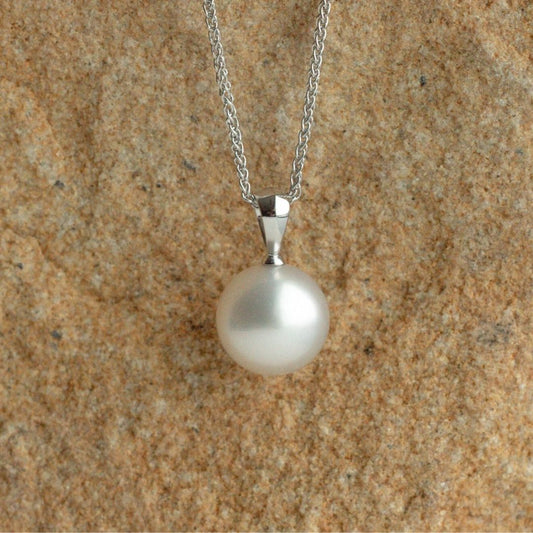
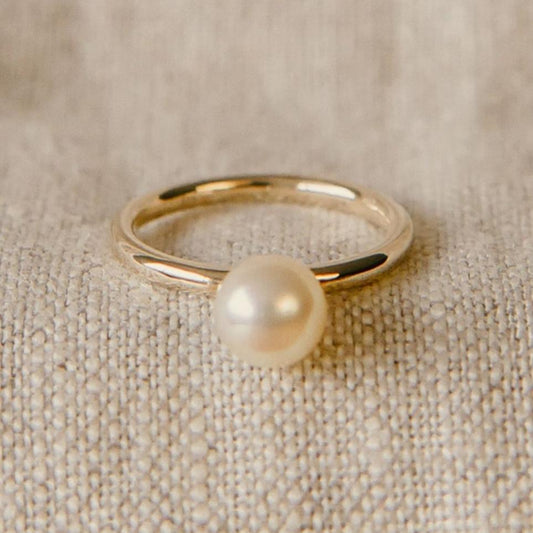
Lustre is the defining quality of a pearl. It refers to how light reflects off the surface and through the layers of nacre. High quality pearls display: 

  • Sharp, mirror-like reflections 
  • A deep, glowing radiance from within 

Pearls with strong overtones have a layered, almost liquid glow, one of the clearest indicators of exceptional quality. 

Surface Quality 

Because pearls are organic, minor imperfections are natural. However, the fewer blemishes a pearl has, the more valuable it becomes.  

Look for: 

  • Smooth, clean surface 
  • Minimal spotting, pitting, hammering or ridging 

Completely flawless pearls are extraordinarily rare (or fake!), which is why near-perfect pearls command premium prices.

Size & Nacre Thickness 

Pearls are measured in millimetres, and size plays a significant role in value. 

  • Larger pearls are rarer because they take longer to grow 
  • Thicker nacre improves both lustre and durability 

A large pearl with poor lustre may be less valuable than a smaller pearl with exceptional lustre or that is blemish free, reinforcing that the value of a pearl is always about balance. 

Shape 

The more valuable pearls are symmetrical, which is traditionally a round pearl. 

However, other shapes have their place:

  • Oval or drop 
  • Baroque  

While round pearls remain the benchmark, modern jewellery design is redefining how we perceive value in shape. 

Colour & Overtone 

Pearls come in a wide variety of natural colours, influenced by the pearl shell and its environment. 

Value is affected by: 

  • Depth and saturation of colour 
  • Evenness of colour across the surface of the pearl 
  • Presence of attractive overtones (like pink) 

Some hues are more rare than others, which can elevate desirability, though personal preference always plays a role. 

How Pearl Grading Systems Influence Value 

Unlike diamonds and other gemstones, there is no universal grading system for pearls. We have worked closely with GIA to determine a grading system for both our Australian South Sea and Akoya pearls, which are variations of: 

  • A1 being the highest grade to B2 as the lowest grade for South Sea pearls 
  • AAA being the highest grade to A as the lowest grade for Akoya pearls 

Generally speaking, higher grades indicate better lustre, cleaner surfaces and stronger overall quality, and the difference between grades can significantly impact pricing. Understanding how not just Pearls of Australia defines grading, but also other pearl brands, is key to making an informed decision.  


How Valuable Are Pearls? 

Pearls exist across a wide spectrum of price points, depending on pearl type and quality. 

  • Entry-level freshwater pearls can be accessible in price. 
  • Akoya pearls are known for high lustre and classic appeal. 
  • South Sea pearls sit at a higher price tier, often commanding premium prices. 

It’s important to note that pearl type doesn’t determine value; quality within that type matters just as much. An exceptional pearl of any variety can be highly valuable.

Do Pearls Hold or Increase in Value Over Time? 

Pearls are not typically considered investment assets in the same way as gold. However: 

  • High-quality pearls with thick nacre can retain their value 
  • Rare, exceptional pieces may appreciate over time depending on how well it has been cared for 

More importantly, pearls carry a different kind of worth, one that’s tied to sentimental value. They are often chosen as gifts to mark milestones, then kept and passed down. 

Why Are Natural Pearls So Rare? 

Natural pearls form without human intervention, created entirely by chance when an irritant enters a pearl shell. This process is incredible rare: 

  • Only a tiny fraction of wild shell will produce a pearl 
  • Finding one naturally is even less likely 

Because of this, natural pearls are among the rarest gemstones in the world. Cultured pearls, while guided by human intervention, still rely on: 

  • Time 
  • Environment 
  • Skill technicians seeding pearl shell 
  • Dedicated pearl farmers 


Where Are The Best Pearls in the World Found? 

The quality of a pearl is deeply connected to where it is grown. Some of the most renowned regions include: 

These locations offer the ideal combination of clean water, stable conditions, pearl shell species, all of which contribute to the final quality of the pearl.

How To Tell If Your Pearls Are Valuable At Home?

While professional assessment is always recommended, there are a few ways to evaluable pearls yourself: 

  1. Check For Lustre: Look for clear, sharp reflections. You should be able to see light sources distinctly on the surface. 
  2. Examine The Surface: Fewer blemishes generally indicate higher quality. 
  3. Observe Colour & Consistency: Uniform tone and attractive overtones are signs of better pearls. 
  4. Feel The Weight & Temperature: Real pearls tend to feel slightly cool and heavier when held in your hand. 
  5. Consider A Professional Opinion: Certification or expert valuation provides the most accurate answer.  

Which Companies Offer High-Quality Pearls in Australia? 

Australia is home to some of the world’s most revered pearl producers, known for their focus on quality and sustainability. Pearls of Australia is recognised for ethical farming practices, eco-certification of both their Cygnet Bay and Broken Bay pearl farms, single-origin Australian Saltwater pearls, and high-quality jewellery settings. 

Do Pearls Get More Valuable With Age? 

Pearls don’t automatically increase in value over time. In fact, their condition plays a critical role.  

  • Pearls can lose lustre if not properly cared for. 
  • Exposure to chemical, wearing while swimming or showering, and other factors can damage the pearl. 

Proper care is essential to preserving both appearance and worth. 

Our Final Thoughts On The Value of Pearls 

What makes a pearl valuable isn’t just one defining feature; it’s the balance of rarity and provenance. From the sharp glow of its lustre to the influence of its origin, every detail contributes to its worth.  

The most valuable pearls are those where nature, time and craftsmanship come together seamlessly, creating something that feels as enduring as it is rare. 

1 / 2

    Explore Certified Pearl Jewellery

    Every pearl has a story and we take pride in offering pearls with their story of provenance.

    Whether you’re drawn to the colourful beauty of our Australian Akoya pearls or the timeless elegance of our Australian South Sea pearls, our collections of certified pearl jewellery pieces are a testament to the dedication of our pearl farmers, pearl graders and jewellers.

    Explore our collection of pearl pendants, strand necklaces, and more, each with a story that begins in Australian waters.

    Pearl Value FAQs

    What makes a pearl valuable? 

    A pearl’s value is determined by a combination of factors, including lustre, surface quality, size, shape, nacre thickness and colour. The most valuable pearls are those where several of these qualities are exceptional at once.

    How valuable are pearls? 

    Pearls range widely in value. Entry-level freshwater pearls can be more affordable, while high-quality South Sea pearls can reach premium luxury price points. Ultimately, value depends more on quality than type alone.

    What factors affect the value of pearls in the jewellery market? 

    Key factors include:

    - Lustre
    - Surface quality
    - Size
    - Nacre thickness
    - Shape
    - Colour & overtone
    - Market demand
    - Rarity
    - Origin
    - Transparency

    What makes a pearl highly sought after? 

    Pearls that are large, round, high in lustre, and have minimal surface imperfections are the most sought after. Rare overtones and exceptional nacre quality also increase desirability.

    How do pearl grading systems influence their price? 

    Grading systems, like our A1-B2 and AAA-A for South Sea and Akoya pearls rank pearls based on their surface quality and lustre. Higher grades result in higher prices, but it’s important to note that grading standards can vary between brands.

    Do pearls retain their value over time? 

    High-quality pearls can retain their value, especially when well cared for. While they are not necessarily considered investment assets like gold is, pieces that are rare or exceptional may appreciate over time and often hold strong sentimental value.

    Do pearls get more valuable with age?

    Not necessarily. Pearls don’t automatically increase in value with age, and their condition is critical. Proper care helps preserve their lustre and longevity, which supports long-term value.

    Why are natural pearls so rare?

    Natural pearls form without human intervention and occur by chance in wild pearl shell. This process is extremely rare, making natural pearls some of the rarest gemstones in the world.

    Do pearls hold value compared to other gemstones? 

    Pearls differ from gemstones like diamonds in that their value is more dependent on condition and quality over time. While they may not always appreciate, high-quality pearls remain desirable and often carry lasting emotional value.