天然珍珠与养殖珍珠:您需要了解的一切

Natural vs Cultured Pearls: All You Need To Know
返回博客

Key takeaways

  • Whether natural or cultured, all pearls are real gemstones formed by molluscs.
  • The main difference between natural and cultured pearls is in how the irritant that triggers pearl formation is introduced to the oyster.
  • Natural pearls form in the wild when an irritant enters a pearl shell without human intervention.
  • Cultured pearls are the result of human-guided implantation of a nucleus and mantle tissue into the gonads of the pearl shell.
  • Natural pearls are extremely scarce, therefore today nearly all pearls are cultured - whether Saltwater or Freshwater pearls.

Summarise this article

珍珠是一种极其独特的宝石,是唯一完全在生物体内形成的宝石。您可能听说过珍珠被称为天然珍珠或养殖珍珠,它们经常被拿来比较。值得注意的是,天然珍珠和养殖珍珠都是真正的珍珠!两者的区别在于它们的生产方式。

仍然困惑?我们帮您解答 - 继续阅读,成为珍珠专家。

什么是天然珍珠?

天然珍珠是在“野外”发现的,是在没有人类干预的情况下自然形成的,当某种刺激物意外进入牡蛎或软体动物的壳内时。这种刺激物可能是一块珊瑚或蟹爪的尖端,当它进入贝壳时,会激活贝壳的防御机制。贝壳的防御机制和保护自己免受这种刺激物伤害的方式是分泌一层称为珍珠层的物质。这种珍珠层会覆盖进入贝壳的刺激物,这个过程会在几年内慢慢形成一颗珍珠。

19 世纪末,专业的珍珠采集者从海底收集贝壳,试图找到珍贵的珍珠。找到天然珍珠是一项极其罕见的壮举,如上所述,珍珠是由贝壳产生的一种防御机制 - 用于控制和中和进入贝壳的刺激物。当这种情况发生时,刺激物被珍珠层覆盖,然后贝壳会“吐出”刺激物。因此,大多数贝壳一旦被珍珠层覆盖,就会将刺激物排出,这会使找到天然珍珠变得更加罕见。

因此,总而言之,天然珍珠被普遍认为极为稀有,大多数天然珍珠如今只能在古董市场上找到。

什么是养殖珍珠?

养殖珍珠是真正的珍珠,由牡蛎或软体动物的贝壳生产,需要人工协助。珍珠养殖需要珍珠养殖者小心地将一种刺激物(称为核)插入珍珠中。然后是一片外套膜组织,两者都被插入贝壳的生殖器官中。在这里形成珍珠层。

这种珍珠养殖工艺于 19 世纪引入,该工艺在我们的珍珠养殖场进行,由熟练的珍珠养殖者和技术人员进行。我们自己的Cygnet Bay 珍珠养殖场的创始人之一 Lyndon Brown 是澳大利亚首批掌握珍珠养殖技术的珍珠技术人员之一,随后以商业方式进行珍珠养殖。您今天可以参观珍珠养殖场,了解布鲁姆珍珠养殖的历史。

养殖珍珠的种类

养殖珍珠有两种类型,包括海水珍珠和淡水珍珠。

海水珍珠

海水珍珠遍布澳大利亚和亚洲,主要有三种类型,包括南海珍珠、大溪地珍珠和阿古屋珍珠,这些珍珠被认为比淡水珍珠更有价值。这是因为海水珍珠需要更长的时间来培育,一次只能产出一颗珍珠,而且珍珠层更厚。它们还具有美丽的光泽和颜色。

淡水珍珠

淡水珍珠生长在河流、湖泊、水库和池塘中,其中大部分来自中国。淡水珍珠通常光泽度较低,珍珠层较薄,一次可产出多颗珍珠,而且养殖时间比优质海水珍珠更短。需要进一步注意的是,淡水珍珠在化学浴中浸泡以增强其颜色和光泽的时间比在贝壳中实际生长的时间更长。

天然珍珠与养殖珍珠

所有珍珠,无论是天然珍珠还是养殖珍珠,都是生物产生的,都是通过珍珠层(贝壳分泌的物质)的分层过程产生的。两者之间的主要区别在于,天然珍珠是通过意外刺激物形成的,而养殖珍珠是通过人工插入称为珠子或核的刺激物形成的。因此,天然珍珠和养殖珍珠之间的区别在于珍珠层分泌过程的开始方式。

辨别养殖珍珠和天然珍珠非常困难。唯一能确定的方法是通过官方宝石学 X 射线检查。

不管珍珠是天然的还是养殖的,珍珠的整体外观和颜色都由贝壳的种类决定。就外观差异而言,天然珍珠的外观更“有机”或更巴洛克,可能不如养殖珍珠那样形状优美或圆润。这是因为插入牡蛎的核是圆形的。然而,由于牡蛎是一种生物,它并不总能保证珍珠是完美的圆形,这种珍珠非常罕见!

另一个区别是天然珍珠和养殖珍珠的稀有性。如今,几乎所有珍珠都是养殖珍珠。天然珍珠极其稀有,大多数天然珍珠床由于过去的过度采收而枯竭——全世界几乎所有的天然珍珠都已被采收!

虽然天然珍珠极为罕见,但海水珍珠同样罕见。南海珍珠尤其罕见,每颗珍珠平均需要四年时间才能长成,因此南海珍珠比钻石稀有约 1000 倍。

因此,养殖珍珠被认为是一种对珍珠产业更环保的做法,因为养殖珍珠不会耗尽野生牡蛎种群。大自然保护协会 (TNC) 提供的研究表明,每年每公顷牡蛎礁的每个珍珠养殖场可以过滤 27 亿升水,去除 225 公斤氮和磷酸盐,捕捞和食用 375 公斤新鱼,为 100 多种海洋物种提供新家园,并去除 10,000 公斤碳。

珍珠品质有何差异?

如上所述,一旦将刺激物放入贝壳内,天然珍珠和养殖珍珠的其余过程是相同的。这意味着天然珍珠和养殖珍珠的质量和耐用性是相同的。

我们在当地可持续种植的南海珍珠和阿古屋珍珠是世界上品质最好的珍珠之一。我们的珍珠由我们经验丰富的珍珠养殖团队经过多年的精心培育,不仅稀有、纯净、外观绝美,而且还是地球上少数具有海洋环境再生和修复特性的珍贵宝石之一。

这意味着,当您从澳大利亚珍珠公司购买珍珠时,您不仅购买了大自然最稀有、最美丽的礼物之一,而且您还在帮助恢复我们在Cygnet Bay 珍珠养殖场Broken Bay 珍珠养殖场的原始澳大利亚水道。

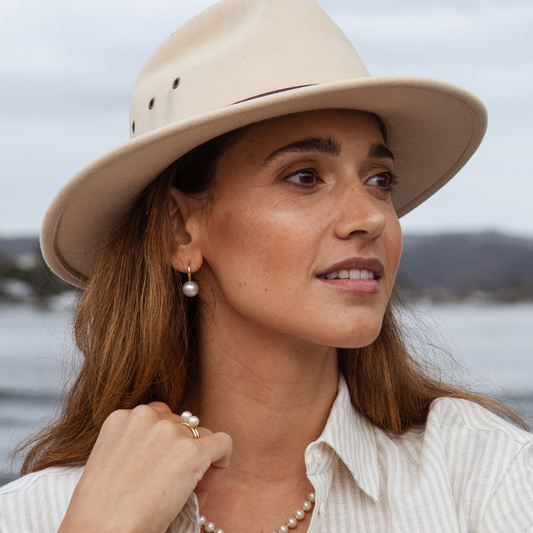
  • A woman wears her stunning Kimberley Lily Petite Diamond Pearl Ring featuring an Australian South Sea Keshi pearl set in gold with a halo of sparkling white diamonds.
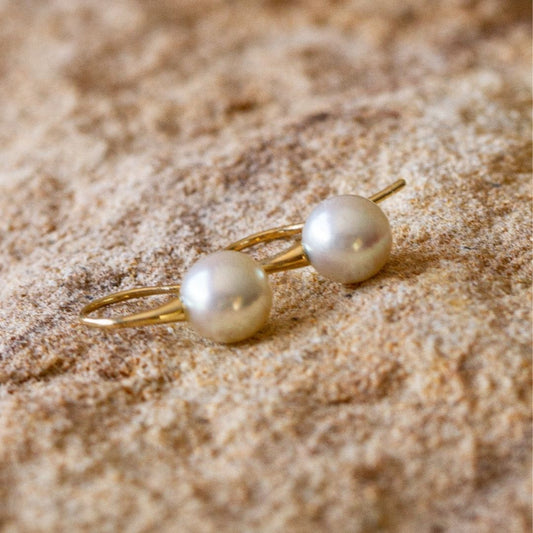
  • A woman wears her Provenance Pearl Earrings features a Cygnet Bay (WA) grown Australian South Sea pearl and two Broken Bay (NSW) grown Australian Akoya pearls set on a gold chain.
1 / 2

澳大利亚珍珠首饰精选

为何选择澳大利亚珍珠作为您的珍珠首饰?

发现 Pearls of Australia 的澳大利亚珍珠首饰的与众不同之处,这里的工艺与澳大利亚本地珍珠的道德采购相结合。发现我们在高级珠宝世界中脱颖而出的独特之处。

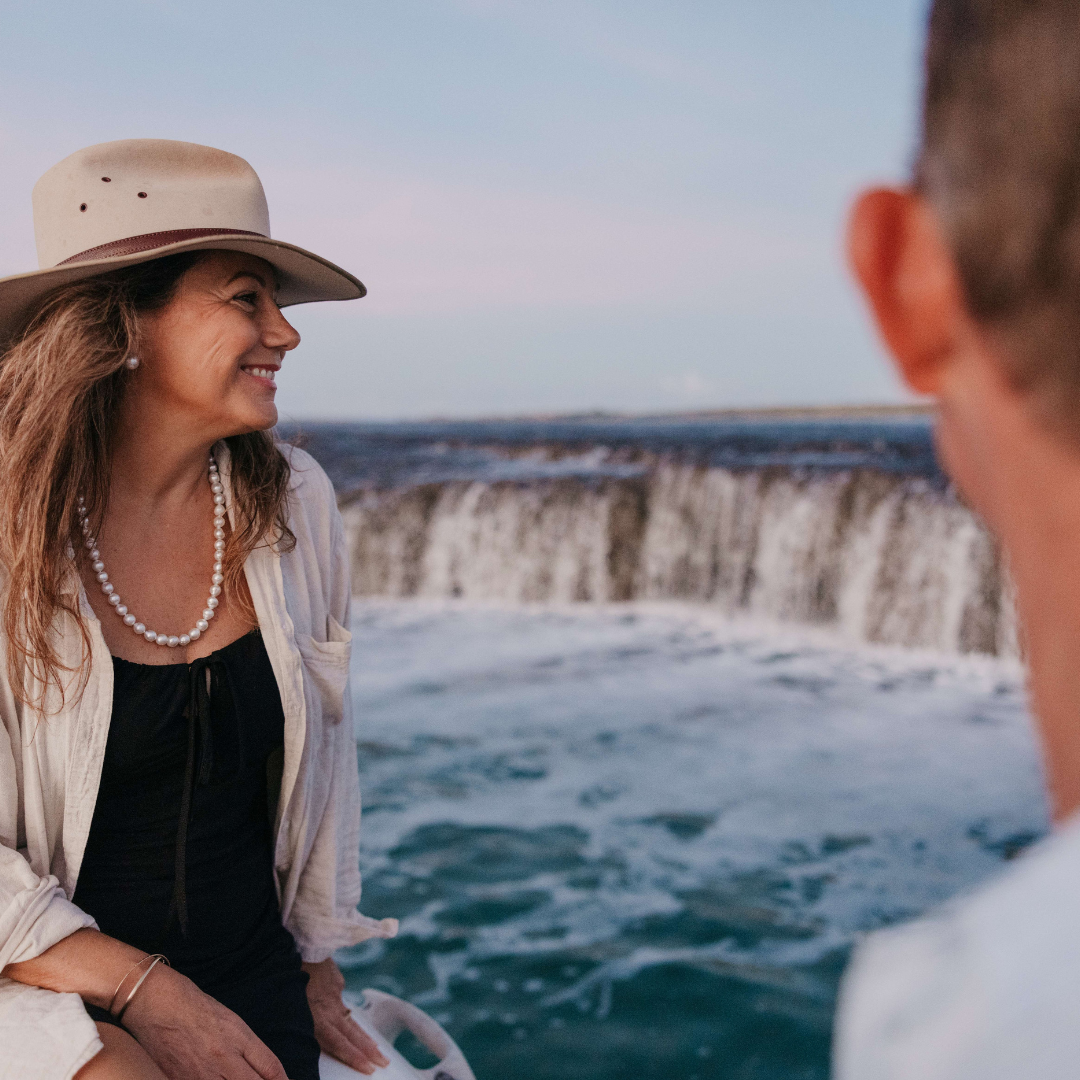
A guest smiles broadly as the looks at our Waterfall Reef during a Sea Safari tour. She wears her stunning Pearls of Australia pearl strand necklace and matching pearl stud earrings.

找到适合您的完美珍珠首饰!

在购买我们的澳大利亚珍珠饰品之前,您是否想与我们的珠宝和珍珠专家交谈?他们很乐意为您提供任何帮助,请发送电子邮件至hello@pearlsofaustralia.com.au或致电 (08) 6478 6886 联系他们。

联系我们

Natural vs Cultured Pearls FAQs

What are the main differences between natural pearls and cultured pearls?

The main difference between natural pearls and cultured pearls is how they are formed.

Natural pearls form entirely by chance in the wild when an irritant enters a pearl shell and nacre builds up overtime, coating the irritant.

Cultured pearls are also real pearls, but their formation is initiated with human intervention, when a pearl technician nucleates a pearl shell with a piece of mantle tissue and a seed.

Today, nearly all pearls sold in fine jewellery and as looks pearls are cultured pearls due to the rarity of natural pearls.

How can I identify natural pearls versus cultured pearls?

It is very difficult to identify natural pearls versus cultured pearls without professional gemological testing such as X-ray analysis.

To the eye, both natural and cultured pearls can look identical because both are formed from nacre.

The most reliable way to know is through documentation, provenance and certification from a trusted pearl specialist or directly from a pearl farm.

Pearls of Australia clearly discloses pearl type and origin with our Certificates of Authenticity so customers best understand exactly what they are purchasing.

Where can I buy authentic natural pearls online in Australia?

Authentic natural pearls are extremely rare and usually sold through specialist auction houses and antique dealers, rather than standard jewellery retailers. Most reputable Australian pearl jewellers, including Pearls of Australia, primarily sell cultured pearls.

When shopping online in Australia, be cautious of any listings referring to pearls as "natural pearls" at typical jewellery prices, as true natural pearls are extremely rare and highly valuable.

Are cultured pearls more affordable than natural pearls at Australian retailers?

Yes, cultured pearls are more affordable than cultured pearls. Our cultured Akoya and South Sea pearls are responsibly farmed, they are more available than natural pearls. Natural pearls occur in the wild, not at a pearl farm, so are rare and command very high prices.

Cultured pearls offer the beauty of real pearls with greater accessibility, and Pearls of Australia is able to provide full transparency of our pearls through Certificates of Authenticity.

What services provide pearl appraisal and authentication near me?

Pearl appraisal and authentication in Australia is typically provided by qualified gemologists and independent jewellery valuers. Look for certified valuation services and gemological laboratories rather than general resale buyers. Pearls of Australia provides full transparency with our Certificates of Authenticity, given at point of sale, which helps support future valuation and insurance processes.

It's important to note that Pearls of Australia is not a pearl valuer and cannot offer any appraisals or authentication of pearls not grown at our own pearl farms.

We recommend visiting the National Council of Jewellery Valuers for more information around local pearl valuers.

What are the best pearl strands made from cultured pearls available in Australia?

The best cultured pearl strands in Australia are typically made using Australian South Sea pearls or Akoya pearls, graded for lustre, surface quality and matched in size, shape, colour and visual harmony. High-quality strands are expertly matched with the above characteristics.

Pearls of Australia offers cultured pearl strands, with Saltwater pearls sourced from our own Australian pearl farms in Cygnet Bay (WA) and Broken Bay (NSW). Each pearl strand comes in its own luxury strand box, and is accompanied with a Certificate of Authenticity stating its grading details and origin or provenance.

How do pearl farms in Australia produce cultured pearls?

Australian pearl farms produce cultured pearls through a careful process called seeding. A trained pearl technician places a small nucleus and mantle tissue into the pearl shell. The pearl shell is then returned to the water, either at our Cygnet Bay Pearl Farm in WA or Broken Bay Pearl Farm in NSW, where the nacre coats this nucleus to hopefully form a pearl.

Pearls of Australia only sells pearls that we grow at our own pearl farms.

What's better - freshwater pearls or cultured pearls?

This is a common point of confusion, freshwater pearls are also cultured pearls.

Cultured refers to how the pearl formation begins, while freshwater refers to the species and type of pearl shell.

Most freshwater pearls are cultured within freshwater pearl shell in freshwater bodies of water.

Australian South Sea and Akoya pearls are cultured saltwater pearls within saltwater pearl shell.

Neither is better than the other, they differ in rarity, quality, size, lustre and value. Saltwater cultured pearls are typically rare and higher in value, which freshwater cultured pearls are more affordable and widely available.