Pearl Type

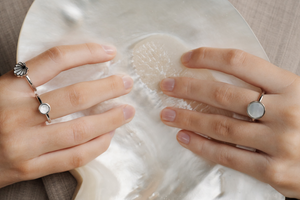
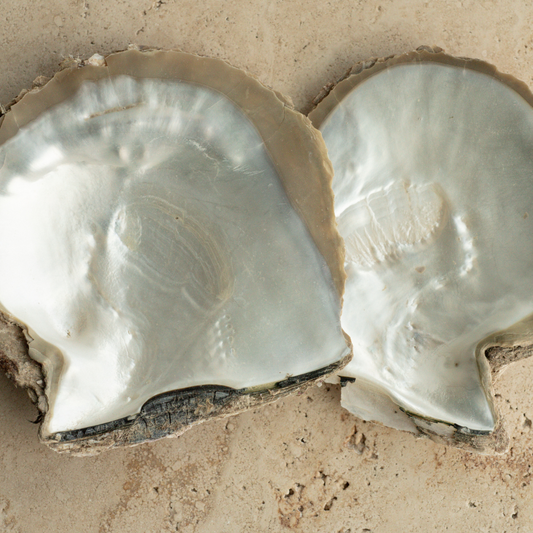
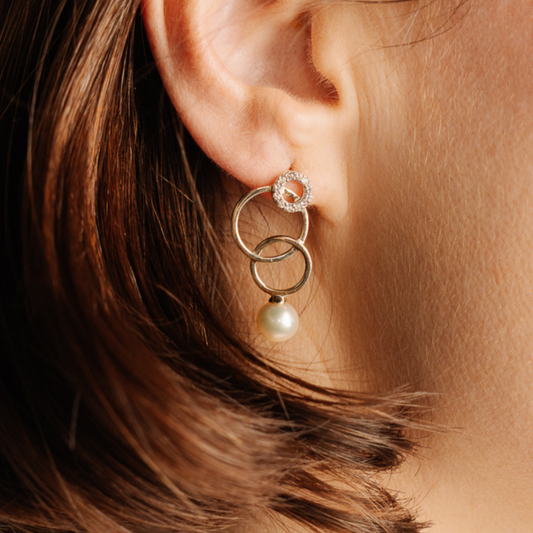
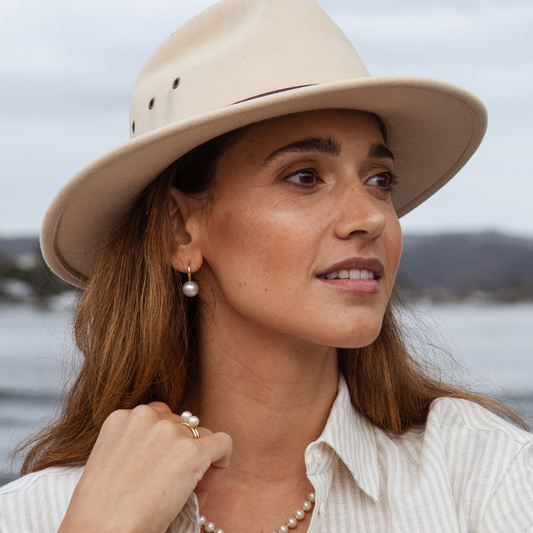
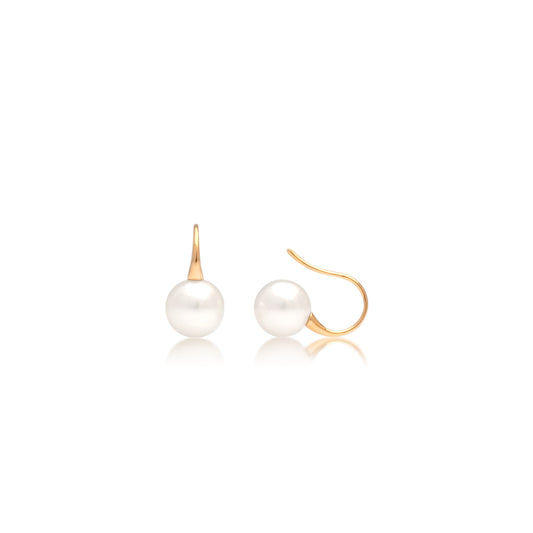
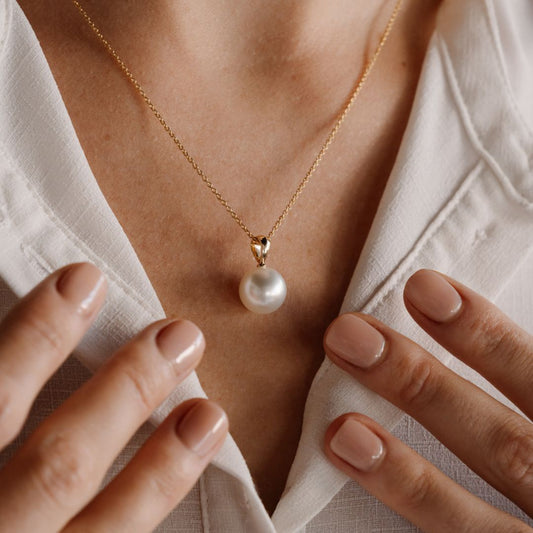
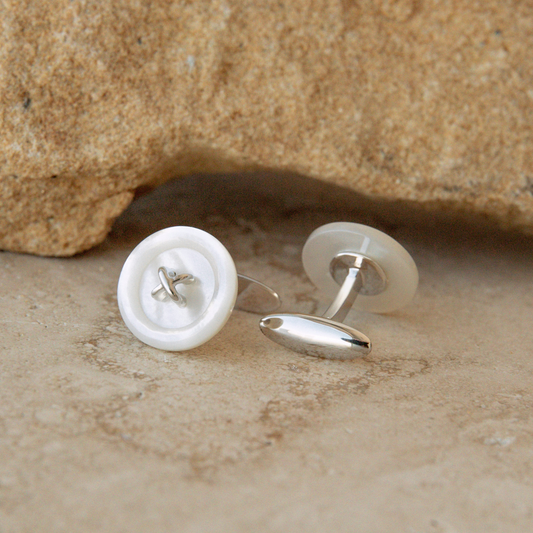
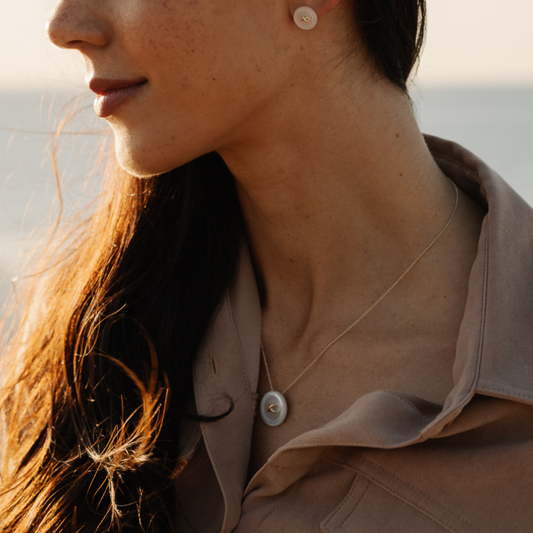
At Pearls of Australia, we offer a variety of our Australian grown pearl types, each with its own distinct beauty. This includes our Australian Akoya, South Sea, Mabe, Keshi and Mother of Pearl - each type reflecting the diversity and elegance of our offerings set in gold or sterling silver.

Collapsible content

What are different types of pearls?

Pearls come in many types and varieties, each shapes by the pearl species, water conditions, and environment in which they grow.

Understanding pearl types helps you identify the qualities that make each one unique.

The most well-known include:

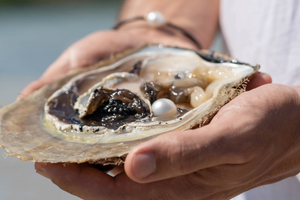
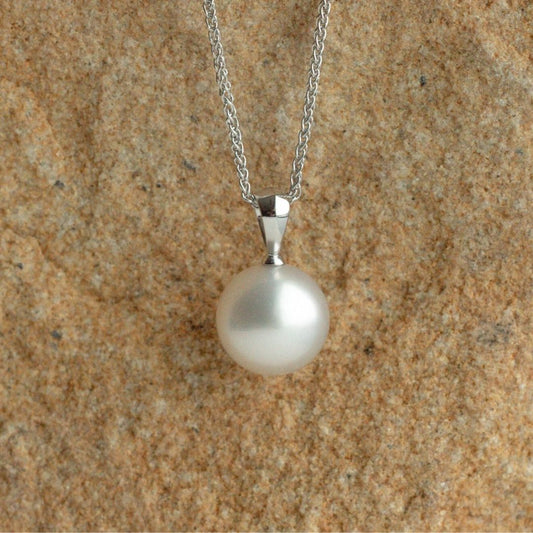
South Sea pearls: Grown in Australia (like at our Cygnet Bay Pearl Farm), Indonesia, and the Philippines, these are some of the largest and rarest pearls in the world. Their thick nacre and stunning lustre make them highly prized by collectors.

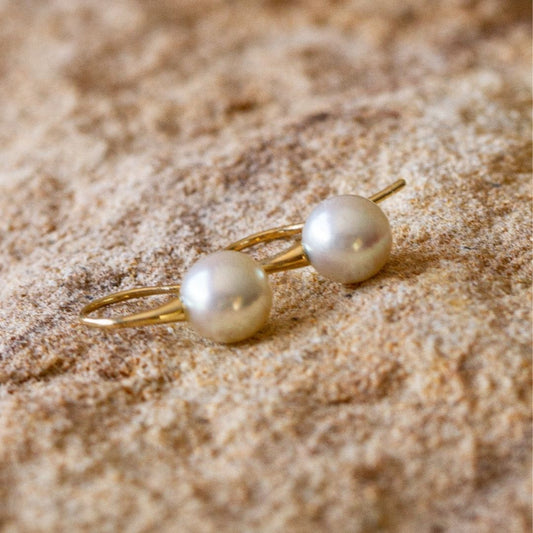
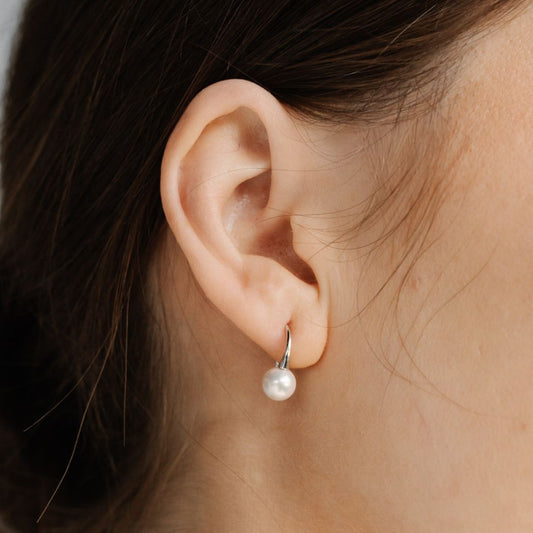
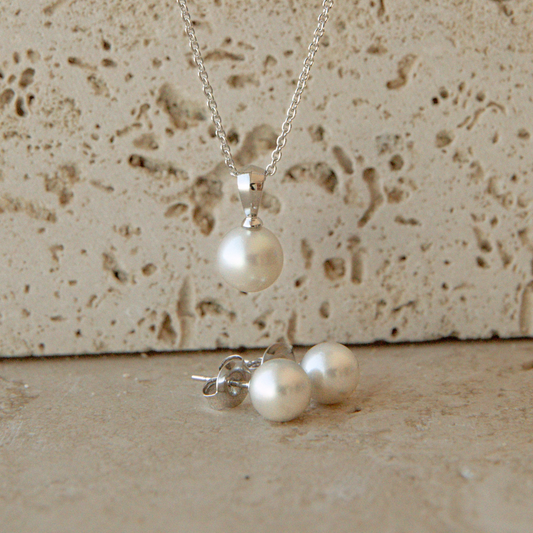
Akoya pearls: Cultivated mainly in Japan and Australia, like our Broken Bay Pearl Farm, Akoya pearls are known for their mirror-like lustre and variety of colours. They're the classic choice for Akoya pearl stud earrings and other refined akoya pearl jewellery.

Tahitian pearls: Produce by the Black Lip Pearl Oyster, these pearl display natural dark hues ranging from charcoal to peacock green.

Freshwater pearls: Grown primarily in lakes and rivers, they come in a wide range of shapes and colours. When comparing the difference between Akoya and freshwater pearls, Akoya pearls are saltwater pearls with typically better lustre, while freshwater pearls provide variety and affordability.

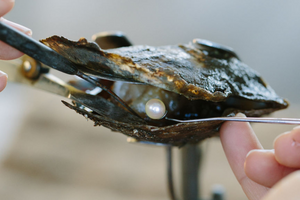
Keshi pearls: Formed with no nucleus, as a by-product of the cultured pearl farming process, keshi pearls re known for their organic shapes and beautiful nacre. They are considered one of the more rare types of pearls.

Mabe pearls: A type of half-pearl grown against the shell interior, ideal for bold rings and earrings.

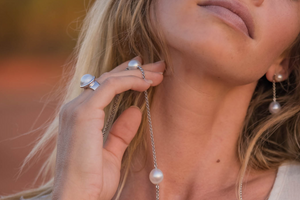
Our Provenance and Eternal collections feature both our Australian South Sea and Akoya pearls side by side, so you can see the difference between our precious gems set in unique designs.

Each pearl type has its own story and value. To learn more about pearls, visit our Pearls of Wisdom article.

Understanding Pearl Colours and Varieties

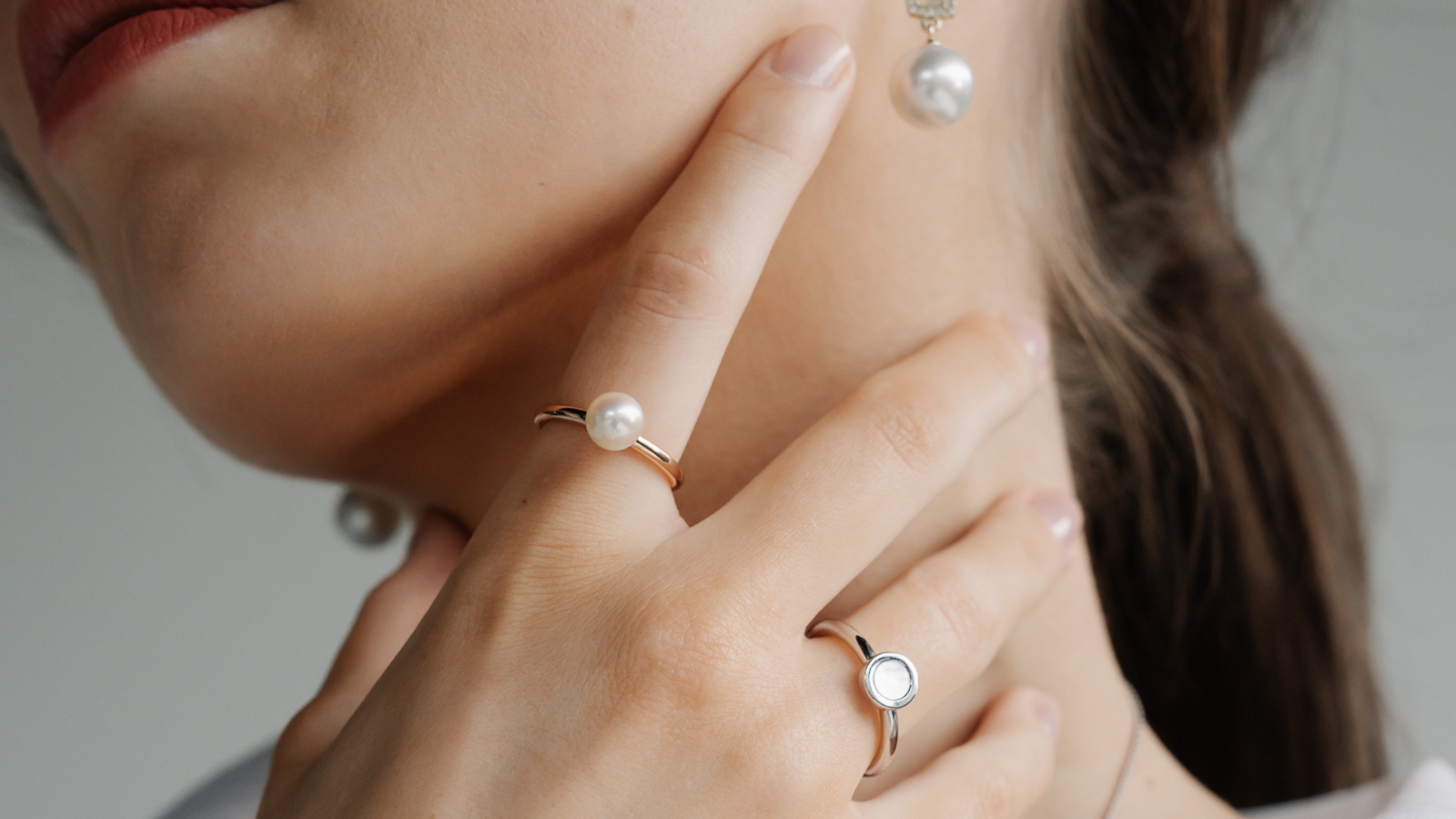
Pearls are naturally formed gemstones, and their colour and variety are influenced by the species, growing environment and water conditions. Understanding pearl colours and varieties helps explain why certain pearls pair so beautifully with specific metals, particularly white gold.

Australian-grown pearls are celebrated for their natural lustre and nuanced tones, ranging from soft white and silver to more warm, golden hues. Cooler pearl tones are especially enhanced by white gold and sterling silver settings, which reflect light without overwhelming the pearl's surface. Different pearl varieties also have distinct characteristics:

Australian South Sea pearls are known for their larger size, stunning lustre and subtle colour variations.

Akoya pearls are prized for their variety of colours, from blue, to silver, golden to pink, with high lustre and a smaller size.

When selecting jewellery, consider how the pearl colour interact with the metal. To explore how pearl colour, shape, and material selection influence jewellery design, visit our How to Choose Your Pearl Guide, where we share the different types, sizes, shapes, colours and grades of our pearls.

How do South Sea pearls differ from Akoya pearls?

South Sea pearls:

  • Among the largest cultured pearls worldwide
  • Grown within the Pinctada maxima pearl shell
  • Thick nacre, giving them a soft, elegant glow
  • Cultivated at our Cygnet Bay Pearl Farm in Western Australia
  • Rarer and often more valuable due to their longer cultivation times
  • Ideal for statement pieces and heirloom jewellery

Akoya pearls:

In short, South Sea pearls embody larger size and whiter tones while Akoya pearls offer a variety of colours and intense lustre. Both are saltwater pearls, but the species and environments to cultivate these pearls are different.