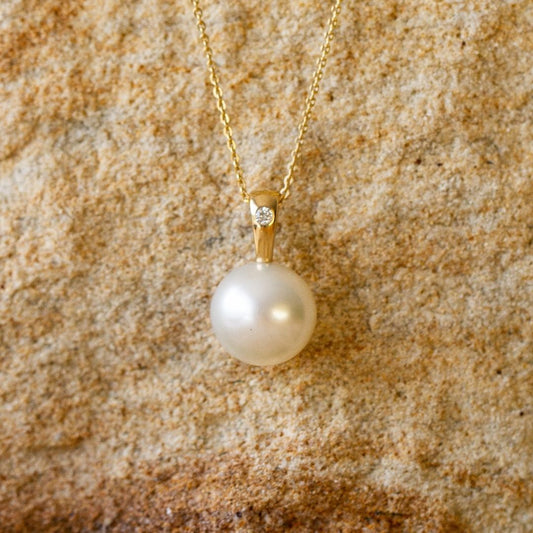
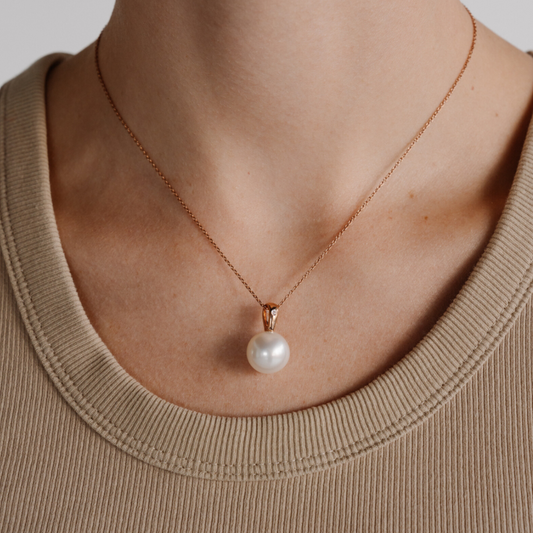
Australian South Sea Pearls

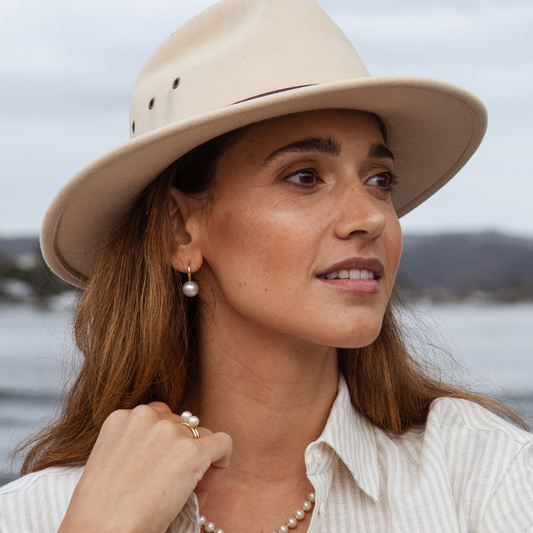
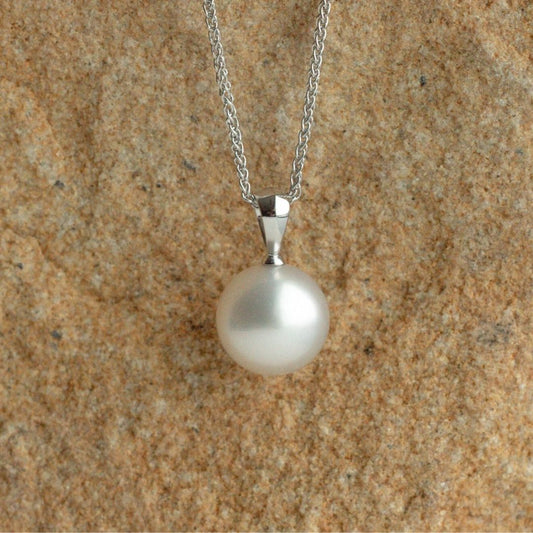
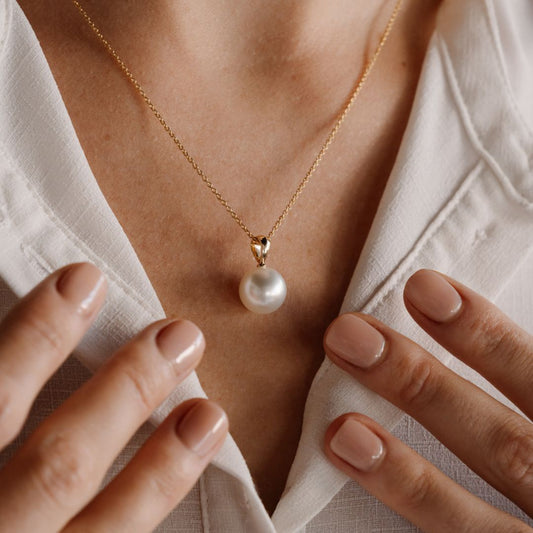
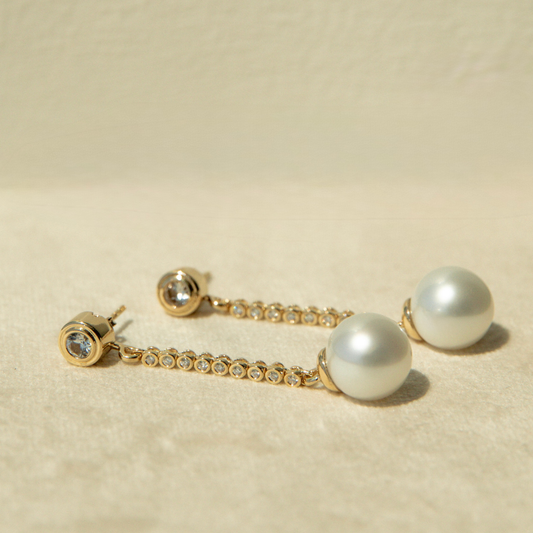
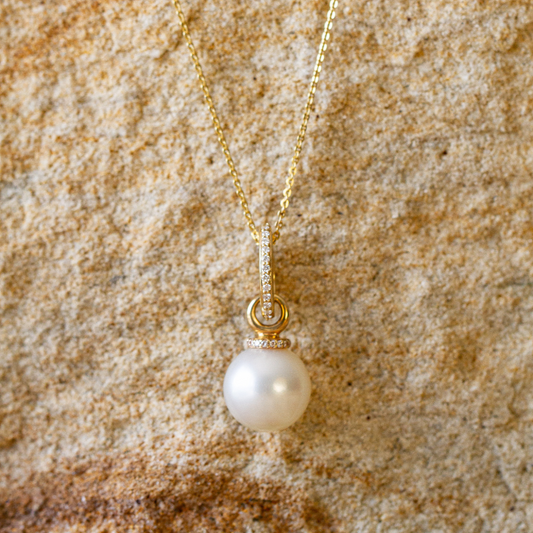
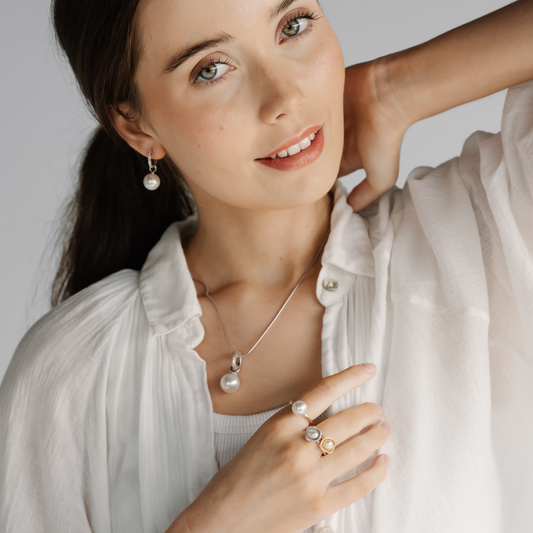
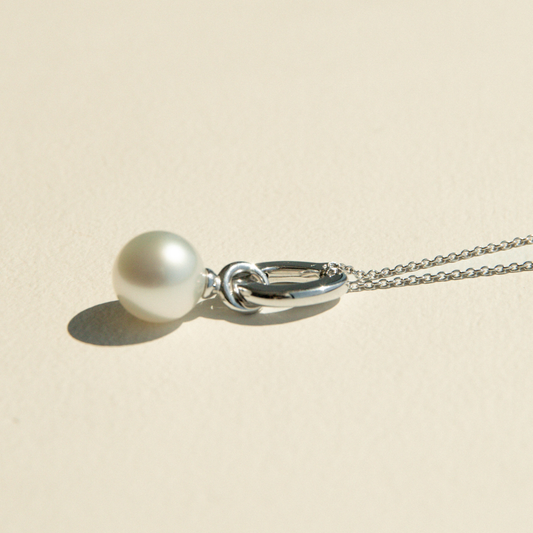
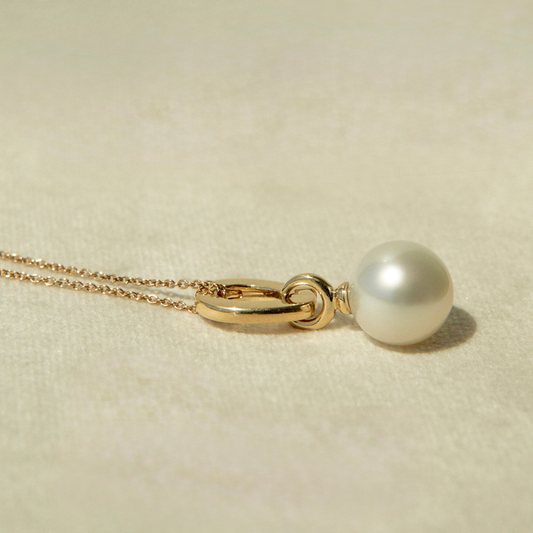
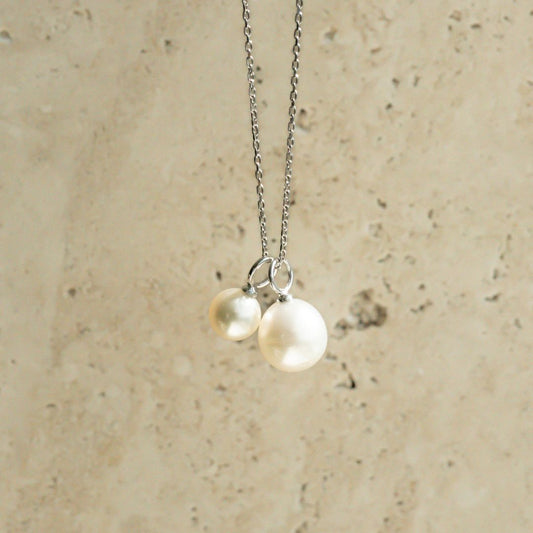
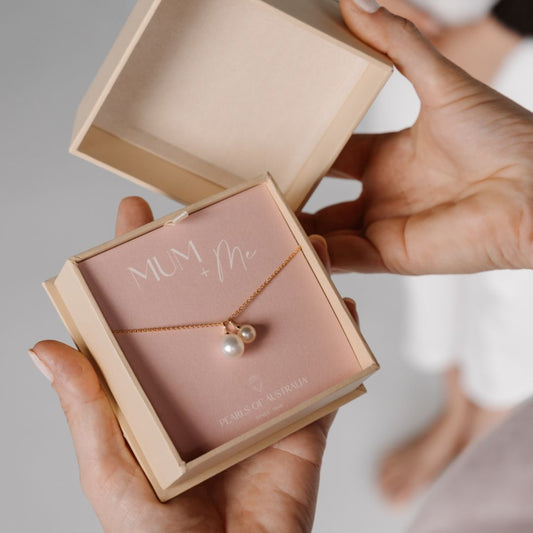
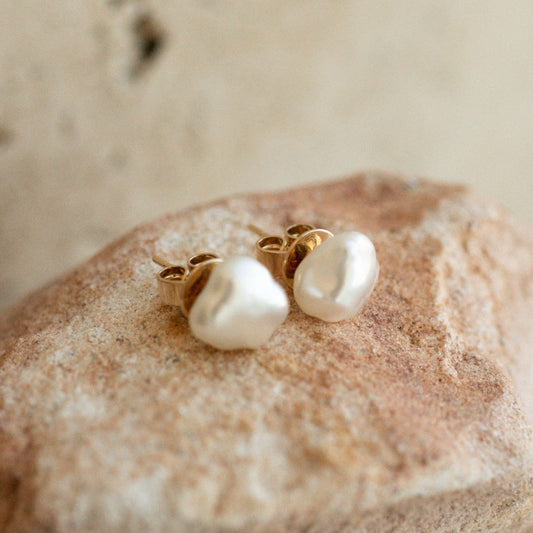
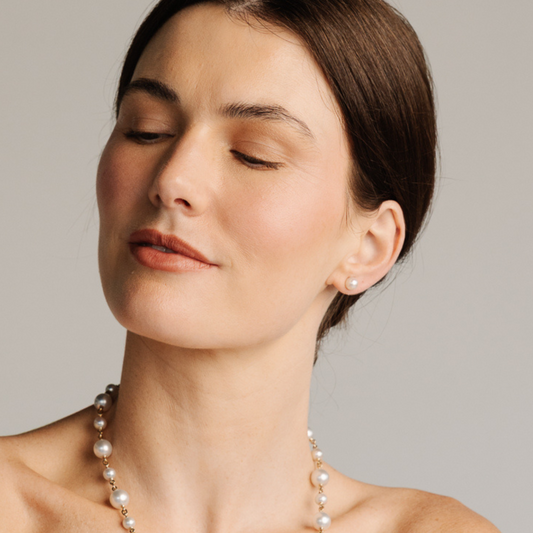
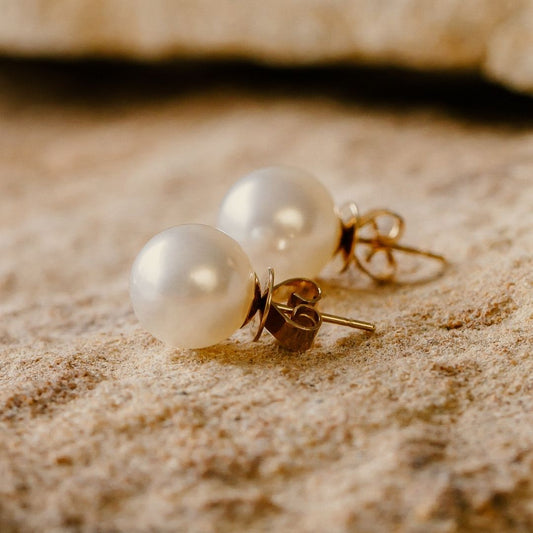
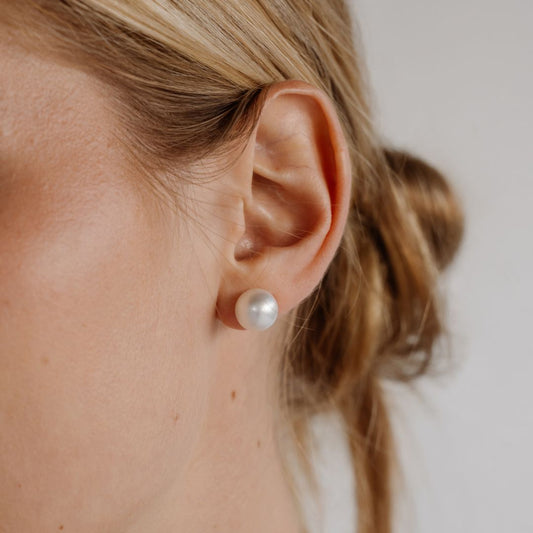
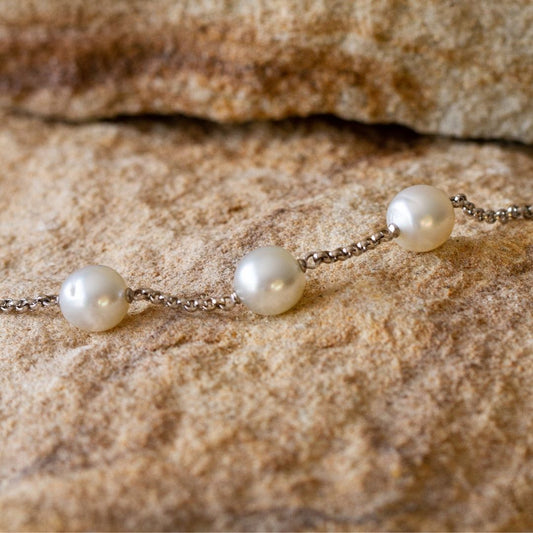
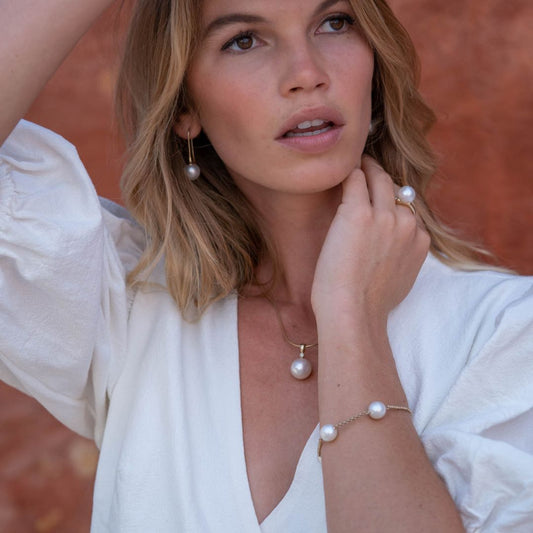
Our Australian South Sea pearls come from our Cygnet Bay Pearl Farm just north of Broome. With pearls featured in the purest of white, this range boasts elegant jewellery pieces in rings, bracelets and necklaces.

Collapsible content

What are South Sea pearls?

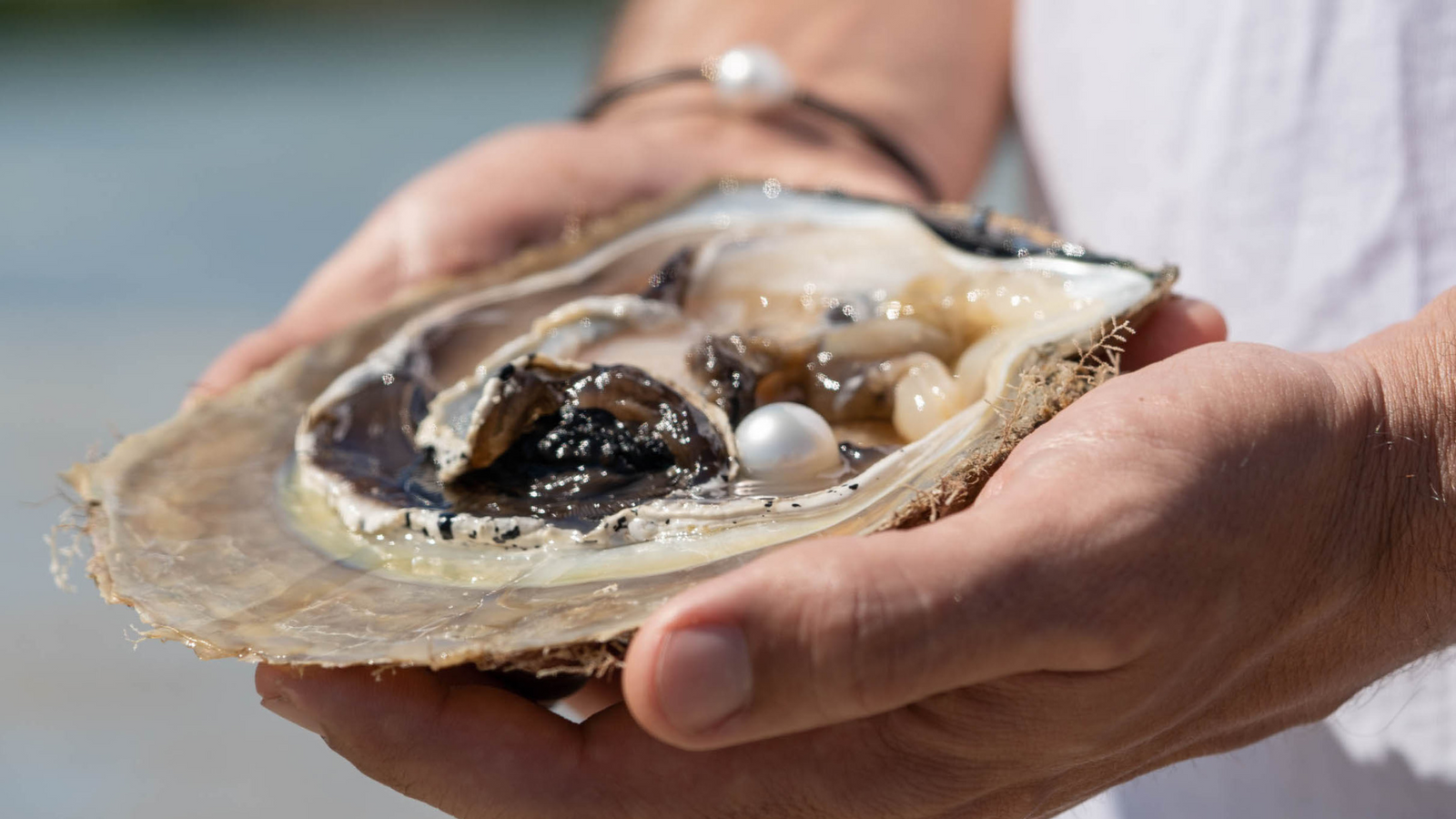
South Sea pearls are large, high-quality pearls that are grown in the warm, tropical waters of the South Pacific, primarily in Australia, Indonesia, and the Philippines. They are known for their size, lustre, and unique colours, which range from white and cream to golden and even deep shades of black.

Our Australian South Sea pearls are carefully cultivated just north of Broome, at our Cygnet Bay Pearl Farm in Western Australia.

What makes South Sea pearls unique?

South Sea pearls are prized for their large size and unique colours, as well as their high luster and smooth surface. They are also known for their rarity, as they are more difficult to cultivate than other types of pearls.

South Sea pearls are typically larger than other types of pearls, with an average size of 10-15mm, although some can grow as large as 20mm.

In 2004 Cygnet Bay Pearl Farm harvested the world's largest fine quality round pearl - which is now on display at our Broome Showroom!

What colors do South Sea pearls come in?

South Sea pearls come in a variety of colours, including white, cream, champagne, gold, and black. The most common colours are white and cream, but the rarest and most valuable South Sea pearls are those with a pink overtone.

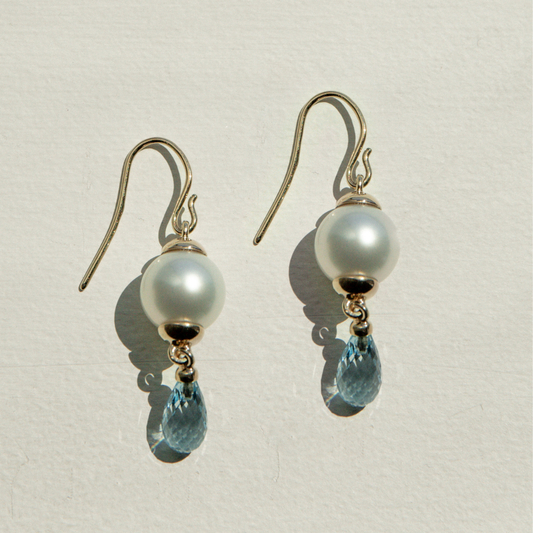
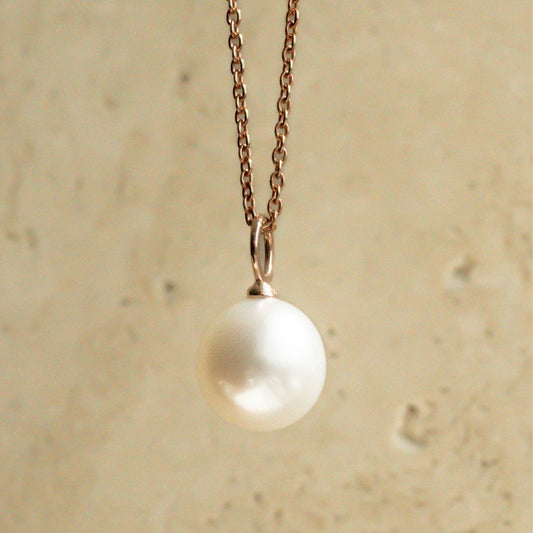
Our Australian South Sea pearls are typically white or cream in colour. Learn more about our pearls and how to choose your pearl here.

Where Can I Buy Authentic Australian South Sea Pearls Online?

If you're looking to buy authentic Australian South Sea pearls online, it's important to choose a specialist pearl retailer that offers verified provenance, grading transparency and direct sourcing. Australian South Sea pearls are among the rarest and most valuable cultured pearls worldwide, produced in the pristine waters of northern Australia. They are known for their size, lustre and stunning colour range.

Trusted online pearl specialists such as Pearls of Australia source directly from their own Australian pearl farms and provide detailed product information, including pearl type, origin, grading characteristics, and materials used in jewellery settings. Buying from a farm-connected brand reduces the risk of imitation or misrepresented pearls and ensures you are purchasing ocean-grown gems rather than synthetic substitutes.

When buying Australian South Sea pearls online, look for:

Pearls of Australia offers Australia South Sea and Akoya pearls, with a strong focus on traceability and transparent pearl grading to help customers buy genuine pearls online with confidence.

South Sea Pearl Grading Standards Explained

South Sea pearl grading standards are used to evaluate quality and value based on a combination of visible and measurable characteristics. While there is no single universal grading system across the entire pearl industry, reputable pearl specialists assess pearls using consistent criteria.

Australian South Sea pearls are typically graded across five key factors:

  1. Lustre: The sharpness of light reflection on the pearl's surface. High lustre pearls appear bright and mirror-like.
  2. Surface Quality: The number and visibility of marks or blemishes. Cleaner surfaces are rarer and more valuable, though minor blemishes are normal in genuine pearls.
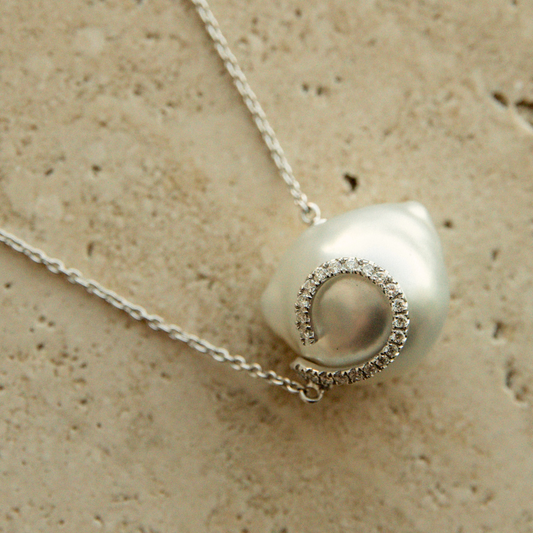
  3. Shape: South Sea pearls range from perfectly round to drop, button, baroque, circle, etc. Round pearls are the rarest, but baroque shapes are increasingly valued in contemporary jewellery.
  4. Size: Australian South Sea pearls are known for their large size, commonly ranging from 9mm to over 16mm. Larger pearls with high lustre, subtle overtones and no surface blemishes are especially rare.
  5. Colour: Natural colours include white, silver and gold, often with subtle overtones like pink, cream or silver-blue. These colours are formed in the pearl shell and at Pearls of Australia we do not dye or chemically alter our pearls.

Leading pearl retailers apply structured grading methods and provide detailed product descriptions so customers understand exactly what they are purchasing and from where.