Pearl Species
We proudly cultivate two unique pearl species at Pearls of Australia.
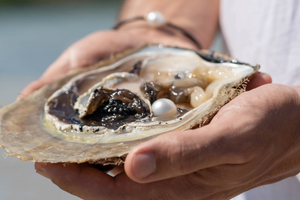
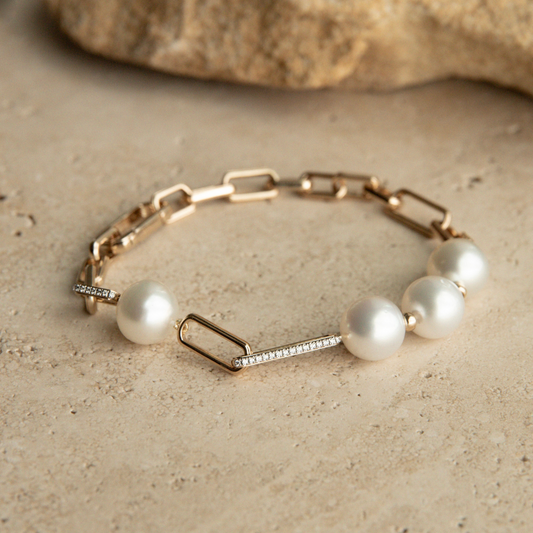
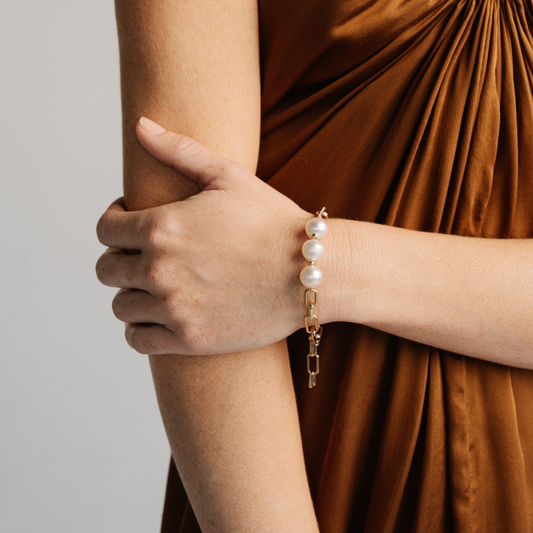
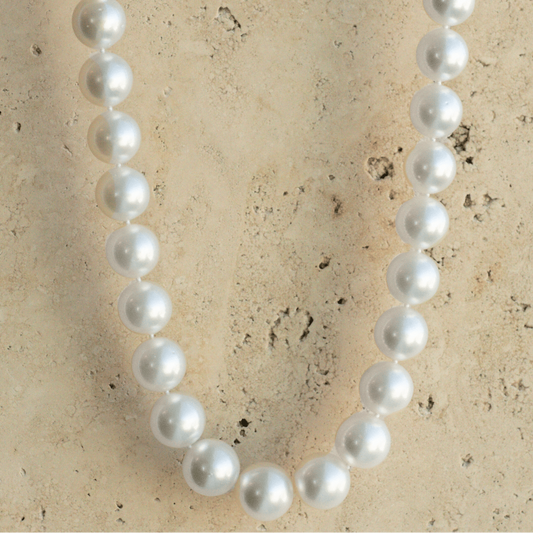
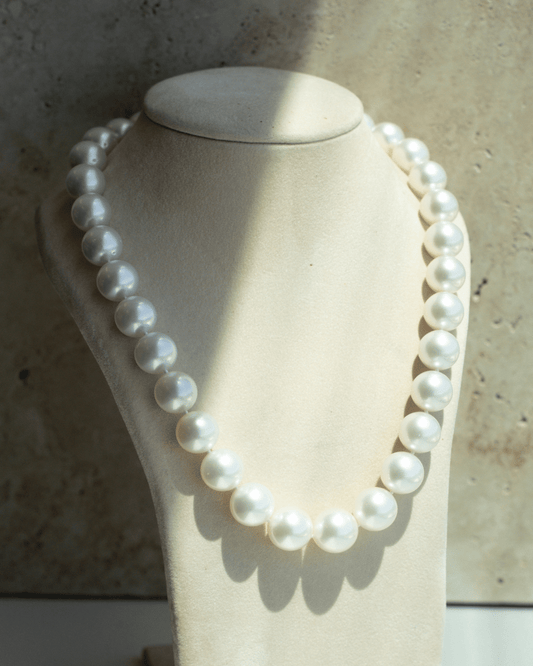
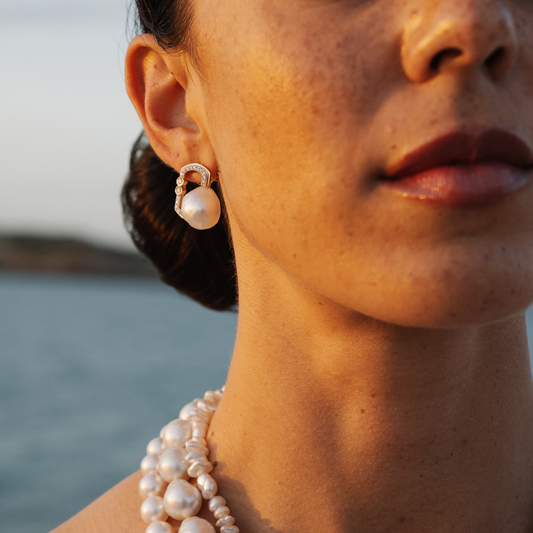
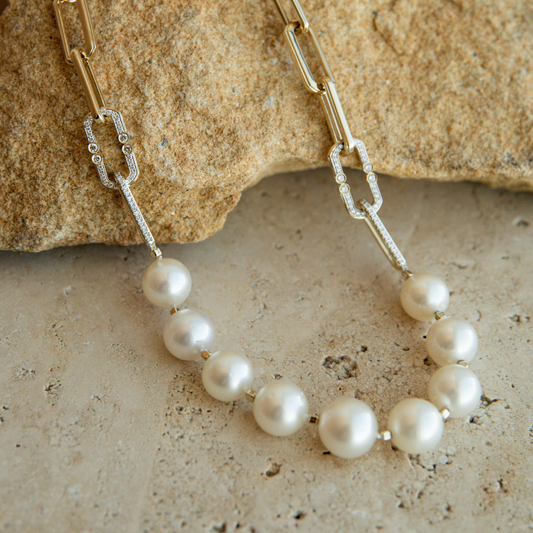
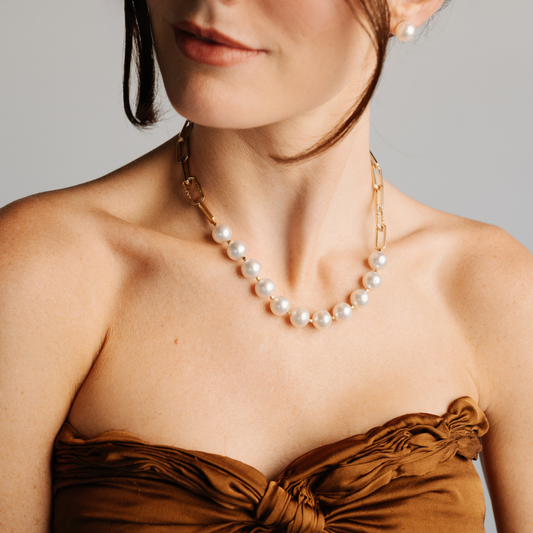
Pinctada maxima - Grown in the Kimberley waters of our Cygnet Bay Pearl Farm, this pearl shell produces large, lustrous Australian South Sea pearls, renowned for their size and satin-like surface.
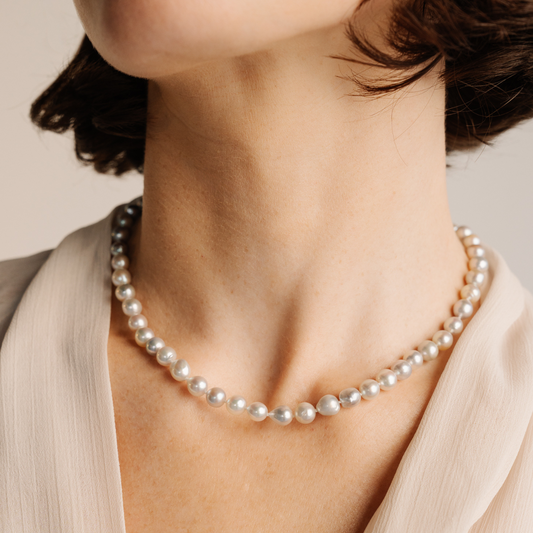
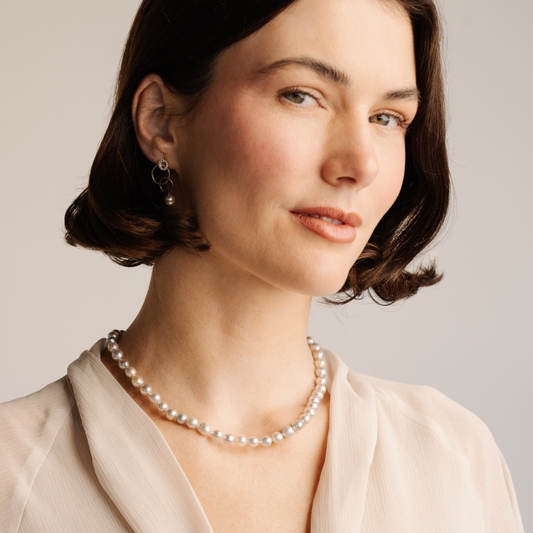
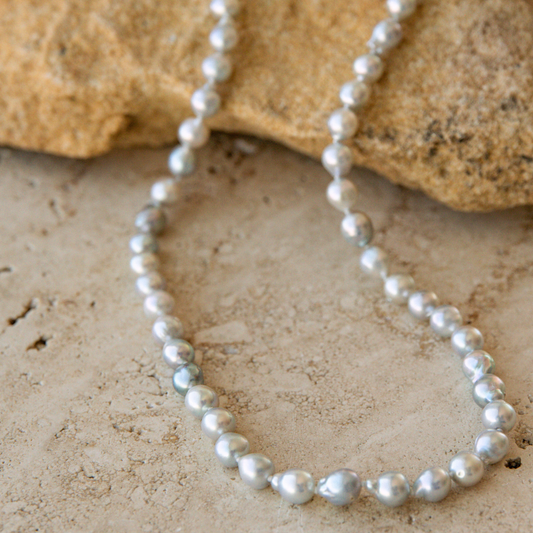
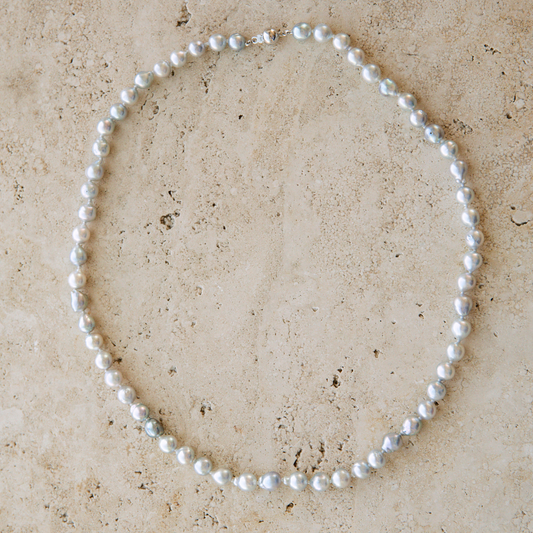
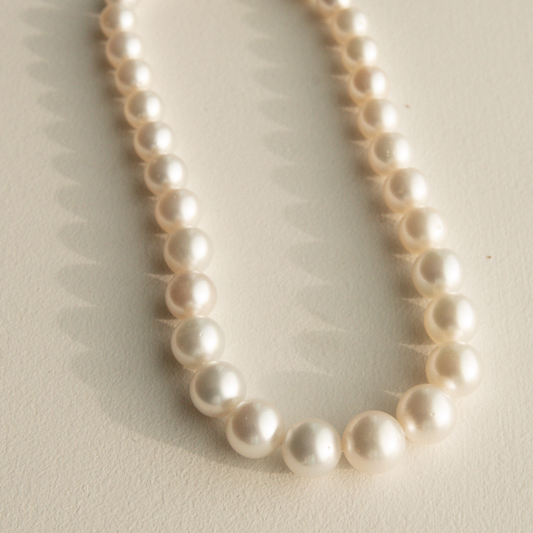
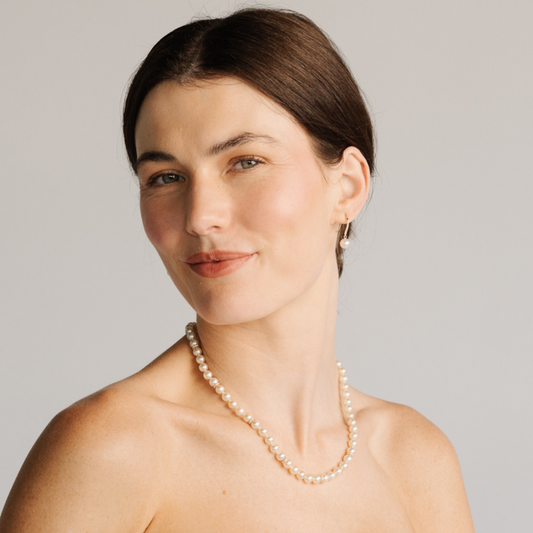
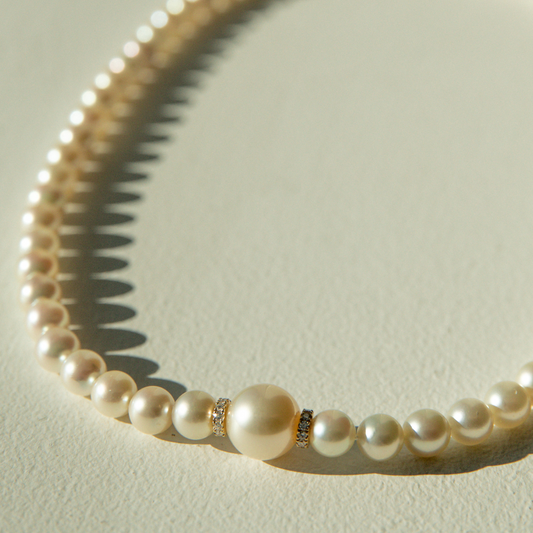
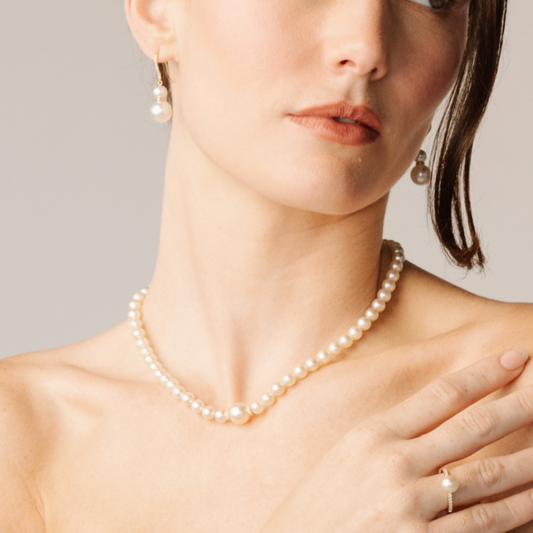
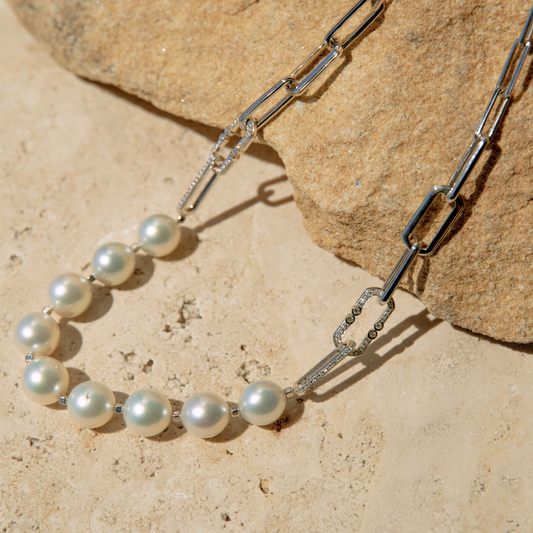
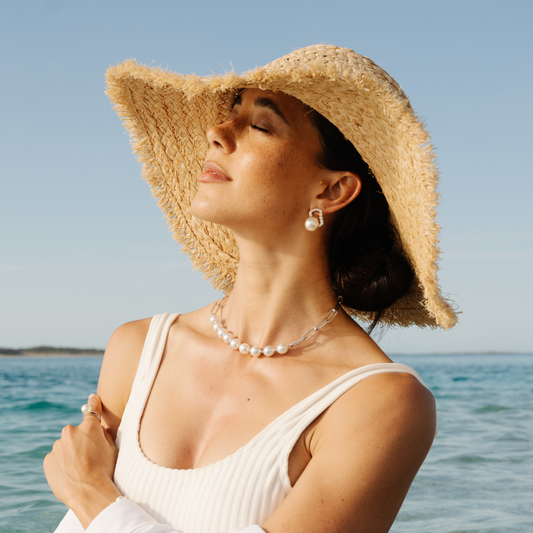
Pinctada fucata - Grown in the Hawkesbury River of our Broken Bay Pearl Farm, this species yields the exquisite Australian Akoya pearl, valued for their shape, amazing lustre and array of colours.
-
Round South Sea Pearl Strand
Regular price $180,000.00 AUDRegular priceUnit price / perSale price $180,000.00 AUD -
South Sea Pearl Strand Necklace
Regular price $28,900.00 AUDRegular priceUnit price / perSale price $28,900.00 AUD -
South Sea Pearl Strand Necklace
Regular price $10,900.00 AUDRegular priceUnit price / perSale price $10,900.00 AUD -
Near Round South Sea Pearl Strand Necklace
Regular price $15,980.00 AUDRegular priceUnit price / perSale price $15,980.00 AUD -
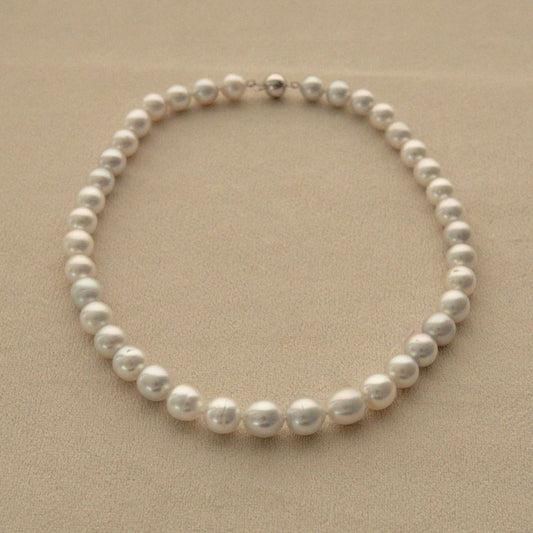
South Sea Semi Drop Pearl Strand Necklace
Regular price $5,775.00 AUDRegular priceUnit price / perSale price $5,775.00 AUDSold out -
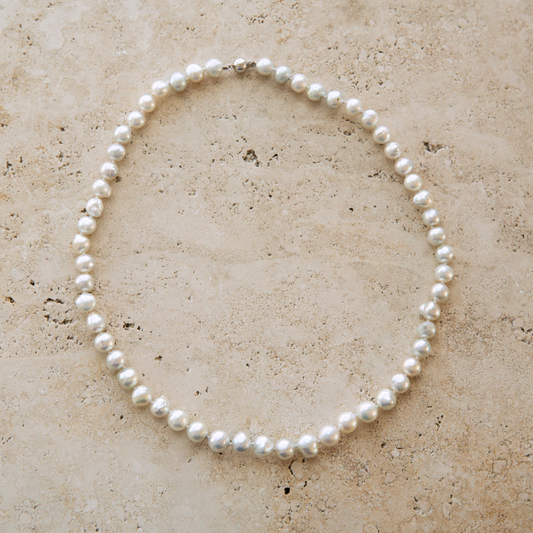
South Sea Pearl Strand Necklace
Regular price $6,420.00 AUDRegular priceUnit price / perSale price $6,420.00 AUD -
Sold outBaroque Akoya Pearl Strand Necklace
Regular price $4,980.00 AUDRegular priceUnit price / perSale price $4,980.00 AUDSold out -
Sold outBaroque Akoya Pearl Strand Necklace
Regular price $4,820.00 AUDRegular priceUnit price / perSale price $4,820.00 AUDSold out -
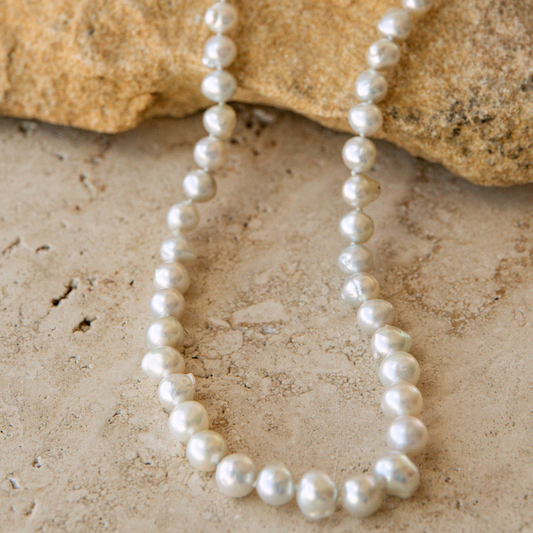
Baroque Akoya Pearl Strand Necklace
Regular price $14,420.00 AUDRegular priceUnit price / perSale price $14,420.00 AUD -
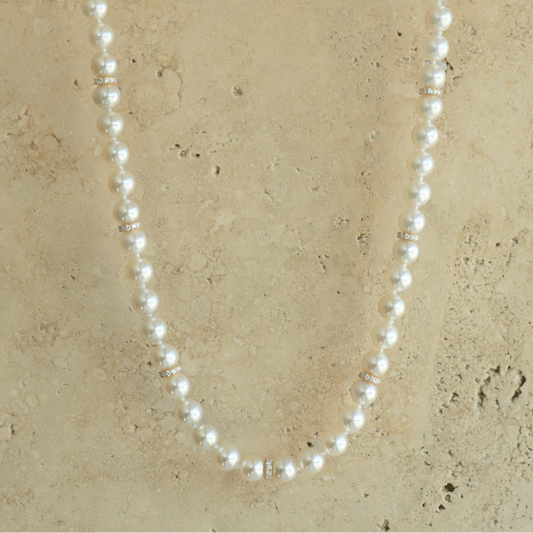
Diamond Rondel & Akoya Pearl Strand Necklace
Regular price $10,640.00 AUDRegular priceUnit price / perSale price $10,640.00 AUD -
Eternal South Sea & Akoya Pearl Strand Necklace
Regular price $8,980.00 AUDRegular priceUnit price / perSale price $8,980.00 AUDSold out -
Sold outSubmerge Pearl & Diamond Bracelet
Regular price $7,250.00 AUDRegular priceUnit price / perSale price $7,250.00 AUDSold out -
Submerge South Sea Pearl & Diamond Earrings
Regular price $6,990.00 AUDRegular priceUnit price / perSale price $6,990.00 AUD -
Submerge South Sea Pearl & Diamond Earrings
Regular price $7,120.00 AUDRegular priceUnit price / perSale price $7,120.00 AUD -
Submerge Pearl & Diamond Necklace
Regular price $13,920.00 AUDRegular priceUnit price / perSale price $13,920.00 AUD -
Submerge Pearl & Diamond Necklace
Regular price $13,290.00 AUDRegular priceUnit price / perSale price $13,290.00 AUD
Collapsible content
How are pearls cultured?
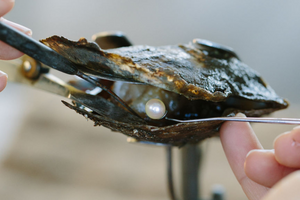
Pearls are cultured by inserting a small piece of mantle tissue from a donor oyster into the mantle tissue of a host oyster. The host oyster is then placed in a farm or lagoon, where it is carefully tended until the pearl has grown to maturity, which can take up to two years. The resulting pearl is then harvested and sorted based on its size, shape, colour, and quality. The process of culturing Saltwater pearls is more complex and time-consuming than other types of pearls, which contributes to their higher value.
Are saltwater pearls sustainable and ethical?
The cultivation of our saltwater pearls is considered to be sustainable and ethical. Our pearl farms are operated in harmony with the environment, using eco-friendly farming practices and contributing to the local economy.
It is important to choose saltwater pearl jewellery from reputable sources that adhere to ethical and environmental standards, and to avoid purchasing pearls that have been obtained through illegal or unethical means. The best way to do this is to always ask where your pearl has come from, and if it comes with a Certificate of Authenticity.
Every pearl jewellery piece from Pearls of Australia comes with a Certificate of Authenticity ensuring its provenance, whether it's an Australian South Sea pearl from our Cygnet Bay Pearl Farm or an Akoya pearl from our Broken Bay Pearl Farm.
How can you tell if a pearl is high quality?
There are several factors to consider when evaluating the quality of a pearl, including its lustre, surface quality, size, shape, and colour. High quality pearls will have a bright, reflective lustre and few surface imperfections. They will also be relatively uniform in size and shape, with a round or near-round shape being the most highly valued.
What's the difference between Pinctada maxima and Pinctada fucata pearls?
Pinctada maxima is the larger of the two pearl shell species, grown at Cygnet Bay Pearl Farm, and produces the large and rare Australian South Sea pearl. Pincatada fucata is smaller, produces the Australian Akoya pearl and are grown at our Broken Bay Pearl Farm. Together, the two pearl species give you access to our range of Saltwater Australian-grown pearls.
How many pearl species does Pearls of Australia grow?
We cultivate two pearl species: Pinctada maxima, grown at our Cygnet Bay Pearl Farm which produces the Australian South Sea pearl and the Pinctada fucata, grown at our Broken Bay Pearl Farm and produces the Australian Akoya pearl.
Growing both pearl species across two separate pearl farms lets us offer the full spectrum of Australian Saltwater pearls, all single-origin and farm direct.
Comparing pearl varieties: Keshi, Mabe & Mother of Pearl
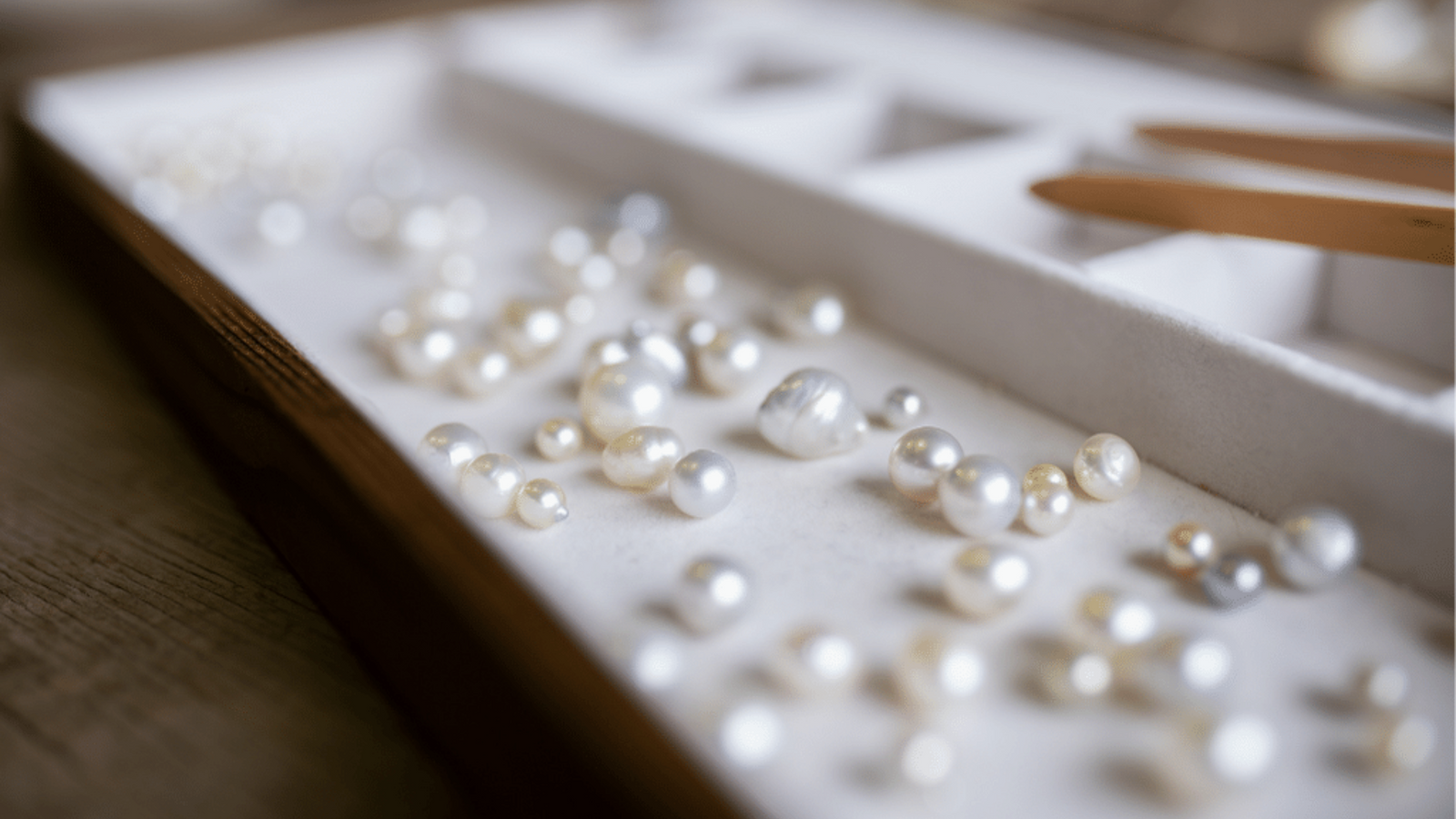
Beyond traditional round and drop shaped Australian South Sea and Akoya pearls, peral shell can produce a number of distinctive natural formations and materials that offer completely different textures, shapes and jewellery possibilities.
Keshi pearls are unnucleated pearls formed entirely from nature. Without a round nucleus determining their shape, Keshi pearls develop organically, resulting in highly individual forms and beautiful lustre. Because they are composed of 100% nacre, no two Keshi pearls are ever the same.
Mabe pearls, also known as blister pearls, are cultivated against the inner shell of the pearl shell. This produces their hemispherical shape and flatter side, making Mabe pearls particularly well suited to earrings, rings, and pendants that sit comfortably against the wearer.
Mother of Pearl refers to the nacre lining of the pearl shell itself. Carefully cut and polished, Mother of Pearl can be used for jewellery, cufflinks, inlays and other accessories, showcasing the same naturally iridescent material responsible for forming a pearl.
Together, Keshi pearls, Mabe pearls and Mother of Pearl demonstrate just how diverse pearl-producing pearl species can be beyond the classic round pearl.
How to choose the right pearl species for your style
Understanding the different Australian pearl species and types of pearl can help you choose a piece that suits your style.
Australian South Sea pearls are generally larger, often beginning around 10mm and reaching 15mm or more. Their stunning lustre and cale make them particularly suited to statement jewellery and gifting for milestone moments.
Australian Akoya pearls are typically smaller, around 6-9mm, with a bright lustre. Their refined proportions make them ideal for classic pearl studs, delicate pendants and jewellery designed for everyday wear.
Keshi pearls offer something more organic and individual, with free-form shapes that lend themselves to contemporary designs.
Mabe pearls provide a larger visual presence while sitting relatively flush against the body, making them an accessible way to wear a statement pearl.
There is no single "best" pearl type, each offers a different balance of size, shape, lustre and personality. Explore our Choosing Your Pearl guide to learn more about selecting the right pearl for you.