What's the Difference Between Gold Vermeil, Gold Plated and Gold-Filled Jewellery?
$0.00 AUD
Understanding the difference between gold plated vs gold filled vs vermeil is essential when choosing long-lasting, high-quality jewellery. While these terms sound similar, the thickness of the gold, the base metal, and the manufacturing process vary. We’ll talk about the differences between all three to help you choose the right type based on your needs and preferences.
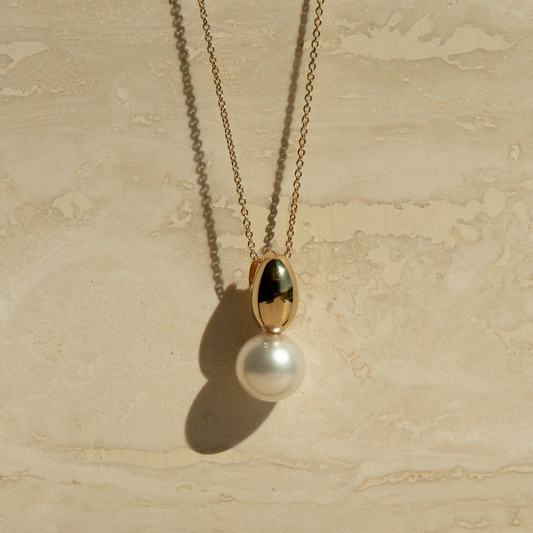
Gold vermeil (pronouned ver-may) is a premium option in the jewellery world. It uses a solid 925 sterling silver base, coated with a thick layer of gold. By definition, the gold must be at least 2.5 microns thick and 10ct or higher, making it more durable than standard gold plating. The gold vermeil jewellery at Pearls of Australia is 3 microns thick, 0.5 microns thicker than industry standard and 10ct yellow gold.
Gold vermeil is considered good quality jewellery when it meets proper vermeil standards. This means it has a thick layer of gold plated over a solid sterling silver base. It offers a more durable and premium finish than standard gold plated jewellery, along with the benefit of a precious core rather than a base metal or brass.
While it doesn’t last as long as solid gold jewellery, high-quality gold vermeil can maintain its appearance with proper care. It’s a popular choice for fine jewellery designs where you want the look and feel of gold at a more accessible price point.
Gold vermeil offers an excellent balance of luxury, durability, and value.
Gold plated jewellery uses a thinner layer of gold (often less than 0.5 microns) over a base metal such as brass or copper. Because the coating is thin, it can wear away quickly in comparison to gold vermeil. For shoppers comparing the difference between gold plated and gold vermeil, the biggest distinction is the thickness of the gold layer and the quality of the base metal.
Gold-filled jewellery contains a much thicker, mechanically bonded layer of gold over brass. It is extremely durable. Gold-filled often lasts longer because the gold layer can be up to 100 times thicker than regular plating. However, gold vermeil offers the advantage of sterling silver as the base metal, the best option for hypoallergenic jewellery.
To keep your vermeil pieces looking their best, follow a few simple care steps. Many people ask us, “Can gold vermeil get wet?”, “Does gold vermeil wear off?”, and proper care makes all the difference.
We recommend the following:
When asking if gold vermeil wears off, the answer is: Over many years, it can, but with proper care it can extend its lifespan and shine.
Gold vermeil is a high-quality, long lasting and hypoallergenic alternative to gold plated or gold-filled jewellery, bridging the gap between affordability and luxury.
Discover the difference of Pearls of Australia’s gold vermeil jewellery, where craftmanship meets ethical sourcing of our locally grown, Australian pearls. Uncover our unique aspects that set us apart in the world of fine jewellery.
Prefer to talk to one of our Jewellery and Pearl experts before purchasing one of our gold vermeil pieces? They would love to help you in any way, please contact them either by sending an email to hello@pearlsofaustralia.com.au or call (08) 6478 6886.
Gold plated jewellery typically lasts 6 months to 2 years depending on:
With daily wear, standard gold plating will gradually fade as the thin gold layer wears away. Higher micron plating, like in gold vermeil, and careful handling can extend its lifespan.
Gold vermeil generally lasts longer than standard gold plating because it uses a thicker layer of gold over sterling silver. With proper care, gold vermeil jewellery can maintain its finish for several years.
If gold vermeil gets wet occasionally, it is usually fine, but repeated water exposure can gradually wear down the gold layer. Water, soap, salt and chlorine all accelerate fading.
After contact with water, dry the jewellery thoroughly with a soft cloth to help preserve the finish of the piece. Read our product care guide to learn more about caring for your gold vermeil jewellery piece.
It is not recommended to shower with gold vermeil jewellery. Soap, shampoo, and minerals in water can dull the finish and shorten the life of the gold layer. Removing gold vermeil jewellery before showering significantly extends its appearance and durability.
The highest quality of gold plating is define by several factors:
- Thicker gold layer (micron thickness)
- Solid sterling silver base
- Higher carat plating
- Strong bonding process
Gold vermeil is considered a premium plating category because it requires a thick gold layer over sterling silver rather than a base metal like nickel or brass.
Gold vermeil is often suitable for sensitive skin because the base metal is sterling silver, not brass or nickel alloys. However, sensitivity varies from person to person. If the gold layer wears through over time, exposed silver may still be tolerated by most wearers.
For highly sensitive skin, solid gold usually remains the safest option.
When gold vermeil wears off, the underlying sterling silver base becomes visible. The piece does not lose its structure; only the gold surface layer fades. Many vermeil pieces can be professionally replated to restore their appearance.
Gold itself does not tarnish, but gold plated jewellery can appear tarnished when the thin gold layer wears away and the base metal reacts with air and moisture. This is common with brass based jewellery.
Gold vermeil is a thick gold layer over sterling silver.
Yellow gold jewellery is solid gold alloy throughout, with no thick layer of gold over the top as it is all gold.
High-quality gold vermeil jewellery in Australia is typically sold by specialist fine jewellery brands that disclose plating thickness and base metals. Look for retailers that can clearly state the gold micron thickness (over 2.5 microns), sterling silver base and care instructions.
Pearls of Australia offers fine jewellery crafted in precious, quality metals and focuses on durability.
With daily wear, standard gold plated jewellery can last from 3 months to 2 years, it depends on the person who is wearing it. Rings and bracelets wear faster due to friction, while arrings and pendants usually last longer because they experience less contact.
Join our mailing list for regular sales, upcoming releases and insights into the world of positive pearling and ocean conservation